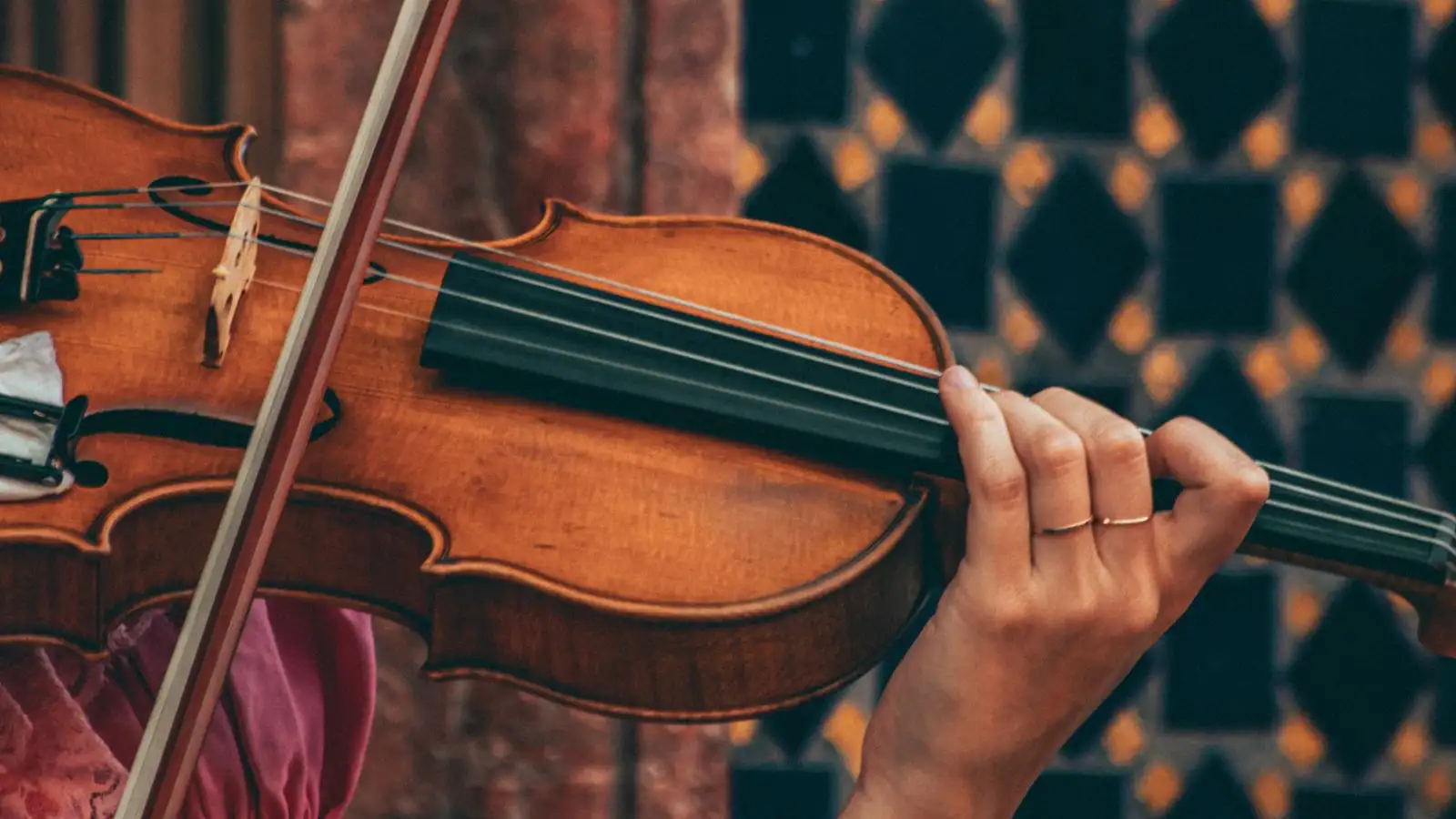
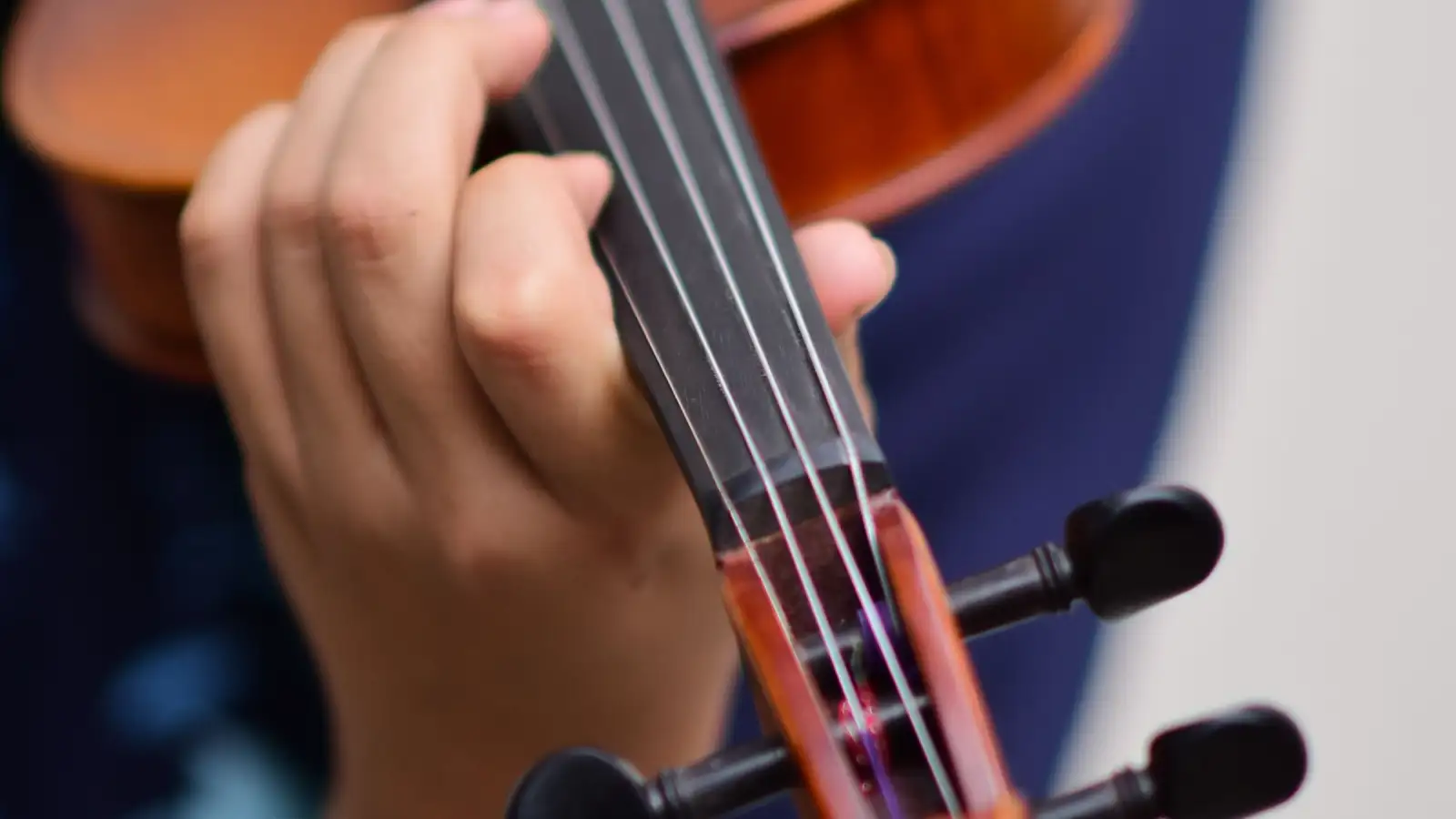
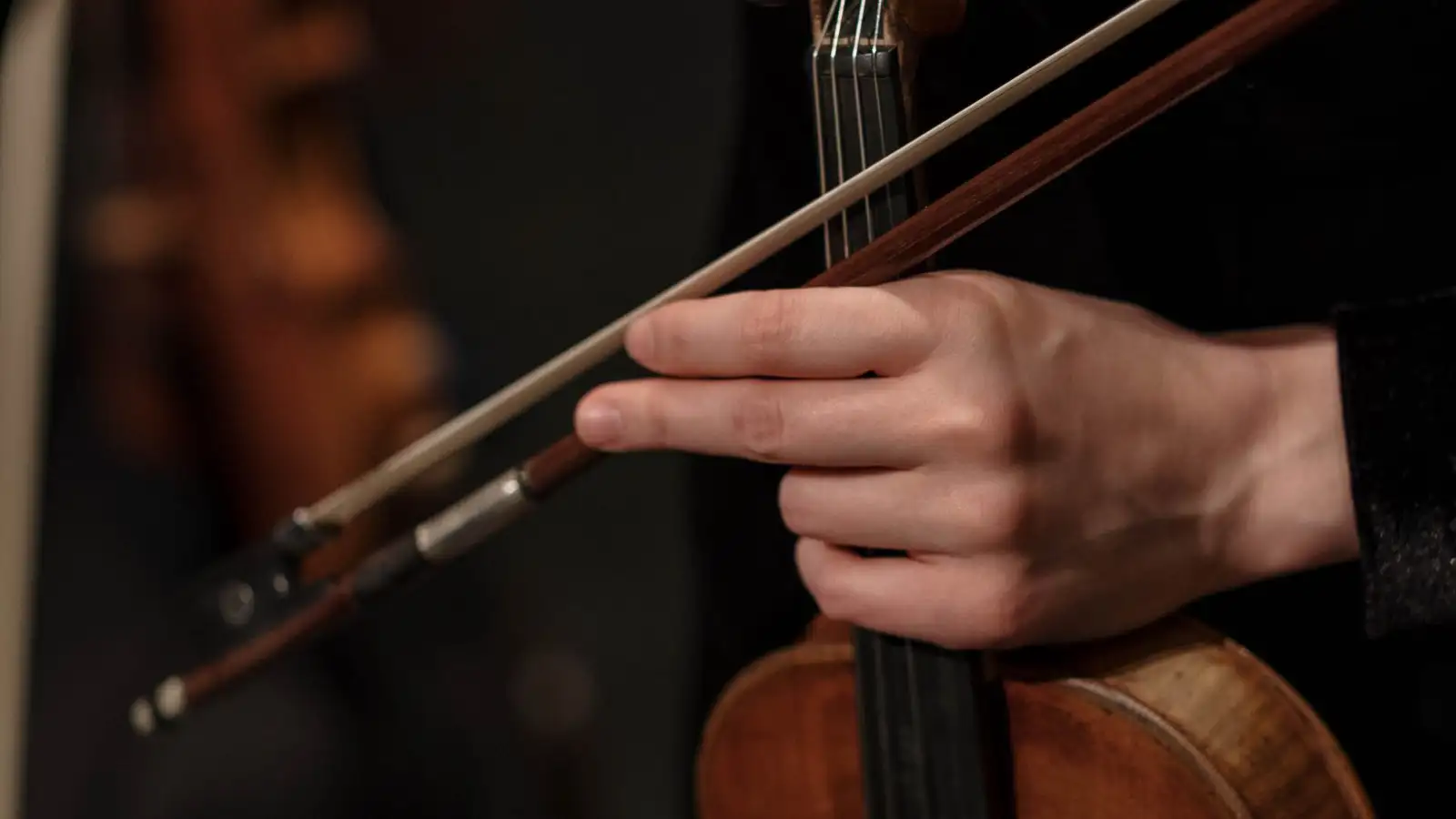
The check happens before the bow touches the string, and it takes about twenty seconds. Thumb bent on the leather grip. Pinky resting on top of the stick, curved rather than locked. Fingers settled against the frog. Wrist loose enough that it could move if it wanted to. Then the bow goes down, the child plays, and the parent stays quiet until the song is over. Correcting a bow hold while the bow is moving is the fastest way to make a hand grab; a short check at the start does the job that hovering only pretends to do.
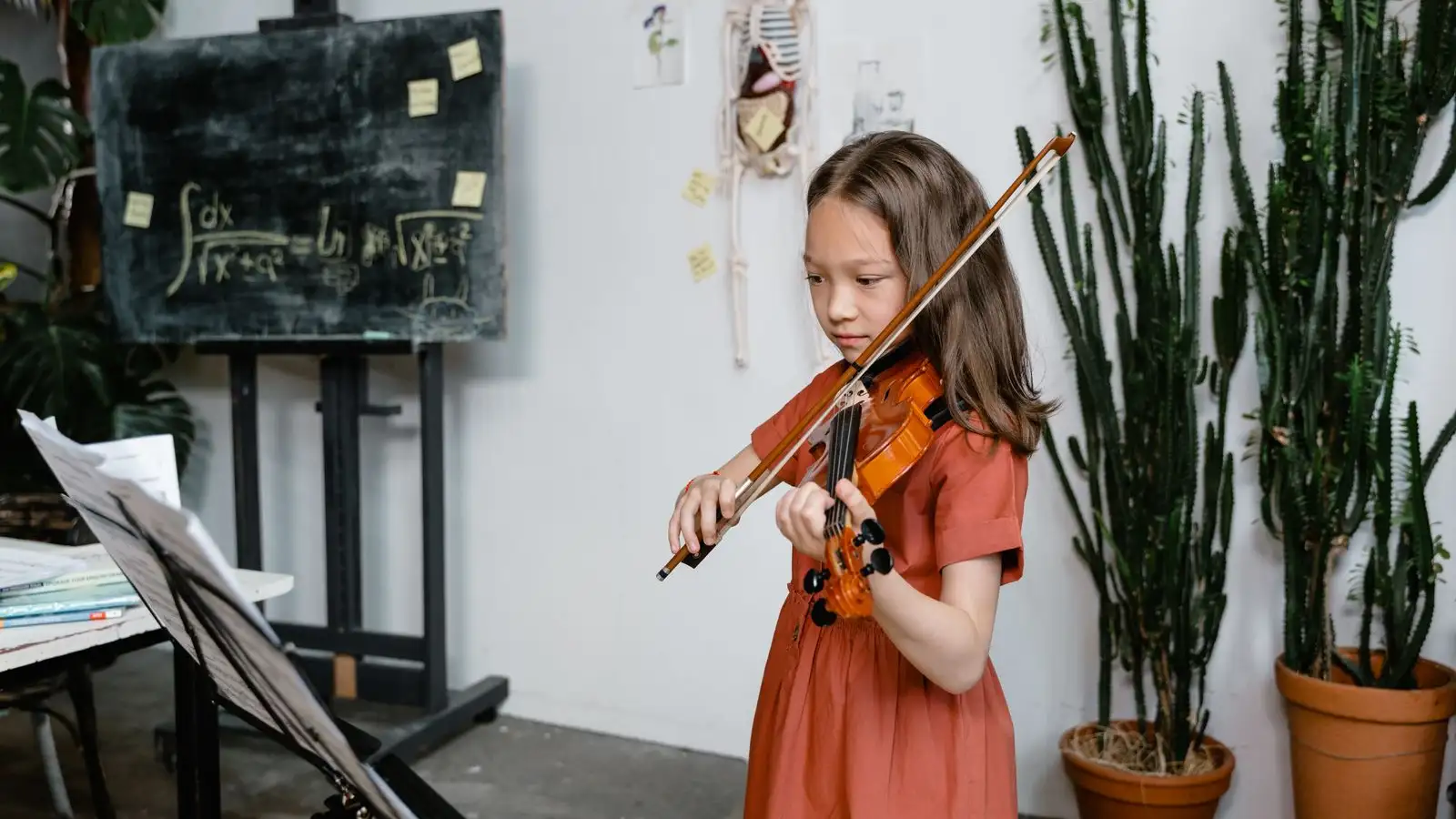
I learned that the expensive way, over six weeks of sitting at the end of the dining table, narrating my kid's right hand while they played. "Pinky. Pinky's sliding. Pinky." By the fourth bar the pinky was rigid as a tent peg and the tone had gone from clean to something like a comb dragged across a table edge. I thought I was being attentive. I was the reason the hand was tight.
Why the hand clamps the moment you speak
A bow hold isn't a set of positions you hit and freeze. It's a balance. The bow's weight hangs in the hand, the hand hangs off the arm, and the whole thing works when nothing in that chain is gripping. Anything that arrives as an alarm, a voice from the side, a correction mid-stroke, gets answered by squeezing. The fingers close, the wrist stiffens, and now the bow is being held up instead of carried.
That's the part I had backwards for weeks. I assumed a tense hand caused a bad hold, so I corrected the hold to fix the tension. The order was reversed. My commentary was creating the tension, and the tension was wrecking the hold.
There's a second cost that shows up later. When corrections come from the side at random moments, the child starts playing while braced for the next interruption. They stop listening to the sound and start watching your face. Practice turns into a performance review.
The check, before the first note
This is what I do now, standing at the end of the table while the violin is still tucked and the bow is still in my hand. For a young beginner that part matters: they learn the shape of the hold while someone else carries the weight. So I hold the bow out horizontally, they lay their hand on it, and I let them feel the shape before I hand the weight over. Once they have it, the bow is theirs and my hands are off.
Then I look at four things. Not fix. Look.
- The thumb: bent, resting on the leather grip, not locked straight and not poking through the fingers on the other side.
- The pinky: on top of the stick, curved. A straight pinky is the first thing to go when a hand tightens.
- The fingers: settled against the frog, not climbing up the stick toward the winding.
- The wrist: soft. If it's frozen, the whole arm is working too hard and the bow starts traveling in arcs instead of lines.
Look, don't reach in
When you see a collapsed pinky, the instinct is to reach over and lift it. I did that for a while, and it produced a child who waited for me to arrange their hand before every repetition. The hold only becomes theirs when their own hand puts it there.
So the rule in our house is that I describe and they adjust. "Check your pinky," not my fingers on their fingers. "Where's your thumb?" instead of moving it. It's slower for about a week, and then it's faster forever, because they stop outsourcing the check to me.
One more thing about the list: don't expect it to match the picture in a book. A child's hand is smaller, and the fingers will spread along the stick differently than an adult's. Sometimes one finger sits further back. Sometimes the pinky rests closer to the frog than you would have guessed. That's a hand, not an error. If nothing is gripping and nothing is locked, you're fine.
Use the teacher's words, not your own
This is where home practice quietly goes sideways. The teacher says one thing at the lesson. The parent, trying to be helpful, invents a slightly different version at home. Now the child has two dialects for the same idea and has to translate between them six days a week.
So I ask at the end of each lesson what to watch for and what words to use, and then at home I use those words even when I'd phrase it differently. Same correction, same language, delivered by a different person. That's the job. Diagnosing the hold belongs to the teacher. Copying the diagnosis faithfully, every day, belongs to me.
The sound usually tells you first
You will often hear a bow hold problem before you see it. A scratchy, gritty tone that wasn't there last week. A bow that keeps drifting toward the fingerboard, so the sound thins out and the bow feels like it's skating. A tone that sounds crushed and small, which usually means the weight of the arm has been replaced by pressure from the hand.
When I hear one of those, my first move is to say nothing and listen for a few more bars. Sometimes the child hears it too and fixes it in the next phrase, and that correction is worth ten of mine. If it's still there when the song ends, I ask a question instead of giving an instruction. "How did that one sound to you?" Nine times out of ten they name the exact problem, and then they reset the hold themselves, with their own hand, and we play it again.
When to stop the song anyway
There's a version of "don't hover" that turns into "never say anything," and that isn't useful either. If the bow is on the fingerboard for an entire song, the child is practicing the wrong thing over and over, and repetition engraves whatever it repeats.
The difference is where the interruption lands. A correction in the middle of a bow stroke, while the bow is moving and they're tracking notes, is what tightens the hand. Stopping between repetitions is something else entirely. If the song is clearly off the rails, I ask them to stop, we both take a breath, they check the four points themselves, and we start over. Pause, reset, restart. No commentary in the middle of anything.
Also worth knowing: the hold isn't something you nail once. What worked well last year may need a fresh look now, and it will keep shifting. If your eyes tell you something has changed, bring it to the next lesson rather than rebuilding it yourself at the kitchen table.
The other night my kid played a whole song with the pinky curved the entire time and nobody mentioned it. I noticed the way you notice the refrigerator has stopped humming. Then I reset the metronome and we did it again, which is really the only thing I'm there for: keeping the room steady, keeping the repetitions coming, and staying out of the hand.