The Simplest Way to Hear an Electric Violin Without an Amp
Skip the performance rig. Check your violin's output, add one headphone amp or interface, match the cable, and practice quietly in headphones tonight.
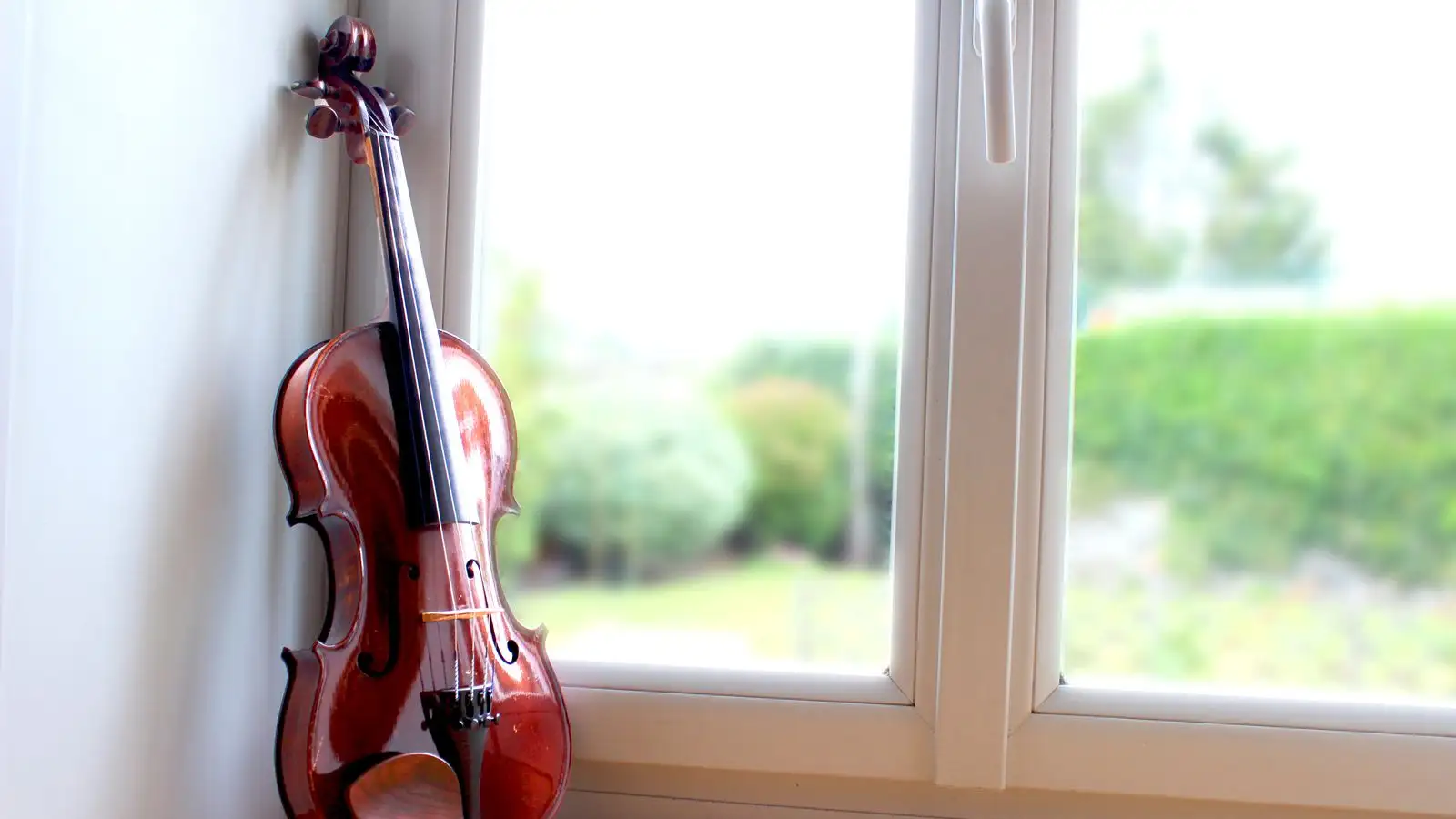
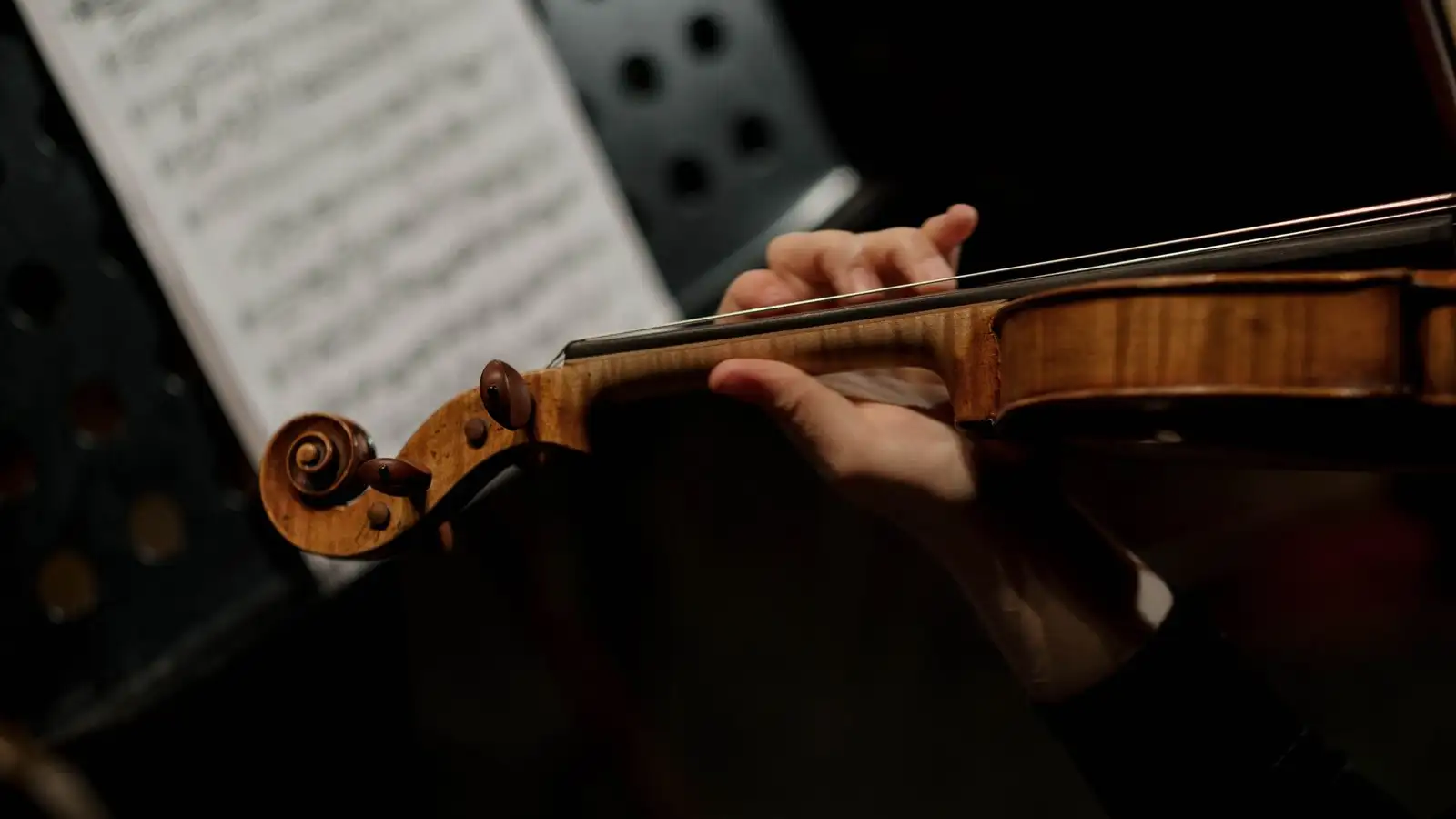
An introduction to the parts of the violin and bow and the basics of how the instrument produces sound, written for the complete novice.
Skip the performance rig. Check your violin's output, add one headphone amp or interface, match the cable, and practice quietly in headphones tonight.
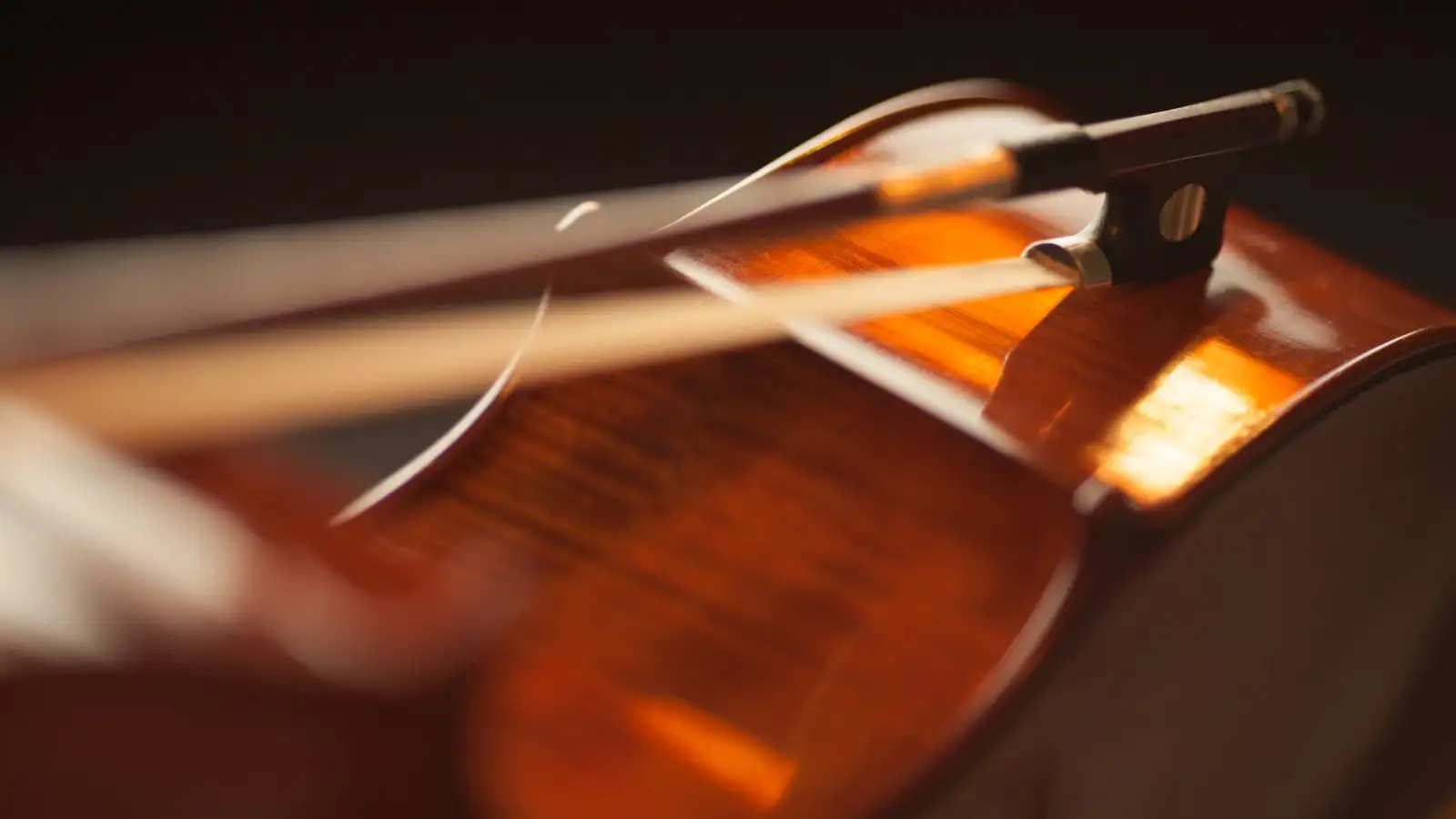
Rosin gives bow hair the friction to catch the string. Here's what happens at the contact point when a bow slides, squeaks, or whispers instead.
An electric violin makes almost no sound on its own. Here's how pickups, preamps, and amps create its voice, and why headphones aren't optional.
Bow speed, pressure, and contact point shape violin tone together, not separately. Here's how to balance all three on open strings, one variable at a time.
Hard surfaces, soft surfaces, room size, and where you stand all change what your violin sounds like. Here's how to tell room effects from real progress.
Rosin doesn't just make the bow sticky. It creates the stick-slip cycle that trips the string into vibration hundreds of times per second. Here's how it works.