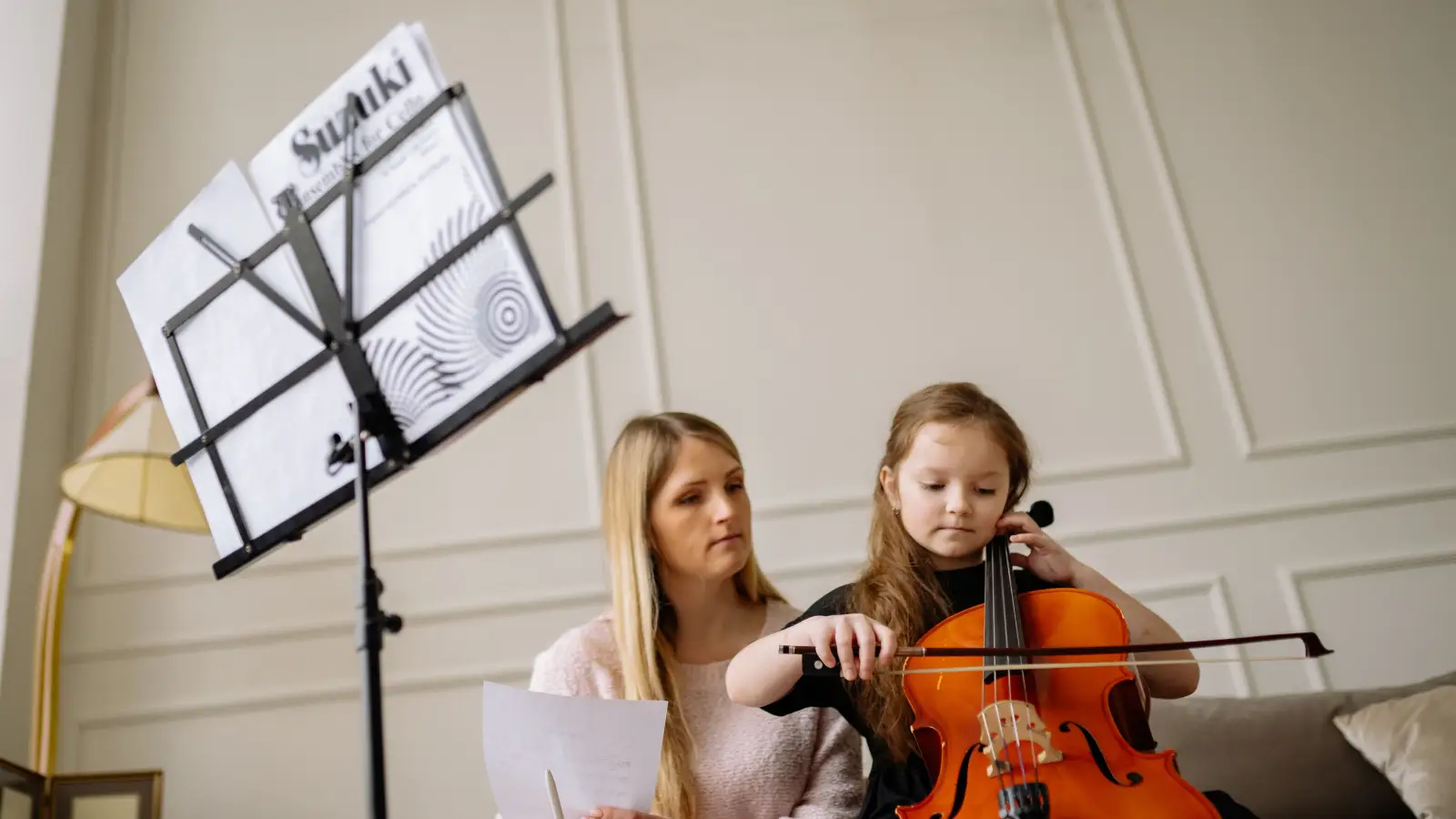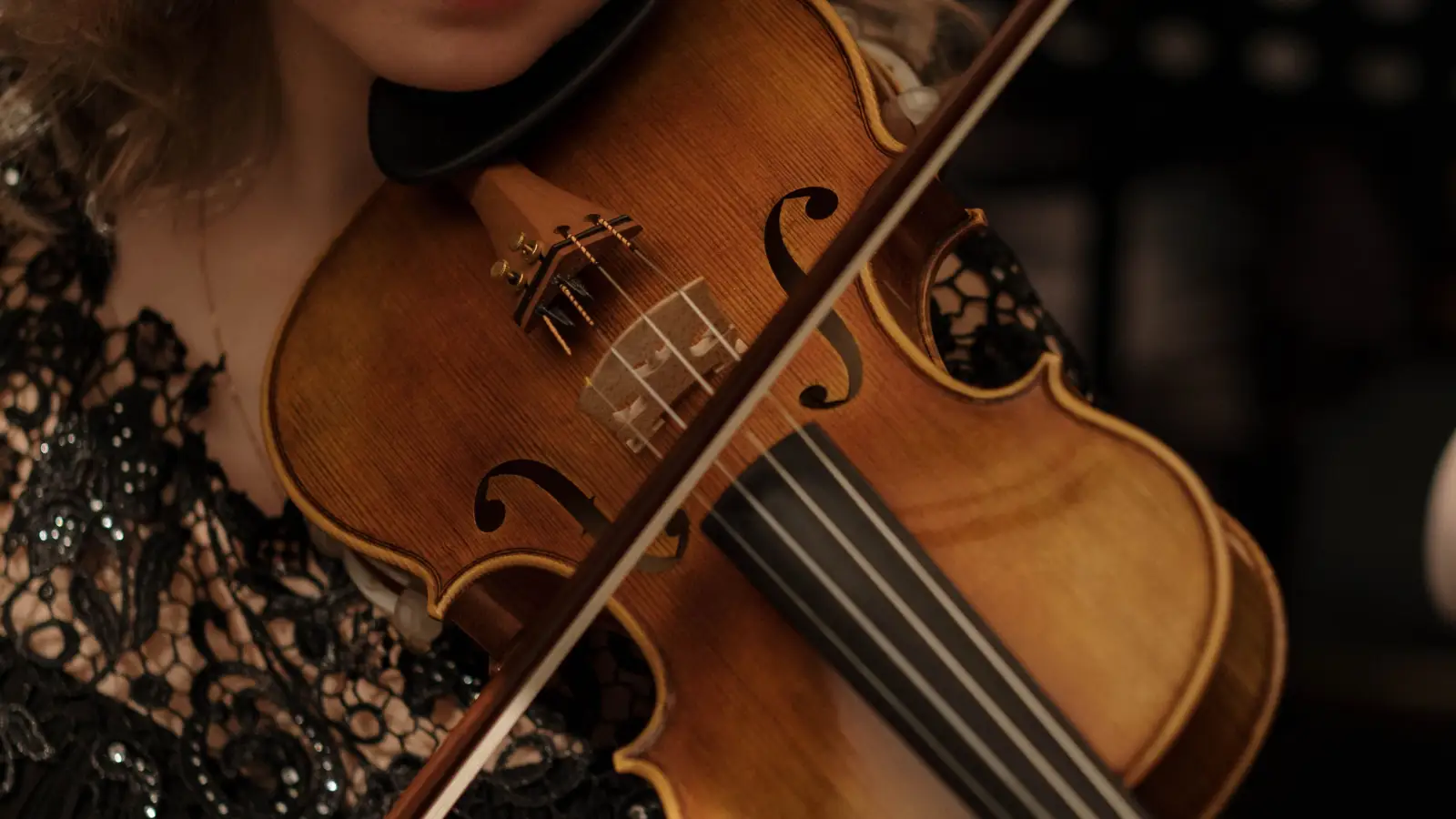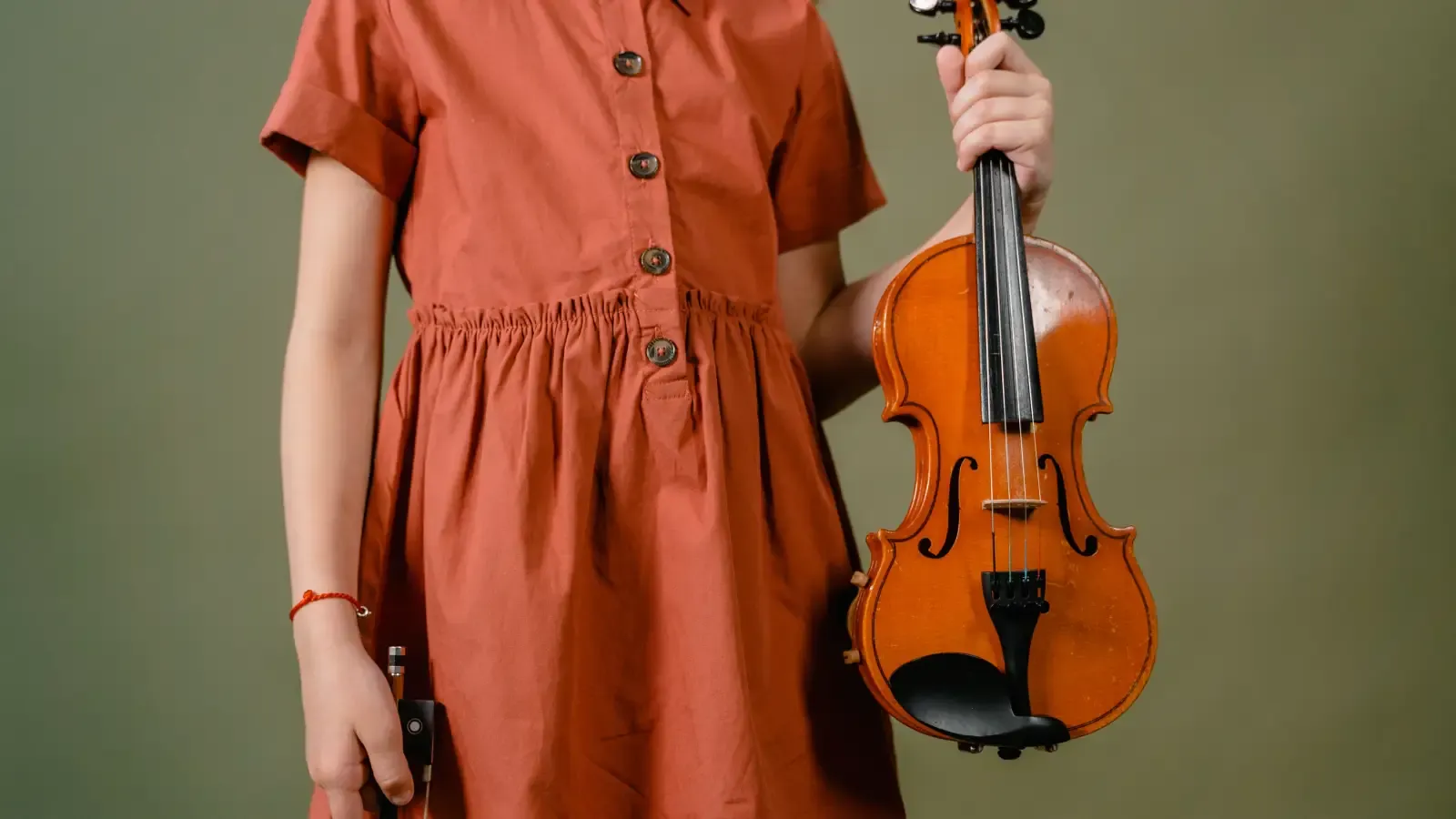
When your violin makes your wrist ache or your shoulder cramp, it’s easy to think you’re just not practicing right. More often than not, the real issue is the instrument’s size — and the physical clues it gives you are not proof that you’re struggling as a musician, but evidence that the violin is working against your body. A violin that’s too large forces the left wrist into a bent, collapsed position; one that’s too small leads to shoulder hunching within minutes. Look for these five signs: a bent left wrist, inability to reach finger tapes, shoulder tension that sets in early, a stiff or overextended bow arm, and neck or jaw discomfort. Every one of these gets labeled a typical beginner frustration, but when they persist despite good instruction, the culprit is almost always the instrument itself.
At a Glance: The Signs You Shouldn’t Ignore
Best Overall: Bent Left Wrist – The most direct signal that a violin is too big; the hand simply can’t keep a straight alignment when the neck is too long.
Best for Early Detection: Shoulder Tension – Shows up in the first few minutes of practice, often before anyone notices a wrist issue, and alerts you that something mechanical is off.
Best for Beginners: Inability to Reach Finger Tapes – A measurable, unmistakable sign that the instrument’s scale length exceeds the hand’s natural reach, no matter how well the player focuses on form.
Best for Bowing Problems: Stiff, Overextended Right Elbow – When the arm has to reach too far for a straight bow stroke, the violin size or the chinrest height is to blame, not a lack of bow control.
Left-Hand Red Flags: When the Instrument Fights Your Fingers
If the left hand can’t settle into a relaxed, rounded shape, the violin’s dimensions are often the hidden variable — and these two signs are the most common.
Bent Left Wrist
What it is: The wrist collapses underneath the violin’s neck, creating a sharp angle instead of maintaining a neutral line from the forearm to the knuckles. This happens most frequently with an instrument that’s too large, because the arm has to twist farther to support the neck while the hand reaches the fingerboard.
Standout strength: A bent wrist appears early and stays constant, even during open-string exercises. Because the position is structurally dictated by the instrument’s length, it rarely resolves with posture corrections alone.
Main limitation: A violin that’s much too small can also distort the wrist, though it usually pushes it outward rather than collapsing it inward. The direction of the bend matters — a wrist tucked under the neck points to a violin that is too big.
Inability to Reach the Finger Tapes
What it is: The fingers cannot land on the first-position tape marks without stretching uncomfortably or pulling the hand frame out of alignment. The player might feel that their fingers are too short, when in reality the distance between the nut and the tape requires more spread than the hand can give without strain.
Standout strength: This is one of the easiest signs to verify objectively. If the player can form a relaxed first position on a different violin with a shorter string length but struggles on the current one, the instrument’s size is the clear reason.
Main limitation: Hand position errors — especially thumb placement too low or too far back — can simulate the same reach difficulty. A quick check without the violin, extending the fingers to the approximate tape location from a neutral hand shape, helps rule out technique and confirm whether the span is genuinely excessive.
Right Arm and Bow Control: Where the Size Shows in Your Bow Arm
A right arm that never feels relaxed during long bows can point to a violin that’s too large — or to a chinrest and shoulder rest setup that doesn’t support the player’s frame.
Stiff, Overextended Right Elbow
What it is: To draw a straight bow all the way to the tip, the elbow must open past a comfortable angle, or the shoulder lifts to compensate. On a violin that’s too large, the string length pushes the bow’s contact point farther from the body, forcing the arm to extend beyond its natural range.
Standout strength: The problem becomes obvious in slow whole-bow exercises, where tension builds visibly and the bow path wobbles. It’s a reliable clue when it shows up alongside left-hand signs.
Main limitation: A chinrest that sits too low or a shoulder rest that’s too flat can create the same overextension, even on a correctly sized violin. If switching to a taller chinrest immediately eases the bow arm, the violin size may not be the root cause.
Posture and Comfort: Why Your Shoulder and Neck Are Sounding the Alarm
Pain or tightness that emerges quickly during practice and vanishes when the violin is put down almost always has a mechanical source. Size and fit are the first places to look.
Shoulder Tension and Hunching
What it is: The shoulder rises toward the ear, especially on the left side, as though the body is trying to clamp the instrument into place. This frequently occurs with a violin that’s too small, because the player compensates for reduced surface contact by gripping with the shoulder. A violin that’s too large can cause it too, but there the tension comes from overworking the muscles that support the heavier, longer neck.
Standout strength: Shoulder tension is one of the earliest signals a beginner or parent notices, and it rarely fades with repeated reminders — the body keeps hunching because the instrument isn’t providing enough stable support.
Main limitation: A poorly adjusted shoulder rest is just as common a trigger. Before deciding the instrument is wrong, test whether a properly fitted rest of suitable height removes the need to hunch. If it does, the rest was the issue; if the hunching persists, the violin size or the chinrest height likely needs to be changed.
Neck or Jaw Pain
What it is: Soreness, stiffness, or aching along the jawline or side of the neck, almost always on the left where the chinrest contacts. It can stem from the head being tilted to accommodate an instrument that’s too long, or from the pressure of clamping down.
Standout strength: Pain that appears only when playing and stops when the violin is lowered is a strong signal that the setup — and often the instrument’s length — is imposing stress. It’s rarely a sign of poor technique; the body is simply reacting to an ill-fitting object.
Main limitation: The chinrest style or its position on the instrument is frequently the real culprit. Swapping to a lower or differently shaped chinrest can eliminate the pain completely, so suspecting violin size should come after ruling out chinrest fit.
Comparison Table: The Five Signs at a Glance
| Sign | What It Looks Like | Why It’s a Size Problem | When It Might Be Something Else |
|---|---|---|---|
| Bent Left Wrist | Wrist collapsed under the neck, sharp angle | Violin too large; arm forced to twist too far | Very small violin can push wrist outward |
| Can’t Reach Finger Tapes | Fingers stretch and miss tape marks | Scale length too long for hand span | Incorrect thumb or hand position |
| Stiff, Overextended Right Elbow | Elbow locked or shoulder lifted to bow straight | Violin too large; bow contact point too far out | Chinrest too low; shoulder rest poorly adjusted |
| Shoulder Tension / Hunching | Shoulder raised toward ear, often left side | Violin too small (clamping) or too large (over-supporting) | Shoulder rest height or shape issue |
| Neck or Jaw Pain | Soreness on side of neck, sore jaw joint | Instrument length or chinrest pressure point | Chinrest style or position |
Choosing Within a Group: What to Tackle First
If you notice left-hand struggles, begin with the bent wrist. It’s the sign hardest to blame on inexperience, and the one that often resolves first when the size is right. Try holding the violin and watching whether the wrist can stay straight — if it can’t, the instrument is almost certainly too big. For right-arm trouble, test with a taller chinrest before measuring the violin; a bow arm that feels normal with a raised contact point suggests the size may be fine. In the posture group, always rule out shoulder-rest and chinrest fit first. A player who still hunches or feels neck pain after those accessories are dialed in very likely needs a different violin size or a setup reconfigured for their body.
Frequently Asked Questions
How can I tell if my violin is the right size without a teacher?
Measure the player’s arm from the center of the palm to the side of the neck, or hold the violin in playing position and check whether the left hand can curve comfortably around the scroll with a slight bend in the elbow. If the arm is fully extended or the scroll touches the wrist, the violin is too large.
Can a wrong violin size cause pain in my left shoulder?
Yes. A violin that’s too small often prompts the shoulder to rise and clamp, while one that’s too large overworks the supporting muscles. Shoulder pain that begins soon after you start playing and stops when the instrument is lowered strongly indicates a size or setup mismatch.
My child keeps complaining the violin hurts. Is that normal for beginners?
Some muscle fatigue is expected, but persistent pain in the neck, shoulder, or wrist is not. When a child regularly says the instrument hurts despite correct posture reminders, check the violin size and the chinrest and shoulder rest fit before assuming the discomfort is just part of learning.
The One Sign to Trust First
If you see a bent left wrist or shoulder tension within a few minutes of playing, start by checking your violin size. For most players, especially those early in their journey, the clearest clue is the left wrist position — when it collapses inward and can’t stay straight no matter how attentive you are, the violin is almost certainly too large. Addressing that single sign often makes playing feel dramatically more comfortable, and it’s the quickest way to separate a genuine beginner struggle from an instrument that simply doesn’t fit.