A beginner violinist can expect to spend between $50 and $150 on accessories during the first year. A closer look at how new players actually allocate that money, though, shows a pattern: many spend extra on things they rarely use, like tuners, while holding back on the items that make daily practice feel easier and sound better. The data points to shoulder rests and bows as the two areas where spending a little more early on pays off in comfort and steady progress.
The Three Spending Forces Every Beginner Faces
Three forces shape how a beginner's accessory money gets spent, and they push in different directions. The first is the quality gap trap—very cheap accessories can be barely functional, while professional gear is priced way above what a beginner needs, leaving no clear middle ground. The second is the rental gotcha: the outfit includes a bow, case, rosin, and maybe a shoulder rest, but the quality varies so much that a player can't easily tell which piece is holding them back. The third is the comfort premium—a few accessories directly affect how long you can practice without pain, and cutting corners on them ends up costing far more in frustration than the price difference ever would.
The Spending Stages: From First Kit to First Upgrades
Stage 1: What Your Rental Probably Includes (and What to Use Without Spending)
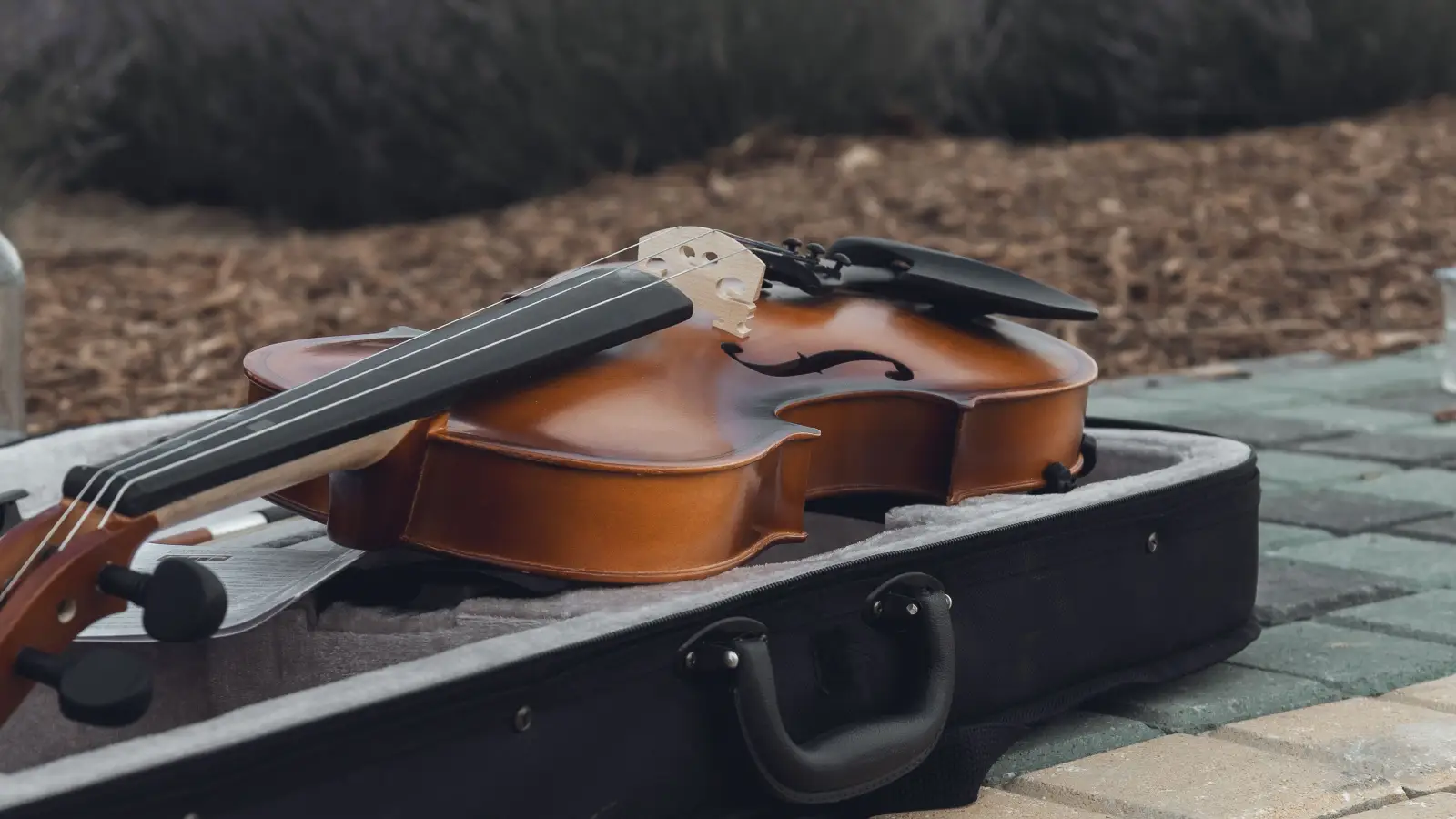
Nearly all beginners begin with a rental outfit. The bow, the plastic shoulder rest, the little block of rosin, and the lightweight case that come with it are meant to be enough for the first stretch of learning. At this stage, the wisest move is to avoid buying anything extra until enough practice hours have passed that the player can feel, physically, where the gear is working against them.
Doing this stage well means resisting the impulse to pick up a tuner, a fancier case, or a set of expensive strings right away. The rental bow is typically adequate for the first several months; the case will keep the violin safe; and a free tuning app on a phone does exactly what a $25 electronic tuner does. Beginners who wait to spend here save $30–$60—money that can be redirected later to the things that truly matter.
Stage 2: The First Purchases That Fix Your Playing
After a few weeks of regular practice, two items often surface as real trouble spots: the shoulder rest and the bow. The rest that came with the rental is usually a one-size-fits-most design that slips, shifts, or presses at the wrong angle, forcing the player to clench the violin between chin and shoulder to keep it steady. This tightness spreads into the neck, the shoulders, and the left hand, making basic bowing harder than it needs to be. A contour-mapped shoulder rest—something shaped to match the body, costing roughly $20–$40—removes that barrier. Many beginners save money here unwisely, tolerating a poor fit for weeks, trading daily comfort for keeping that $30 in the bank.
The rental bow is another common saving point that backfires. Stock bows tend to be heavy, poorly balanced, or haired unevenly, all of which make a clean tone feel like a fight. A beginner doesn't need a costly pernambuco bow, but a $60–$110 carbon fiber bow brings a consistent weight and reliable response that lets the student hear what their right hand is actually doing. Done well, Stage 2 means spending about $80–$150 on a shoulder rest and a modest bow upgrade—and feeling the difference immediately in how comfortable practice becomes and how much better the tone sounds.
Stage 3: The Gadgets Beginners Buy Too Early
Once the basics feel in place, the pull toward accessories that look more "musical" grows stronger—a digital chromatic tuner, a standalone metronome, a set of higher-grade strings. This is exactly where overspending creeps in. A dedicated tuner rarely gives better accuracy than a well-lit phone app; a physical metronome is lovely but unnecessary when free digital versions offer more practice features. Beginners drawn to the shine of these gadgets often spend here while still wrestling with that shoulder rest or the rental bow.
Premium strings are another classic early overspend. A $60 set of strings sounds rich under a trained bow arm, but a beginner's tone is shaped almost entirely by bow control, not by the string material. A standard $15–$25 set—something like D'Addario Prelude or Thomastik Alphayue—gives clean pitch and solid durability for months. Done well, Stage 3 means waiting on electronic tools and expensive strings until the student can truly hear why they might matter, which usually takes six months to a year of steady practice.
A Real Beginner's Journey Through the Spending Stages
Picture a new violinist who rents an outfit and dives into weekly lessons. In the first month, the plastic shoulder rest slides every few minutes, so they buy a $5 foam pad to try to fix it. It helps a little but still leaves them gripping. Frustrated, they also pick up a $25 clip-on tuner, hoping it will speed up tuning practice. Meanwhile, the rental bow feels heavy and bouncy, but they assume that's just how violin is.
Three months in, neck pain finally pushes them to try a shaped Kun-style rest for $30—and the change in comfort transforms their daily practice. A month later, a teacher suggests a carbon fiber bow; spending $90 on one makes tone production noticeably easier. That tuner sits unused because the phone app turned out to be quicker. Total accessory spend after six months: $150 well-placed on the shoulder rest and bow, plus $30 wasted on a tuner that wasn't needed. The comfort tools came first; the gadgets came too early.
Three Costly Mistakes That Sidetrack Beginners
Tolerating a Shoulder Rest That Doesn't Fit
A rest that slips or presses wrong makes a player hunch or clamp down, tightening the left hand and making smooth shifting nearly impossible. Staying with it costs practice hours and ingrains tension habits that can take months to undo. A $30 rest that fits securely is one of the highest-return purchases a beginner can make.
Delaying the Bow Upgrade Too Long
A rental bow that is heavy or poorly balanced forces extra effort just to pull a smooth sound, hiding progress in bow control and wearing down the player's motivation. Upgrading to an entry-level carbon fiber bow ($70–$110) removes that variable and lets the student hear what their right hand is really doing.
Buying a Dedicated Tuner Before Learning to Listen
A chromatic tuner gives a number, but it doesn't train the ear. Beginners who lean too heavily on a hardware tuner often struggle to notice when they drift out of tune later. A smartphone app provides the same pitch reference and keeps $20–$30 free for the items that genuinely need it.
Quick Reference: Beginner Accessory Spending Patterns
| Accessory | Typical Spend Range | Common Behavior | Smart Move |
|---|---|---|---|
| Shoulder rest | $20–$40 | Often underspend | Buy a fitted rest early; it pays for itself |
| Bow | $60–$110 (upgrade) | Often delayed too long | Upgrade to carbon fiber when comfort matters |
| Rosin | $5–$15 | Rarely overspend | Use what comes with rental; replace as needed |
| Strings | $15–$25 (beginner) | Often overspend | Stick with a standard steel or synthetic core |
| Tuner | $0 (app) | Often overspend | Use a free tuning app; skip the gadget |
| Case | Included with rental | Rarely overspend | Upgrade only if traveling frequently |
FAQ
Do I really need a separate tuner, or can I use my phone?
A phone app such as Tunable or Pano Tuner is accurate enough for beginner violin tuning. A dedicated tuner offers no real advantage unless there is a strong preference for a physical device during lessons. Most beginners are better off putting that money toward a good shoulder rest.
What's the first upgrade I should make after my rental?
Check the shoulder rest first. If it doesn't let you hold the violin securely without clamping, replace it. After that, consider an entry-level carbon fiber bow if the rental bow feels heavy or unresponsive and is making tone production harder than it should be.
Are expensive strings worth it for a beginner?
Not yet. A beginner's tone depends far more on bow control than on string material. Stick with a reputable budget set like D'Addario Prelude or Thomastik Alphayue, and upgrade strings later, when you can consistently produce a clear, controlled sound.
How much should I spend on a shoulder rest?
$25–$40 covers a well-designed rest from brands like Kun, Wolf, or Bonmusica. To test the fit, set the violin on your shoulder without gripping—the rest should hold the instrument at a comfortable angle without slipping.
Should I buy a better case right away?
Only if the rental case is damaged or you will be transporting the violin regularly outside the home. The standard shaped case is adequate for most beginners; the money is better spent on a shoulder rest and a bow that make practice feel easier.
Today's Smartest Spending Move
Beginner violinists get the most from their budget by following three stages: start with the included accessories and only replace what interferes with practice, invest early in a comfortable shoulder rest and a responsive bow, and hold off on electronic gadgets and premium strings until your ear knows the difference. Right now, check whether your shoulder rest lets you support the violin without tension—if it doesn't, that's the first $20–$40 you should spend.