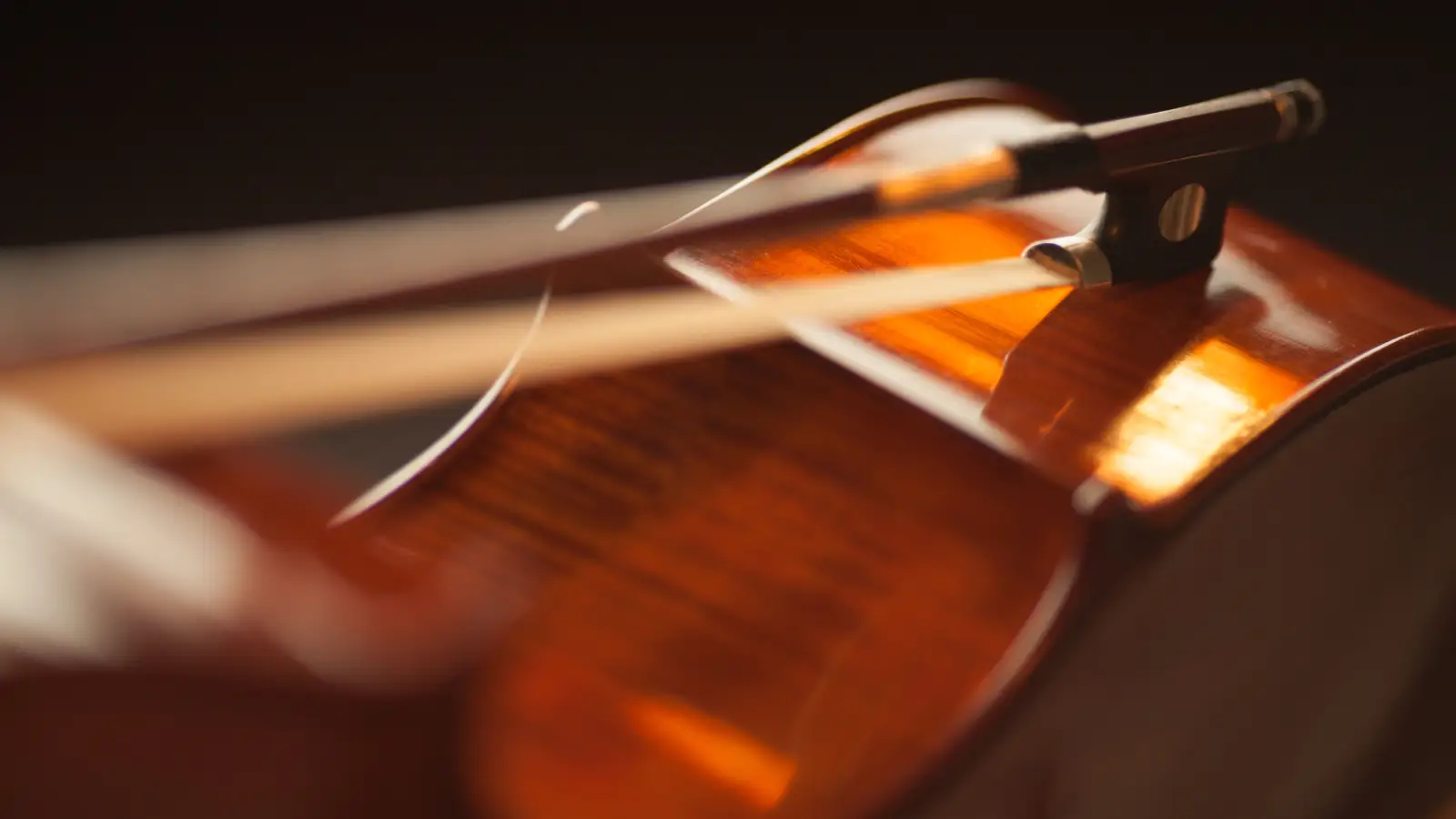
A worn winding doesn’t just look neglected—it gradually moves the bow’s balance point toward the tip, making the stick feel heavier in your hand and less responsive. As the thread wrapping and leather grip lose mass or compress, the bow becomes tip‑heavy. This forces the right hand to grip harder and leads to earlier fatigue in the fingers, wrist, and forearm. A beginner can detect the change easily: find the balance point, normally 9.5 to 10.5 inches from the frog on a full‑size bow, and check if it has crept forward. When it does, agility drops and the bow starts working against you.
Why a Small Balance Shift Wears You Out Faster
For a beginner still getting comfortable with bow holds and straight strokes, a gradually worsening balance point adds strain that’s easy to blame on lack of skill. The fingers and forearm work harder to keep the bow stable and even, especially during longer passages. Practice sessions that should build endurance instead leave the hand tired and tight. Often, what feels like a technique flaw is actually a bow whose weight distribution has quietly shifted. Ten seconds spent checking the balance point can save weeks of chasing the wrong problem.
What the Winding and Leather Do to Your Bow’s Center of Mass
The Thread Winding Adds Vital Counterweight
Every bow depends on its mass distribution to feel controllable. The thread winding—usually silk or silver wire wrapped in front of the frog—adds roughly 2–3 grams of weight low on the stick, offsetting the heavier head. As the winding wears, frays, or compresses from hand pressure, some of that counterweight disappears. Even a loss of half a gram can shift the balance point enough to change how the bow responds.
Leather Grip Wear Removes Mass Quietly
The leather grip sits on top of the winding for traction, but it also contributes to the total mass near the frog. Over time leather compresses, loses thickness, and can absorb moisture, all of which reduce its weight. By itself the change is modest, but added to winding wear it often pushes the balance point far enough to notice. A grip that feels flat and unyielding under the fingernail has likely shed meaningful weight.
How Far the Balance Point Can Move Before You Feel It
A shift of 3–5 millimeters toward the tip is enough for many players—including beginners—to sense. Those few millimeters change the torque on the right hand, making the bow feel heavier and less cooperative. Spiccato becomes harder to control, and the bow loses the subtle “hug” it gives the string. On a full‑size violin bow, if the balance point reaches beyond about 10.75 inches from the frog, the bow starts hindering rather than helping the motion.
A Step‑by‑Step Check for Your Current Bow
Locate Your Bow’s Balance Point
Balance the stick on a round pencil or your index finger, holding it horizontally with the hair facing up. Slide the bow until it teeters, mark the spot with a small piece of tape, and measure from that mark to the ebony face of the frog. Compare the result with the typical range for your bow size. A number significantly above 10.5 inches for a full‑size violin bow suggests the winding has lost mass.
Look at the Winding and Grip Up Close
Examine the thread wrapping under good light. Gaps between turns, frayed threads, or loose ends show that the winding is failing. Then test the leather grip: press a fingernail gently into it. If it feels hard and thin rather than slightly giving, it has compressed past the point where it provides its original weight. These physical clues line up with a forward balance point.
Play a Simple Spiccato and Détaché Trial
Try a controlled spiccato passage at a moderate tempo. Notice how quickly the bow returns to the string and whether you need extra finger effort to keep the bounce even. Then switch to a slow, sustained détaché stroke on a single note. If the bow feels heavy or starts bouncing unpredictably when you are trying to stay relaxed, balance is likely part of the issue.
Three Misconceptions That Keep a Worn Winding on the Bow
“The winding is just a grip—it doesn’t affect how the bow plays.”
In truth, the winding’s mass directly sets the balance point. Removing or compressing it is like taking weight out of the frog end, shifting the center of gravity toward the tip. A grip can feel comfortable under the hand but still be too light for good balance.
“Beginners won’t feel a small balance change.”
Beginners often notice fatigue and tension before they can name the cause. Because they haven’t yet built refined coordination, a small shift forces an overly tight grip to compensate, which feels like poor technique. That extra effort slows progress and can lead to discouragement.
“Thicker grip tape can replace the missing weight.”
Adding adhesive tape may seem like a quick fix, but tape compresses over time and distributes weight unevenly. It does not mimic the precise, concentrated mass of a properly wound thread. At best it’s a temporary crutch; at worst it creates a new imbalance that masks the real problem.
FAQ
How do I know if my winding is too worn?
Look for visible gaps, loose threads, or a leather grip that has become flat and hard. Measuring the balance point adds certainty—a shift of more than about 2 mm toward the tip almost always means mass has been lost.
Can a worn winding cause wrist or shoulder pain?
Yes. A tip‑heavy bow makes the right hand grip tighter and the wrist lift more, which can lead to tension and discomfort over long practice sessions. Many players find that pain fades after a fresh winding restores the original balance.
How much does a professional re‑wind cost?
A standard thread winding and leather grip replacement typically costs between $30 and $70, depending on the luthier and materials chosen. It’s one of the more affordable bow repairs.
Is it worth re‑wrapping a student bow?
If the bow is otherwise straight and has a healthy camber, re‑winding is well worth it. Restoring the intended balance point makes the bow feel more comfortable and helps a student build good habits without fighting the equipment.
Deciding Between a Re‑wind and a Different Bow
When the balance point has drifted and you are noticing extra fatigue or a drop in control, a fresh winding is a low‑cost first step. But if the bow also shows signs of warp, a badly worn camber, or significant structural damage, a replacement may be the wiser choice in the long run. For most beginners struggling with a worsening balance point, though, a proper re‑wind brings an immediate and noticeable improvement.