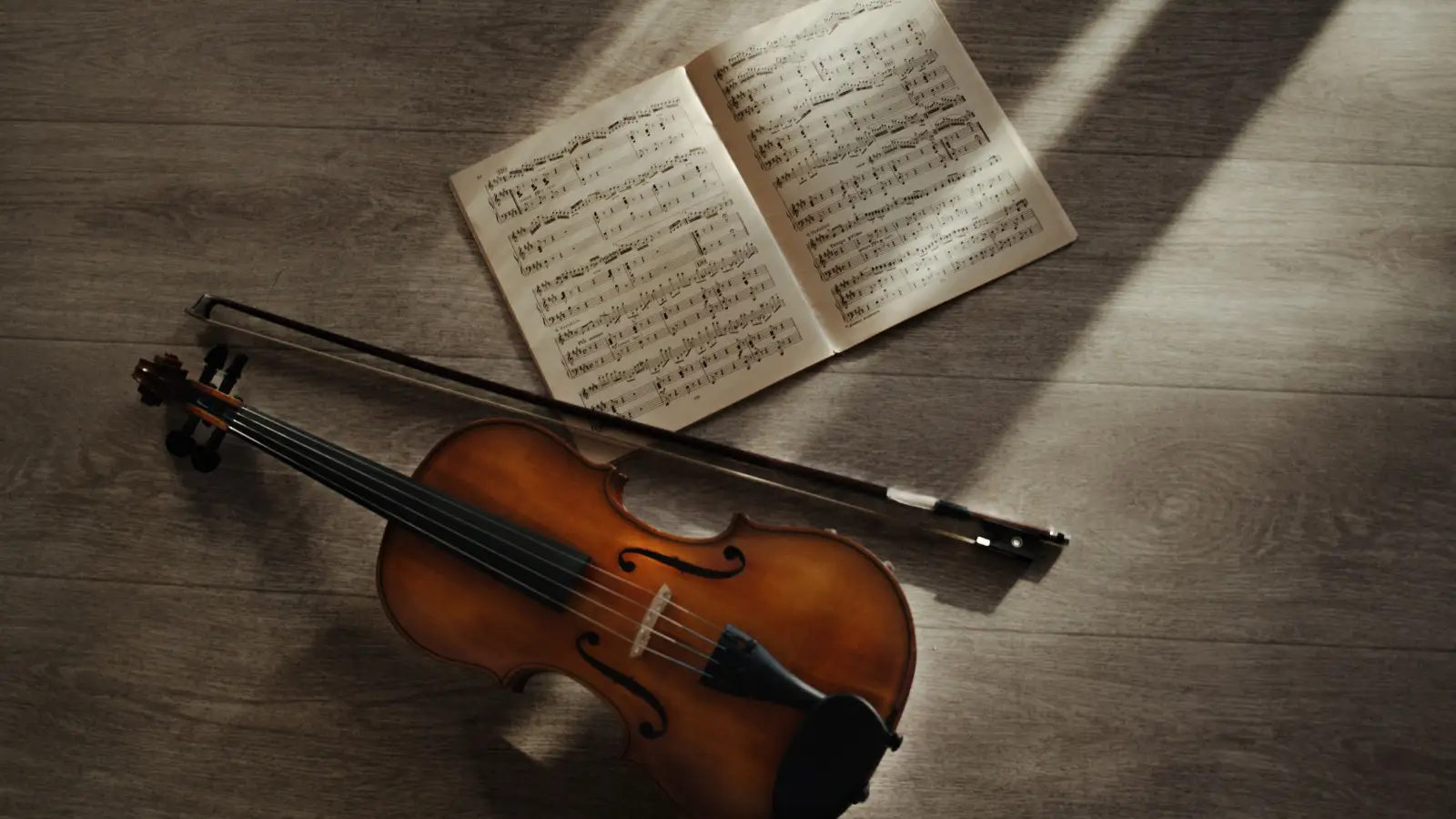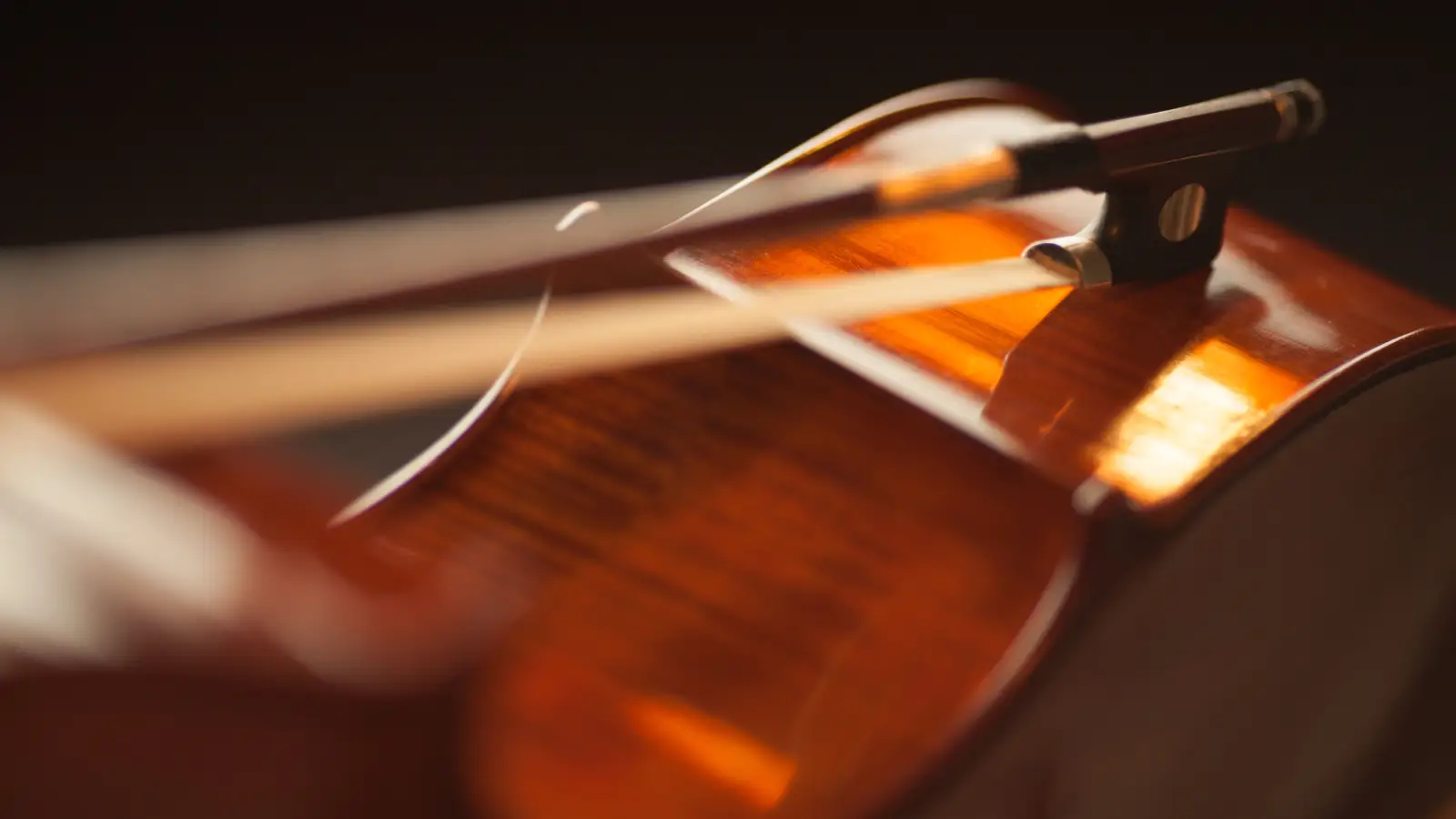
The ivory tip on a violin bow—more accurately called the tip plate—is a small, dense shield that caps the bow’s head. It covers the hair mortise and takes on the pull that would otherwise tear through the thin pernambuco wood. This is not decoration. Its weight, placement, and material decide how safely the bow handles tension, how long it stays crack‑free, and how confidently a player can trust it during a lesson or a performance.
Adult beginners and parents helping a child choose a first wooden bow often notice the head last—until something goes wrong. That tiny white plate is doing three quiet jobs at once: it guards the mortise from wear, it adds just enough mass at the extreme tip to balance the stick, and it stops cracks from running through the wood. Overlooking these roles can hide a risk that builds silently over months of practice.
Why a Bow’s Tip Plate Matters Before You Buy or After You Drop It
A teacher inspecting a student’s equipment will glance at the tip immediately, because a loose or poorly fitted plate signals trouble. A cracked head is among the most common and costly repairs a violin shop sees, and the failure often begins right at the tip. For anyone shopping for a bow—whether as a first upgrade or a careful investment—checking the tip plate is a small habit that can save a lot of heartache. It is also the spot to re‑examine after a fall, even if nothing looks broken.
The Three Structural Roles of the Ivory Tip Plate
Protecting the Hair Mortise from Erosion
Inside the bow head, there is a small, precisely cut pocket called the mortise. The hair knot sits there, and each time the bow is tightened, the hair pulls against the front wall of that cavity. A tip plate made of hard, dense material absorbs the brunt of that force. Without it, the relatively soft pernambuco wood would wear unevenly, the mortise would widen, and the hair could eventually slip or the head could develop a crack that starts from the inside.
Balancing Mass Where the Bow Needs It Most
The tip plate weighs only a few grams, but it is positioned at the farthest end of the bow. That gives it a disproportionate effect on how the bow feels in the hand. A plate that is too heavy makes the bow tip‑heavy, which can slow response and tire the arm. One that is too light or missing leaves the tip unstable and can throw off the balance point. Bow makers choose the material and thickness of the tip plate carefully—not for looks, but to keep the bow’s weight distribution even and its handling natural.
Preventing the Head from Snapping Under Tension
The wood at the very tip is alarmingly slim—often just a few millimeters across—yet it must bear the full pull of the hair every day. A well‑made ivory or synthetic tip acts like a compression band, squeezing those thin wood fibers together and spreading the load wider. If the plate is missing, poorly glued, or cracked through, a sudden shock—even a routine drop onto a carpeted floor—can cause a clean break. That is a devastating moment for any player, and in most cases it is preventable with a solid, well‑maintained tip plate.
What People Often Misunderstand About the Ivory Tip
It Is Not Just a Decoration
A white cap at the end of the bow can look like a stylistic flourish, much like the purfling inlay on a violin. But take it away, and the mortise is exposed, the wood is unprotected, and the bow becomes dangerously fragile. The plate’s presence is a functional necessity, not an aesthetic choice.
Not Every White Plate Is Real Ivory
Today, the vast majority of new bows—especially student and intermediate instruments—use synthetic tip materials such as ivoroid, a hard plastic composite. Real elephant ivory is heavily restricted and rare on modern bows. Mistaking a synthetic plate for ivory can lead to misguided care, like applying oils meant for natural materials and actually weakening the glue or the plastic over time.
A Small Crack in the Tip Plate Is Not Harmless
A hairline crack may seem like a minor blemish, but it has already created a path for moisture and a weak point in the protective shell. Over repeated tightening and loosening, that crack can expand, the glue can fail, and the mortise behind it can suffer. Any visible line in the tip plate deserves a trip to a bow maker, even if the bow still plays.
Common Questions About the Bow’s Tip Plate
What are modern tip plates made of?
Most are now synthetic: ivoroid is the standard substitute. On rare, high‑end or vintage bows, you might encounter mammoth ivory or legally documented pre‑ban elephant ivory, but for everyday playing, synthetic materials are durable, stable, and repair‑friendly.
How can someone tell if the plate is real ivory or synthetic?
Real ivory often shows faint, irregular grain lines under good light and can feel noticeably cooler when first touched. Synthetic plates tend to have a more uniform surface and warm up quickly to room temperature. A luthier can give a definitive answer, but factory‑made bows are almost always synthetic and will be labeled as such.
Can a cracked or missing tip plate be repaired?
Yes. A bow maker can carefully remove the old plate, clean out the mortise, shape a new plate from ivory or synthetic stock, and glue it into place with hide glue. The repair is precise and takes an experienced hand, but it is a routine job that restores full strength to the head.
Does the tip plate influence sound?
The plate itself doesn’t produce tone the way the stick’s wood does, but a loose or unbalanced plate can create subtle instabilities that make the bow feel less responsive. A properly seated, well‑proportioned plate supports the bow’s ability to transmit the player’s input cleanly, which indirectly helps sustain a steady, ringing tone.
Putting That Knowledge into Practice
Before buying a bow, or after any mishap, look closely at the ivory tip. A neatly fitted, crack‑free plate with no gaps around the mortise is a reassuring sign. That small strip of white is doing more than finishing the bow’s shape—it is holding the most vulnerable part together. Keeping it intact is one of the simplest ways to protect an instrument that already demands so much patience and care.