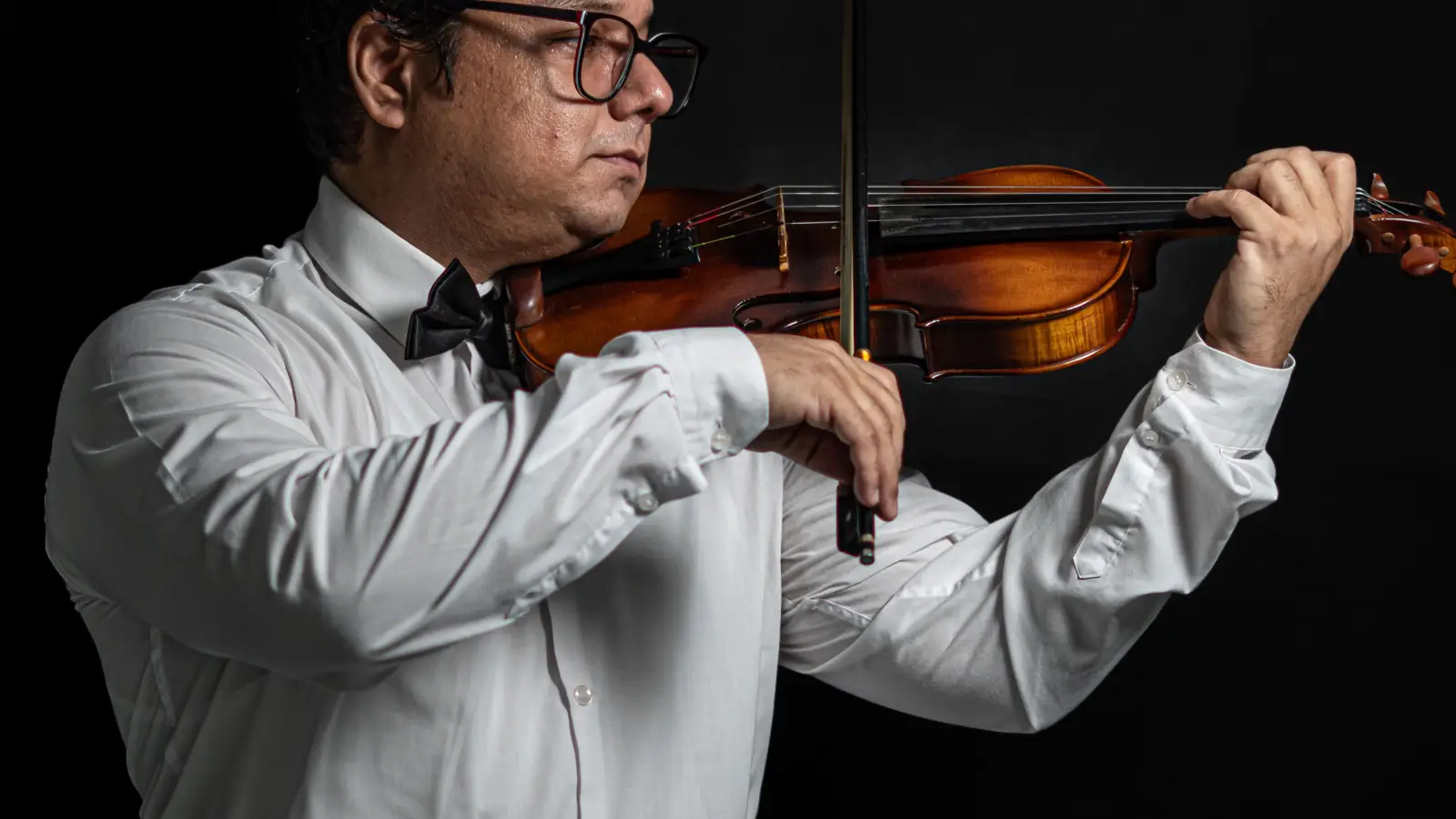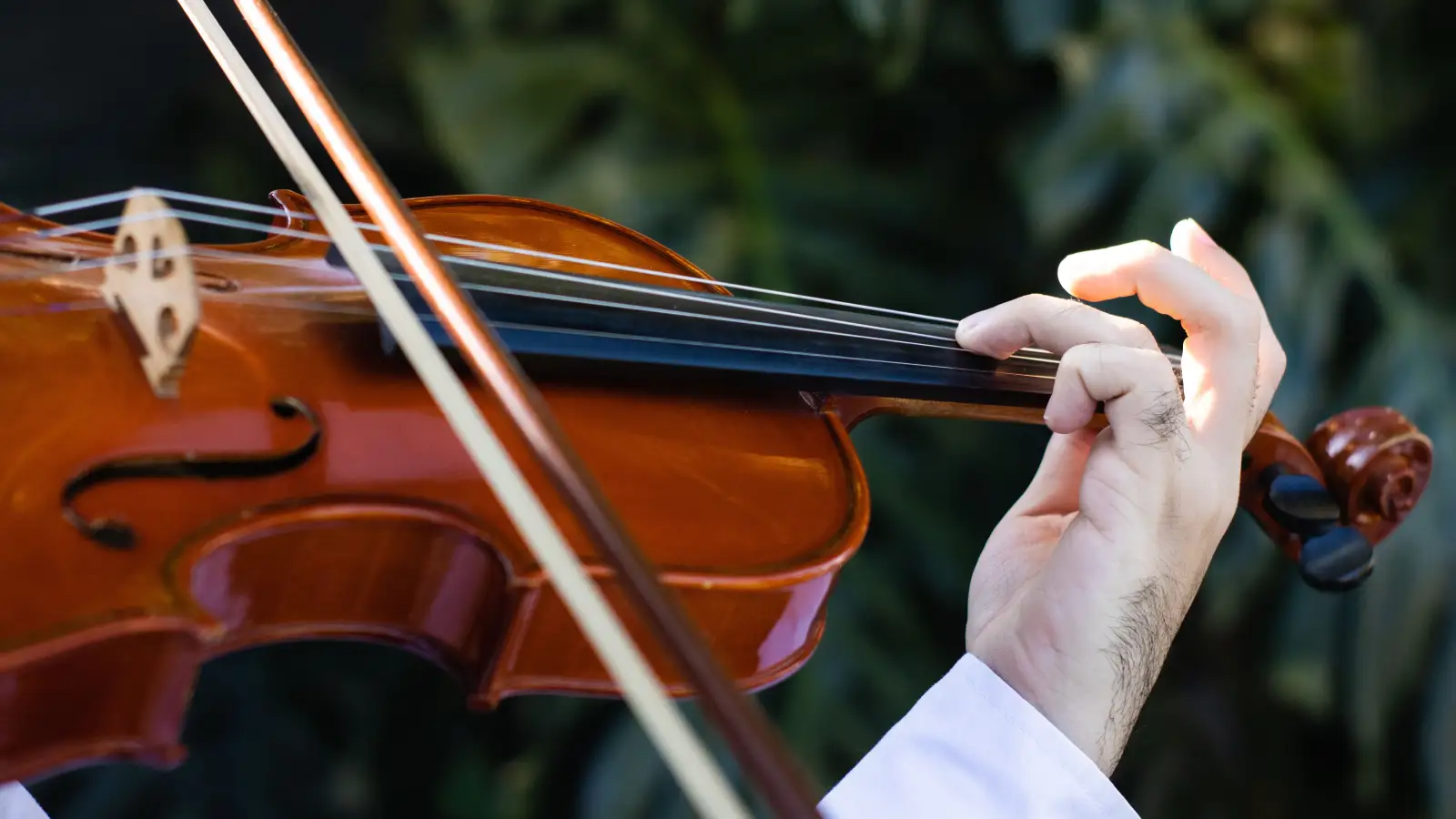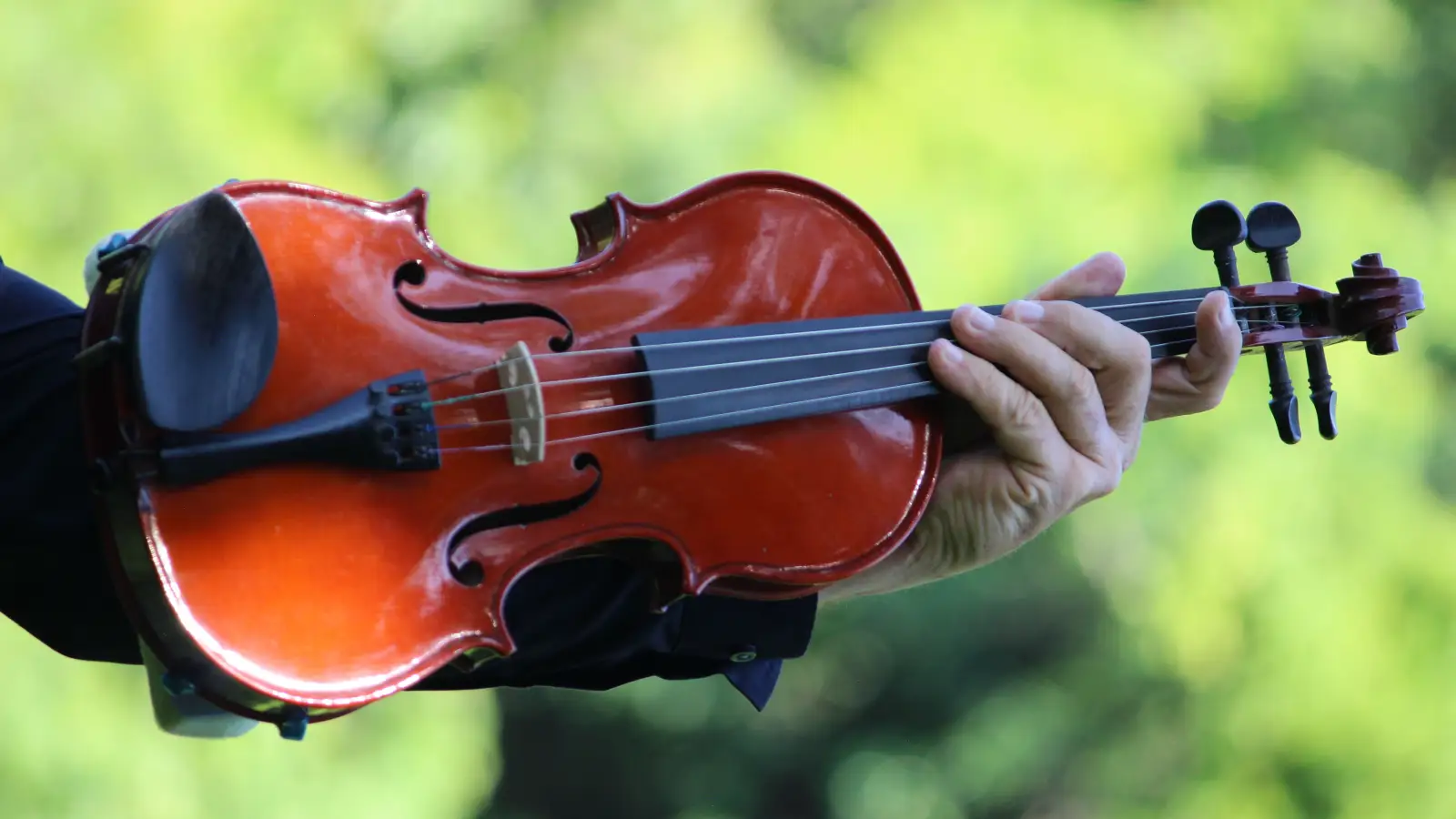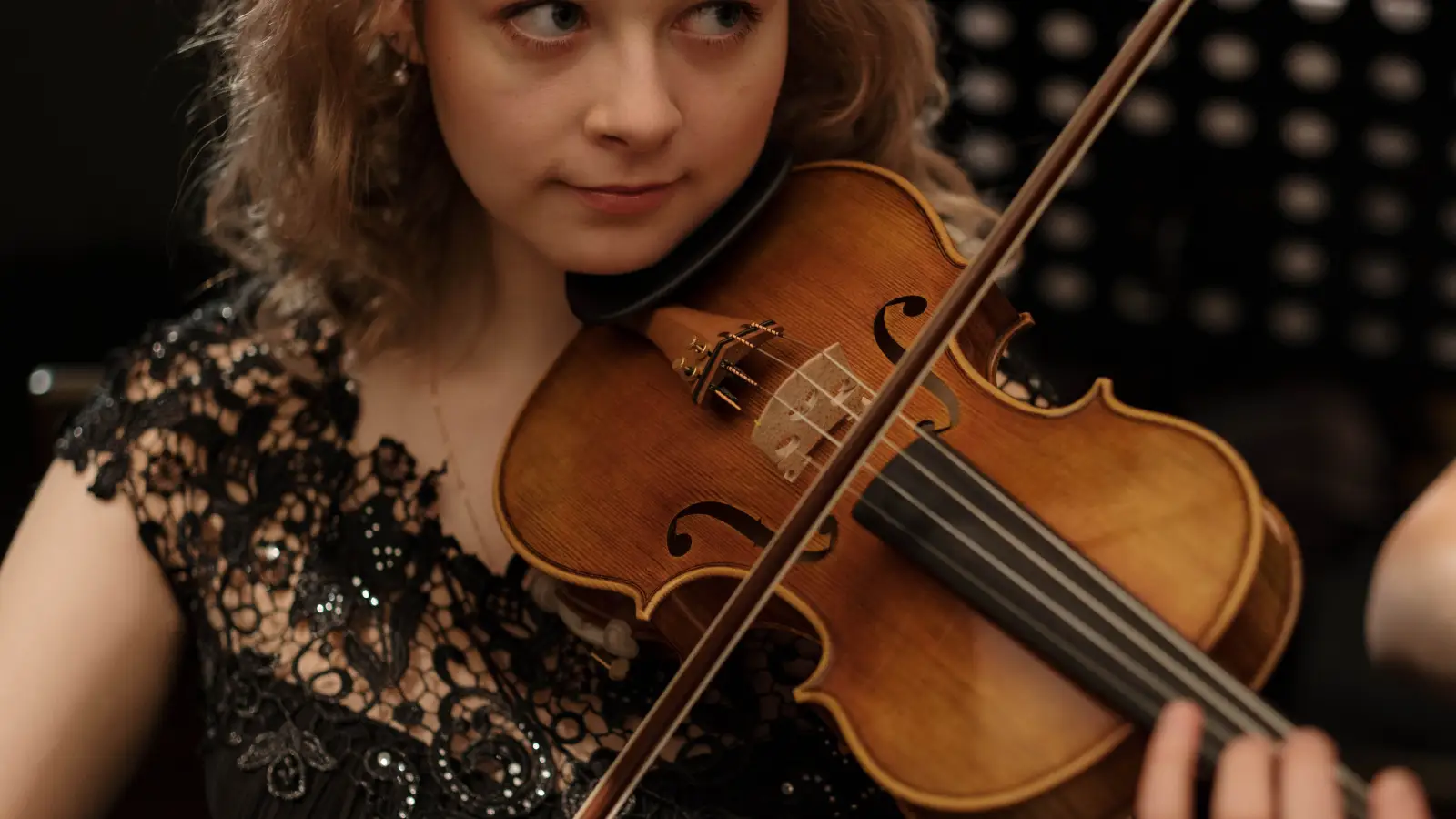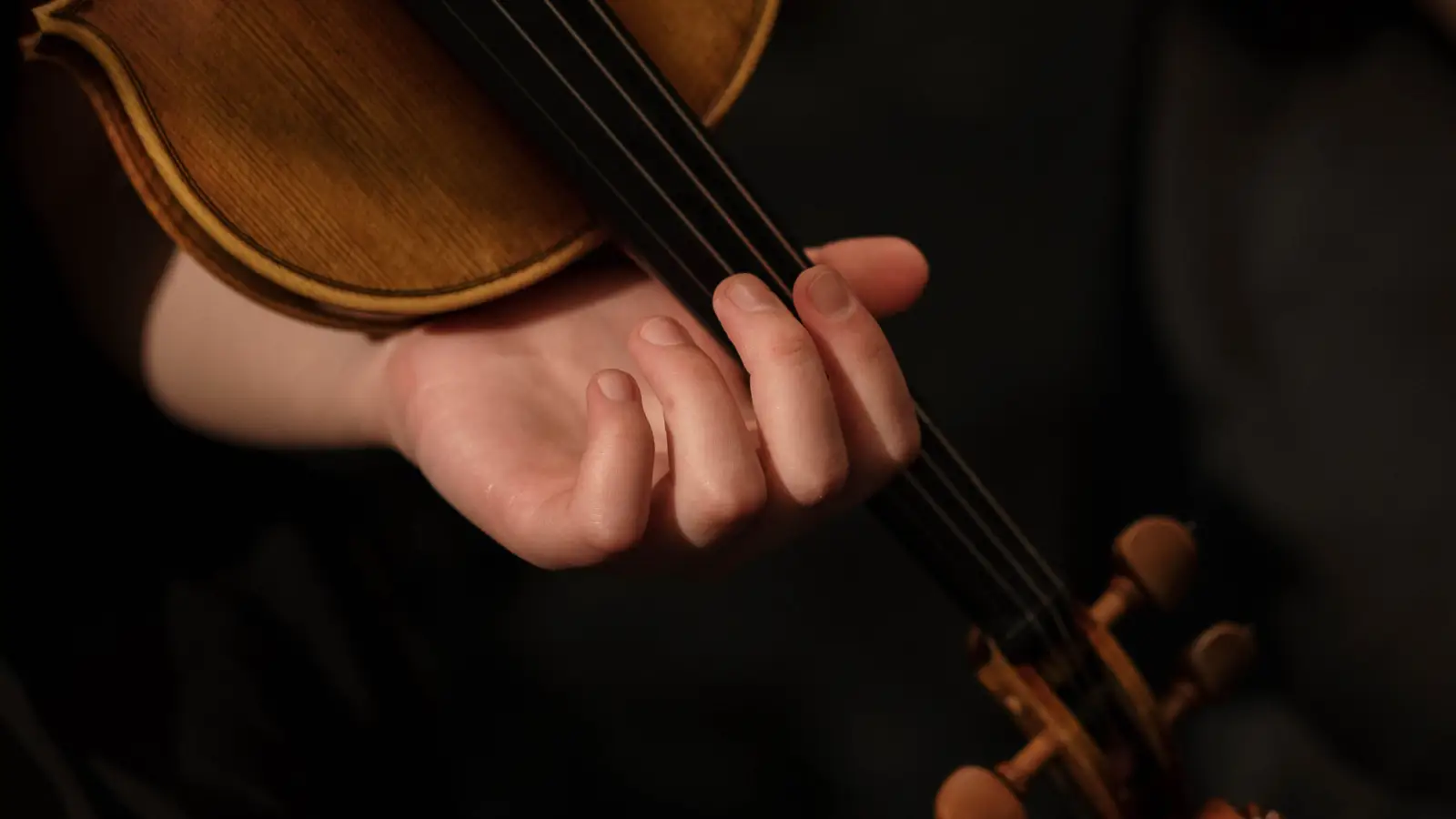
If your violin sounds scratchy, the problem is almost certainly in your bow hand. The sound itself — harsh, thin, bouncing — is a direct report from your fingers. Fix the hold, and the tone cleans up. This article diagnoses bow hold errors by their sonic signature and hands you a tactile correction you can implement right now. No theories, no vague advice — specific physical adjustments that work.
Instead of describing the ideal bow hold’s appearance, this article sorts mistakes by the sound you hear: scratchy, thin, or bouncing. For each, you get a physical exercise that retrains the hand. The result is a direct path from the noise you want to eliminate to the feeling that removes it.
Corrections That Work, Sorted by Sound
- Best all-purpose fix for scratchy tone: Thumb flexibility drill — releases the clamping grip that causes harshness and returns smooth contact fast.
- Best zero-gear option for pressed, harsh sound: Index finger balance drill — retrains pressure distribution using only the bow.
- Best for beginners wrestling with bounce: Pinky tap drill — stabilizes the bow at the frog without complicated instruction.
- Best for a thin, airy tone: Arm weight transfer exercise — adds presence and projection instantly.
Scratchy, Harsh Tone: When Pressure Overwhelms the String
For players tired of a gritty, rough edge on every bow stroke.
#### Locked Thumb: The Rigid Grip That Skews Pressure
Lock the thumb in a straight, hard press, and the scratch appears immediately. The bow can’t pivot, so the hand clenches, and the tone turns harsh and uneven.
Fix it fast: roll a small washcloth or foam cylinder between the thumb and the bow’s leather grip. Bow slowly while the thumb bends and cushions the stick. Remove the prop and maintain that flexible contact. The scratch recedes within seconds because the bow can pivot naturally.
Standout strength: Immediate auditory feedback — the moment the thumb relaxes, the grinding noise stops.
Limitation: A flexible thumb feels insecure at first. Work through one-minute practice bursts until it stabilizes.
#### Index Finger Death Grip: When Control Crushes the Sound
The index finger wraps too far around the stick and presses downward, overpowering the bow’s natural balance. The result is a compressed, harsh tone with a grinding attack.
Fix it fast: take the index finger completely off the bow. Let the bow balance on thumb, middle, and ring finger only. Bow a few strokes with those three contact points, feeling the arm’s weight transfer naturally. Then lay the index finger back lightly — rest it near the first joint, no pressing. The sound opens up immediately because the bow is no longer being forced into the string.
Standout strength: Exposes exactly how much pressure the index was using; the cleaner, freer tone is undeniable.
Limitation: Without the index engaged, the bow may drift slightly during string crossings. The aim is light contact, not no contact.
Thin, Whispery Tone: When the Bow Barely Connects
For players whose sound lacks body and volume no matter how hard they try.
#### The Floating Bow Hold
The fingers hold the bow too lightly; the middle and ring fingers barely touch the stick, so the arm’s weight never reaches the string. The tone comes out thin, airy, and easily lost.
Fix it fast: stand with the bow on the string. Make the middle and ring fingers deliberately heavy — let the whole arm hang from the bow. Draw the bow slowly, feeling the string pull back against the hand. Target a steady pressure, not a tight grip. The sound thickens because the arm’s weight finally transfers.
Standout strength: Adds richness and projection almost instantly by addressing the most common cause of weak tone.
Limitation: Too much heaviness pushes the sound back into scratchy territory. Balance this exercise with the thumb flexibility drill from the previous group.
Bouncing, Skipping Bow: Unstable Contact from Hand to String
For players dealing with sudden bounces, especially at the frog.
#### The Disengaged Pinky
When the pinky lifts off the bow or straightens rigidly, it stops acting as a counterbalance. The bow head jumps and skips, particularly in the lower half.
Fix it fast: rest the bow on the string at the frog. Tap the pinky tip on top of the stick, keeping it curved and in contact near the winding. Then play slow frog bows, actively feeling the pinky anchor the stick with a slight downward pressure. The bounce stops once the pinky re-engages.
Standout strength: Rebuilds the pinky’s natural lever action; the bounce can disappear within minutes.
Limitation: Players with small hands may struggle to keep the pinky curved and on the bow. In that case, try a slightly deeper thumb placement or add a small foam pinky cushion.
#### The Tense Wrist and Arm
A locked wrist and tight forearm turn the bow into a rigid unit, forcing jerky, unpredictable contact. The sound wavers in volume and the bow fights the string.
Fix it fast: hold the bow loosely at its balance point with the left hand or place it on a table to remove weight concerns. Let the right arm dangle like a dead weight, then practice a full bowing motion with a completely loose wrist — like a pendulum swinging under the bow. Reintroduce the bow hold and repeat the same loose motion. The arm learns the feeling of release, which then transfers to smoother, quieter bow changes.
Standout strength: Removing the bow from the equation teaches the arm freedom, then the smooth motion returns when the bow is back.
Limitation: Temporary loss of control is normal; start with slow open-string practice until stability returns.
Which Correction to Tackle First
Scratchy sound? Start with the thumb flexibility drill; it’s the fastest-acting fix for the most common cause. Bouncing? Prioritize the pinky tap drill, then move to arm tension if needed. Thin tone? Go straight to the arm weight exercise. Often a scratchy tone masks a tense wrist, so after the thumb drill, run the pendulum exercise to get the whole arm working together.
The Cleanest First Move
For the vast majority of scratchy-tone problems, the thumb flexibility drill is the single most efficient starting point. It needs nothing beyond a rolled-up cloth and a few minutes of deliberate bowing. Once the thumb learns to cushion instead of clamp, the entire bow arm follows — and the scratch leaves the sound.