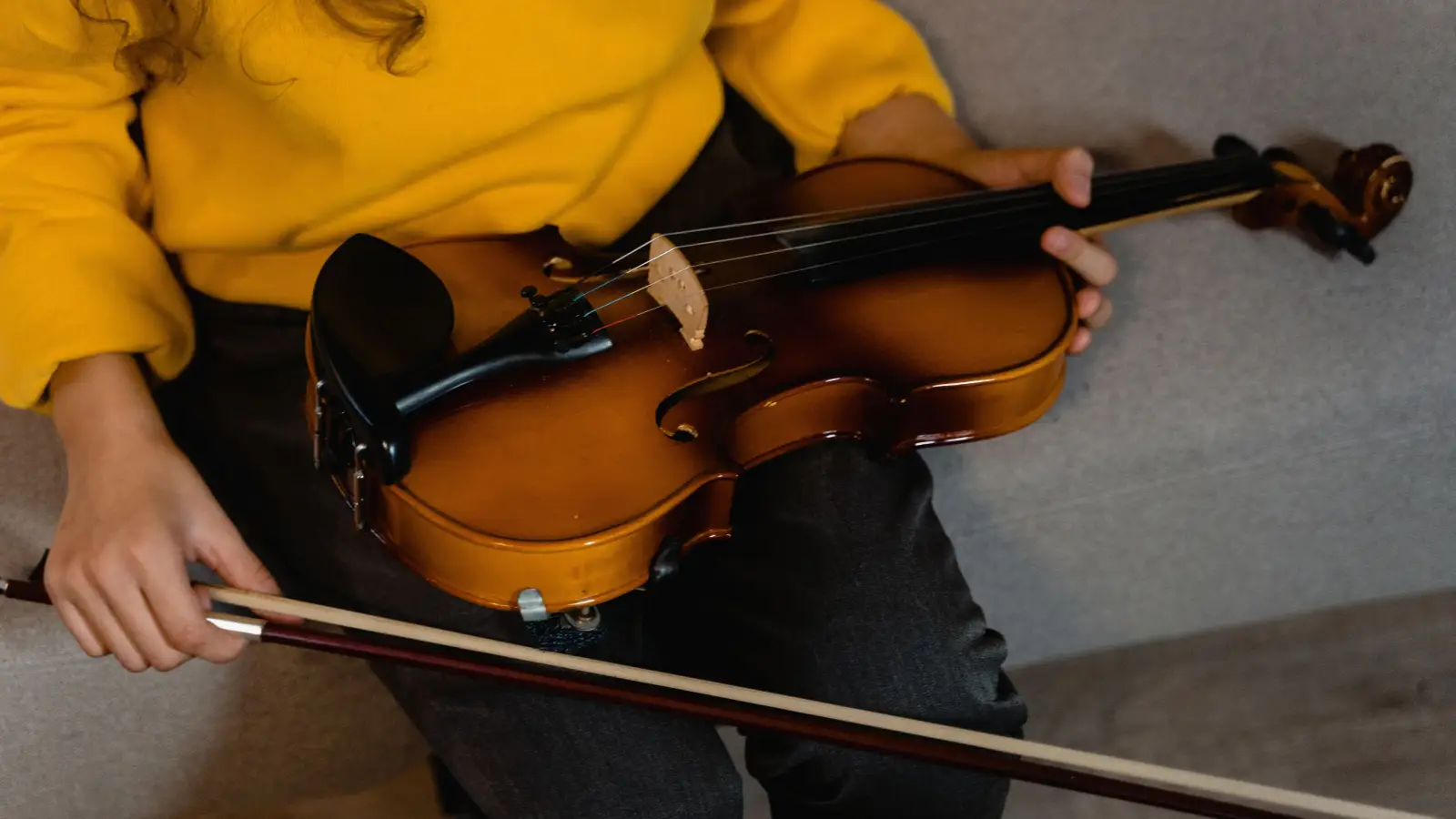
A violin that’s the wrong size doesn’t hide. Your body tells the story: a shoulder that won’t relax, a wrist that caves inward, fingers that can’t reach the scroll. These are the signs that matter, and they outrank any measurement chart.
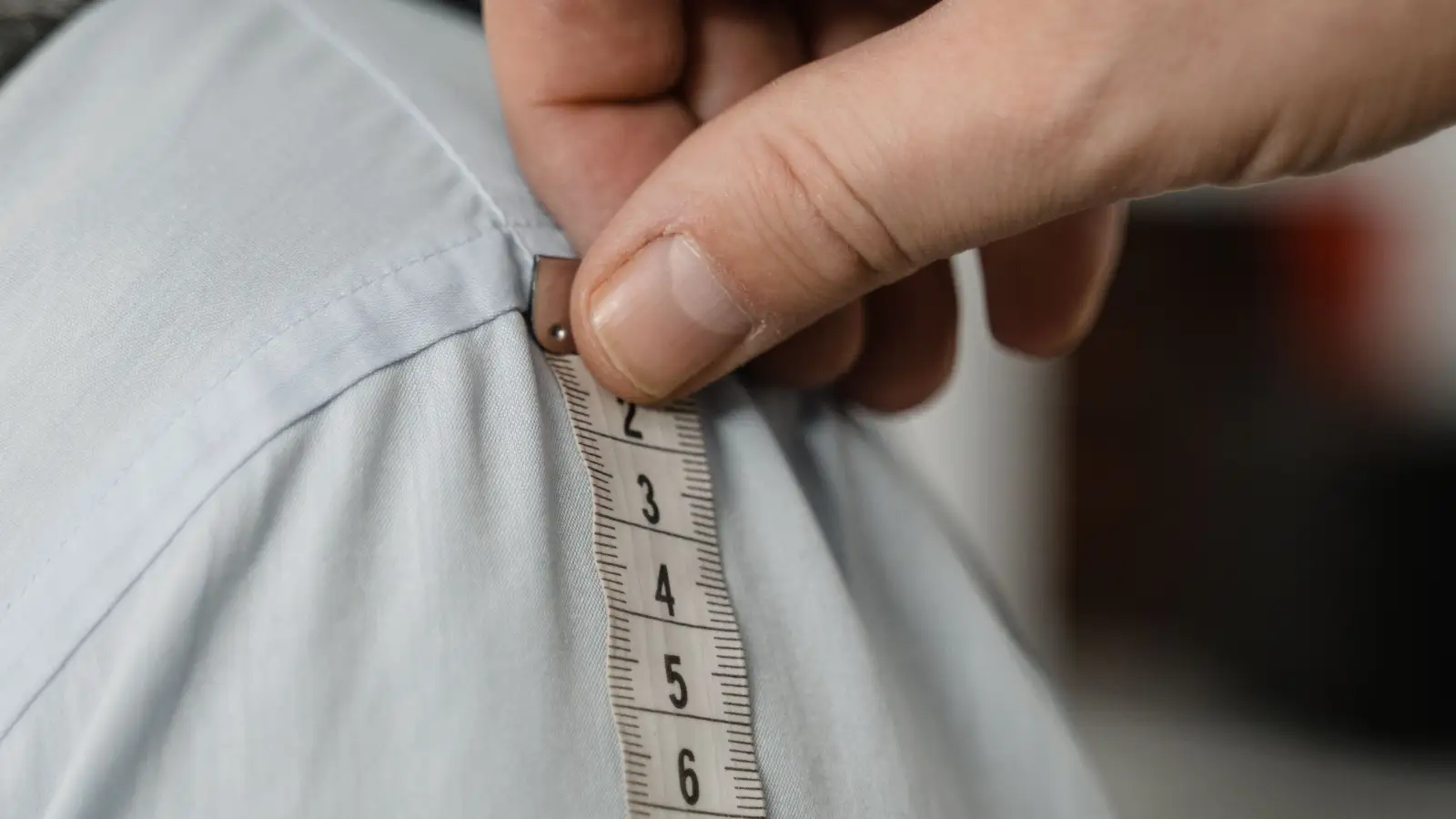
Sizing charts give you a number. They say nothing about how a child’s arm moves under tension or how an adult’s neck fills the chin rest. This article ranks five physical discomfort cues—from the most blatant you can spot across a room to the most deceptive—so you catch a size mismatch before it causes pain.
The 3 Factors That Determined This Order
Visibility: How clear the cue is to someone watching practice without any training.
Certainty: How directly the sign points to violin size rather than a fixable setup error.
Prevention Value: How much catching this early stops worse trouble later.
1. A Raised Shoulder You Can’t Talk Away
This is the non-negotiable. When the left shoulder sits visibly higher than the right and the player cannot drop it without the violin sliding off, the instrument is too big. You can see it instantly, and it almost never has another cause. It outranks every other sign because nothing else is as hard to miss or as tightly linked to size. A bent wrist might be hidden by an angled bow arm; a raised shoulder broadcasts itself from the first note. It earned the top spot because it is the only sign you can act on the moment you walk into the room.
2. A Bent Left Wrist That Won’t Straighten
If the left wrist collapses backward at the palm when fingers touch the fingerboard, the arm is overreaching. The violin is too long. This is the second most reliable physical cue because it appears during playing, not just in a setup check. It ranks below #1 only for one reason: a beginner on a correctly sized violin can still develop a collapsed wrist from poor hand shape. But see a raised shoulder and a bent wrist together? That’s a definitive mismatch, no guesswork needed.
3. The Scroll-Reach Test Fails
Cupping the scroll with curved fingers, elbow soft—if that’s impossible, the instrument length is wrong. The test is simple, but it demands a deliberate check, not something a parent catches during a regular lesson. That practical limitation pushes it to #3. It lands here because it is still more size-specific than a slipping violin: arm length doesn’t lie, but it requires you to stop and measure. That’s why it beats #4 but can’t match the effortless visibility of #1 and #2.
4. A Violin That Won’t Stay Put
Constant slipping off the shoulder is a real frustration. It often means the violin doesn’t fit the player’s neck and shoulder contour, which can trace back to a size problem. But the same symptom appears with a poorly adjusted chin rest or shoulder rest. Certainty takes a hit, so this sign lands at #4. It is worth investigating, but never use it as your sole basis for returning an instrument.
5. Neck or Jaw Pain Within Minutes
Pain is the last warning, not the first. By the time someone complains of neck or jaw ache after a few minutes of playing, the earlier physical cues have been on display for weeks. Its prevention value is zero—it signals the damage already starting. That’s why it sits at the bottom of this list. If pain is the only sign you notice, skip straight to a teacher or luthier; the early warnings were already missed.
The Real Drop-Off: After Sign #2, Certainty Collapses
The first two signs—raised shoulder and bent wrist—are the hill worth dying on. They rarely mislead. From sign #3 onward, each cause gets murkier. A failed scroll reach could be arm fatigue; slipping could be a cheap shoulder rest; pain could be poor posture on any size instrument. If you see sign #1 or #2, take immediate action. If you only notice signs #3 through #5, get a professional second look before you switch sizes.
Which Signs Demand Your Attention First, Based on Your Role
You’re a parent watching your child practice: Watch for #1 and #2 like a hawk. Both are visible from across the room, and catching them early almost always prevents the pain that hits later.
You’re an adult trying a rental violin: Test #1 the second you pick it up—can you relax your shoulder without the instrument dropping? Then run the scroll test from #3. A violin that clears both is probably right for you.
You’re already in pain: Forget the ranking and confront #5 directly. Get a teacher or luthier to inspect your setup. You’ve likely overlooked earlier cues, and you need an objective correction right now.
Questions Beginners Ask About Violin Size Warning Signs
Does a bent wrist always mean the violin is too big?
No. A beginner can bend the wrist from weak fingers or a misplaced thumb. But on a rental instrument, it is the first suspect. Swap to a smaller size; if the wrist straightens, you have your answer.
Can a shoulder rest fix a raised shoulder without changing violin size?
It can fill empty space, but it cannot shorten the body. When the arm must stretch too far to reach the fingerboard, the shoulder rises regardless of the rest. No accessory overrides geometry.
What if my child’s teacher insists the size is fine but I still see these signs?
Teachers see the lesson; you see the daily grind. Record a video of the raised shoulder or bent wrist and ask the teacher to watch for that specific issue. A second opinion from a violin shop also cuts through doubt.
The raised shoulder is the deal-breaker. If it won’t drop, downsize. The one case where you might override this rule: a teacher or luthier has evaluated the player’s build and confirmed the size is correct, and the shoulder lift is a postural habit that practice can fix without downsizing. In every other situation, trust the body over the chart.