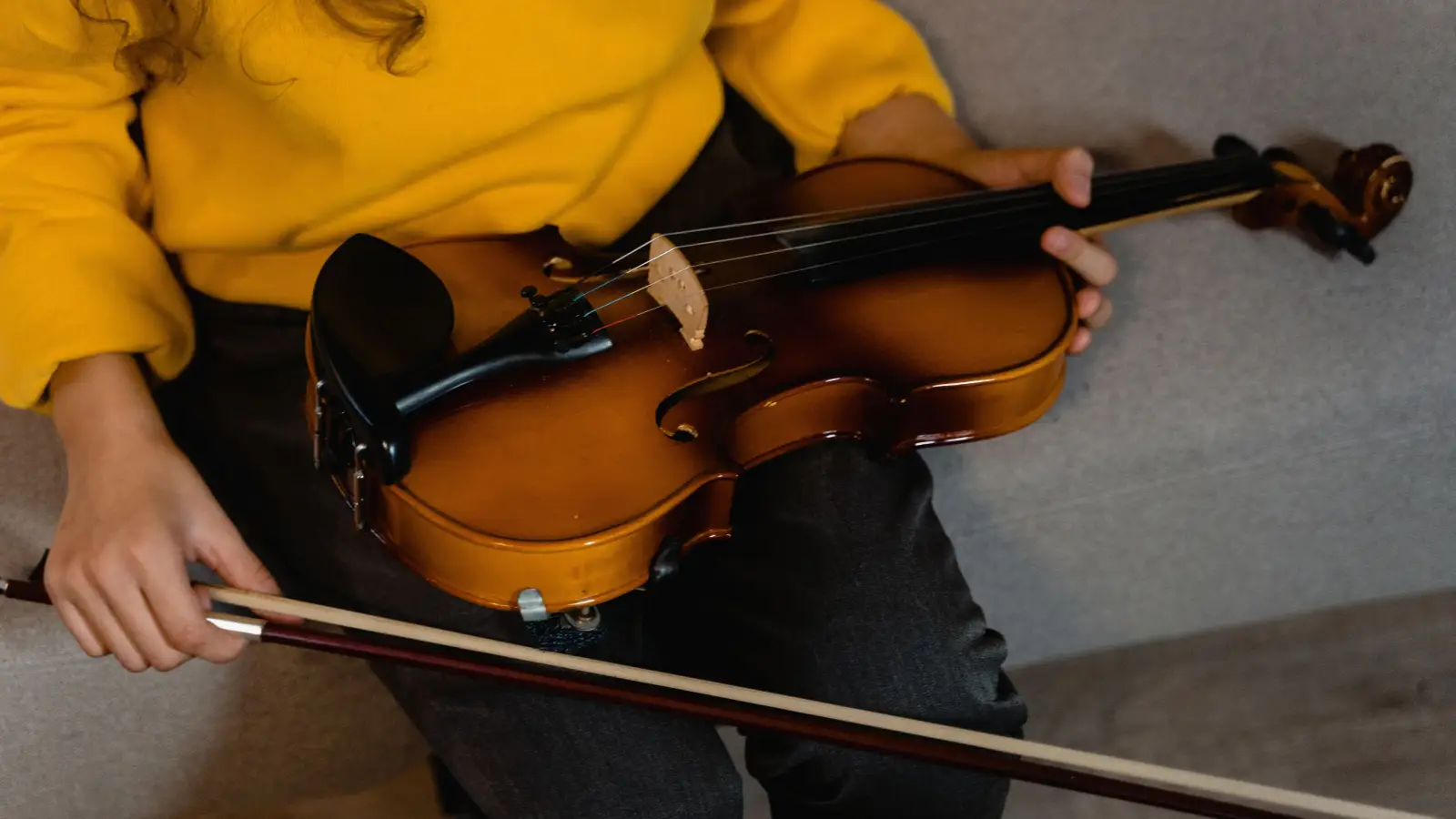
If a 9‑year‑old’s arm measures 22 inches, that child needs a 4/4 violin regardless of what the age chart predicts. If a 10‑year‑old’s arm measures 19 inches, they still require a ½ size. Arm length—not the number of candles on a birthday cake—determines which violin a child can hold without strain. Age‑based charts work only when a child’s growth curve sits squarely on the 50th percentile. For everyone else, the chart is a guess that frequently fails.
Why a 7‑Year‑Old Can End Up with a ½‑Size Violin
The parent follows the chart, brings home a ¼‑size instrument, and the child’s left arm refuses to straighten comfortably around the scroll. The chart said ¼ for that age, but the child’s arm is two inches longer than the average for their age group. Age‑based charts assume a narrow distribution of limb lengths. Yet arm length at any given age spans a wide normal range—a 7‑year‑old can measure anywhere from roughly 17 to 21 inches from neck to mid‑palm. If the chart’s prediction was wrong, it isn’t because the chart was poorly designed; it’s because no chart can predict an individual’s measurement. The error is in relying on a population average to fit a single child.
A 3‑Step Process That Uses Measurement Instead of Age
Replace the age reference with a direct physical check. This takes under two minutes and removes the guesswork.
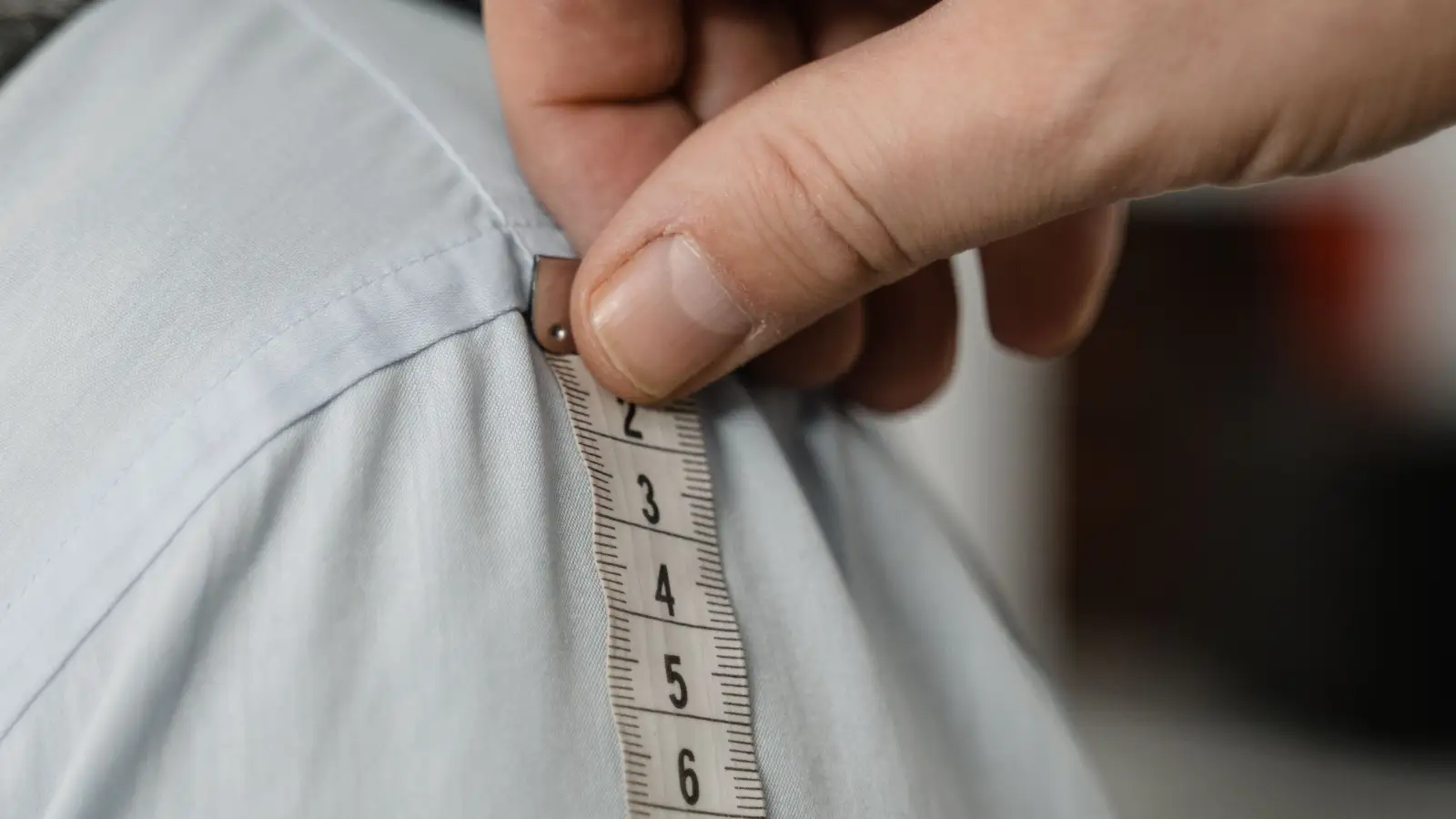
- Measure arm length. Have the child stand upright, left arm raised to the side at shoulder height, palm turned upward. Run a soft measuring tape from the notch just above the sternum (base of the neck) to the center of the palm. Do not wrap the tape around the hand—stop at the palm’s middle crease.
- Convert the measurement to a violin size. Use these ranges (they are approximate, not manufacturer‑specific): 15–16½ in → 1/10; 16½–18 in → 1/8; 18–19½ in → 1/4; 19½–21 in → 1/2; 21–22½ in → 3/4; over 22½ in → 4/4. If the measurement sits exactly on a boundary, lean toward the smaller size.
- Perform the scroll grasp test. Place the violin on the child’s shoulder. Ask the child to wrap the left hand around the scroll, keeping the elbow unlocked and the wrist straight. If the elbow must lock to reach, or if the fingers cannot curl naturally over the scroll, the instrument is too large. If the arm bends sharply and the hand crowds the pegbox, it is too small. This test catches fit problems that a tape measure alone will miss, especially when a child’s hand proportions differ from the arm‑length norm.
When Age Charts Lead You Wrong: Causes and Fixes
The Arm Length Disconnect: Why the Chart Got It Wrong
The most frequent failure is a mismatch between a child’s actual arm length and the average the chart represents. Some children hit growth spurts early; others lag. There is nothing abnormal about either—it simply places them outside the chart’s assumed range. Confirm the discrepancy with a careful measurement. If the number lands firmly in a different size category than the age chart indicated, the measurement is the more reliable guide. Exchange the instrument for the correct size. Most rental programs permit size swaps without penalty, so the misstep costs only the time it takes to visit the shop.
Hand Dimensions: When Fingers Can’t Keep Up with the Arm
Arm length determines whether the violin can be held on the shoulder, but it says nothing about whether the left hand can navigate the fingerboard. A child with a long arm and small hands might place the violin correctly yet still struggle to separate the first and second fingers enough to play in tune. Age charts incorporate zero information about hand span. Test this by having the child set the first finger on the A string about an inch and a half from the nut. If the pinkie must over‑extend to reach its note, the violin may be too large for the current hand size, even though the arm measurement says it fits. In that case, choose the smaller of two borderline sizes. Alternatively, inquire about student violins with narrower necks; some brands shave a few millimeters off the fingerboard width, which can help small hands without compromising arm fit.
Posture and Strength: The Measurement Was Correct, So Why Does It Feel Wrong?
A violin that measures right can still feel uncomfortable when a child lacks the postural strength to support it. A beginner’s default stance—slumped shoulder, tilted head, locked jaw—makes any size feel unwieldy. This is not a sizing problem; it is a physical readiness gap. Observe the child holding the violin in playing position for 60 seconds without the bow. If the scroll gradually dips, the shoulder collapses, or the child complains of neck tension, the issue is likely setup or strength, not instrument dimensions. Adjust the chin rest and shoulder rest first. A taller chin rest compensates for a long neck, and a contoured shoulder rest fills the space between collarbone and jaw. Then introduce short, frequent practice sessions—five minutes, three times a day—to build endurance. Only if discomfort persists after three weeks of consistent, adjusted practice should the violin size be reconsidered.
Edge Cases Where Standard Fractional Sizes Fall Short
Some children land squarely between fractional sizes even after precise measurement. An arm length of 21 inches sits exactly on the ½/¾ boundary. The safest approach is to use the smaller size with a setup tweak: raise the chin rest slightly and, if the bridge allows, add a small shim under the tailpiece side to increase the playing angle. This buys a few months until the child grows that additional quarter inch. The alternative—forcing the larger size—invites chronic shoulder tension.
A child with a long neck relative to arm length presents another edge case. The standard chin rest may sit too low, causing the violin to slide forward or the shoulder to hunch to close the gap. The fix is a taller chin rest, not a larger violin. Luthiers stock chin rests in several heights, and swapping one takes minutes.
Double‑jointed fingers that collapse at the proximal interphalangeal joint can make a correctly sized violin feel unplayable because the fingertip lands at the wrong angle. No size change fixes this; targeted hand‑strengthening exercises under a teacher’s supervision do. Size adjustments for hypermobility often backfire because they introduce even more compensation patterns.
Preventing Future Sizing Surprises
Children’s limbs grow in short, uneven bursts. To keep the violin sized correctly, re‑measure arm length every three to four months. Use the exact same posture and measuring point each time; document the date and the number. When the measurement moves solidly into the next size bracket, begin the transition. Renting from a shop with an exchange program is the most practical choice—it absorbs the cost of multiple size changes. If you own a fractional instrument, ask about trade‑in policies toward larger sizes before buying. A teacher’s periodic check of the child’s playing posture can flag a size issue several weeks before the child notices discomfort.
Frequently Asked Questions About Violin Sizing
What if my child is between two violin sizes?
Select the smaller instrument. Holding a violin that is too large creates continuous tension in the shoulder and neck, which leads to bad habits and potential strain injuries. A slightly smaller violin will be outgrown naturally, and no harm comes from playing an inch undersized for a few months.
Does my child’s age matter at all when choosing a violin?
Age offers a rough estimate when no measurement is possible—for example, when ordering a gift online without the child present. But once the child can stand still for a measurement, age becomes irrelevant. The measurement supersedes any age‑based chart.
Can a violin that’s too large cause injury?
Yes. Over‑reaching to grasp the scroll strains the shoulder capsule, neck muscles, and wrist extensors. Left uncorrected, such strain can progress to tendonitis or chronic postural asymmetry. A correctly sized instrument lets the arm hang naturally and the hand fall onto the fingerboard without effort.
How often should I re‑measure my child for a violin?
Every three to four months, and additionally whenever you notice a sudden growth spurt (clothes becoming too short overnight). Seasonal checks align with typical growth patterns and prevent the child from playing on an undersized or oversized instrument for long.
If Measurements and Trials Don’t Resolve the Problem
When precise measurement, size swaps, and setup adjustments still leave the child struggling, the next step is a professional fitting. A violin teacher or luthier can watch the child play and identify whether the issue is the violin’s dimensions, a specific ergonomic mismatch, or a technique deficit. Some children need a custom‑carved chin rest, a modified shoulder rest angle, or a higher‑arched bridge to match their physique. A professional can also tell you definitively whether another size change would help—and can save you from cycling through ever‑more fractional sizes when the real problem sits elsewhere.