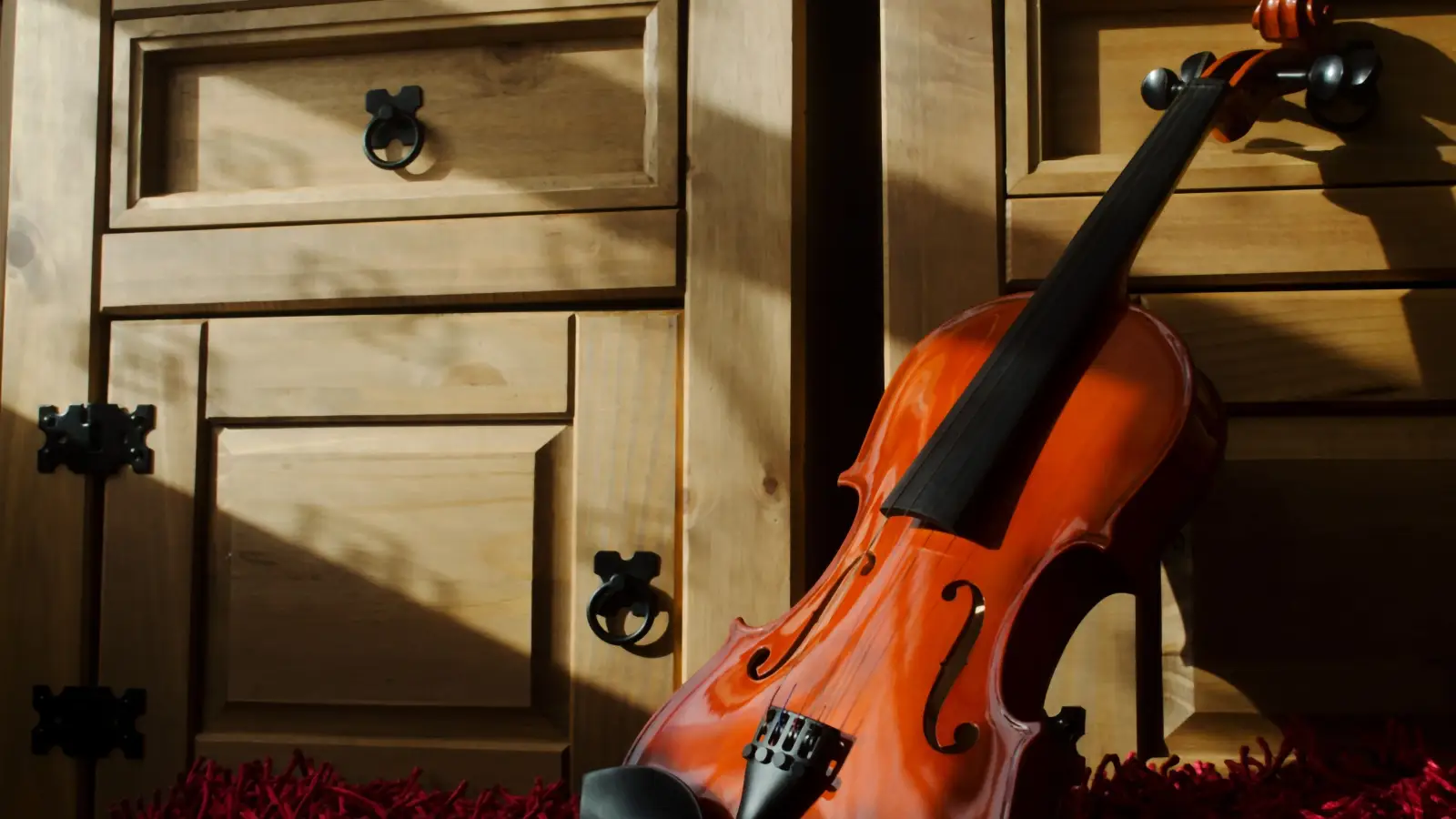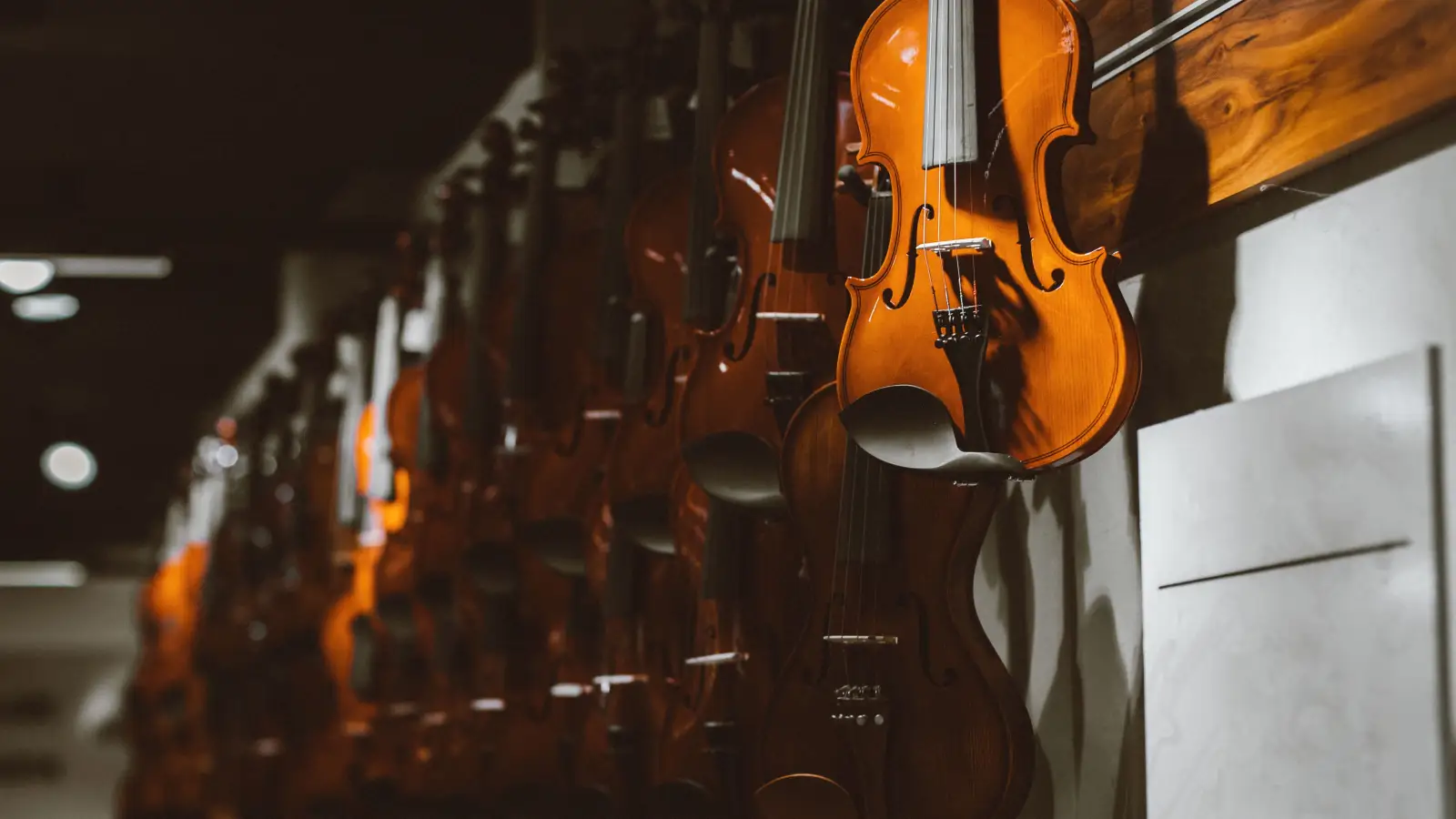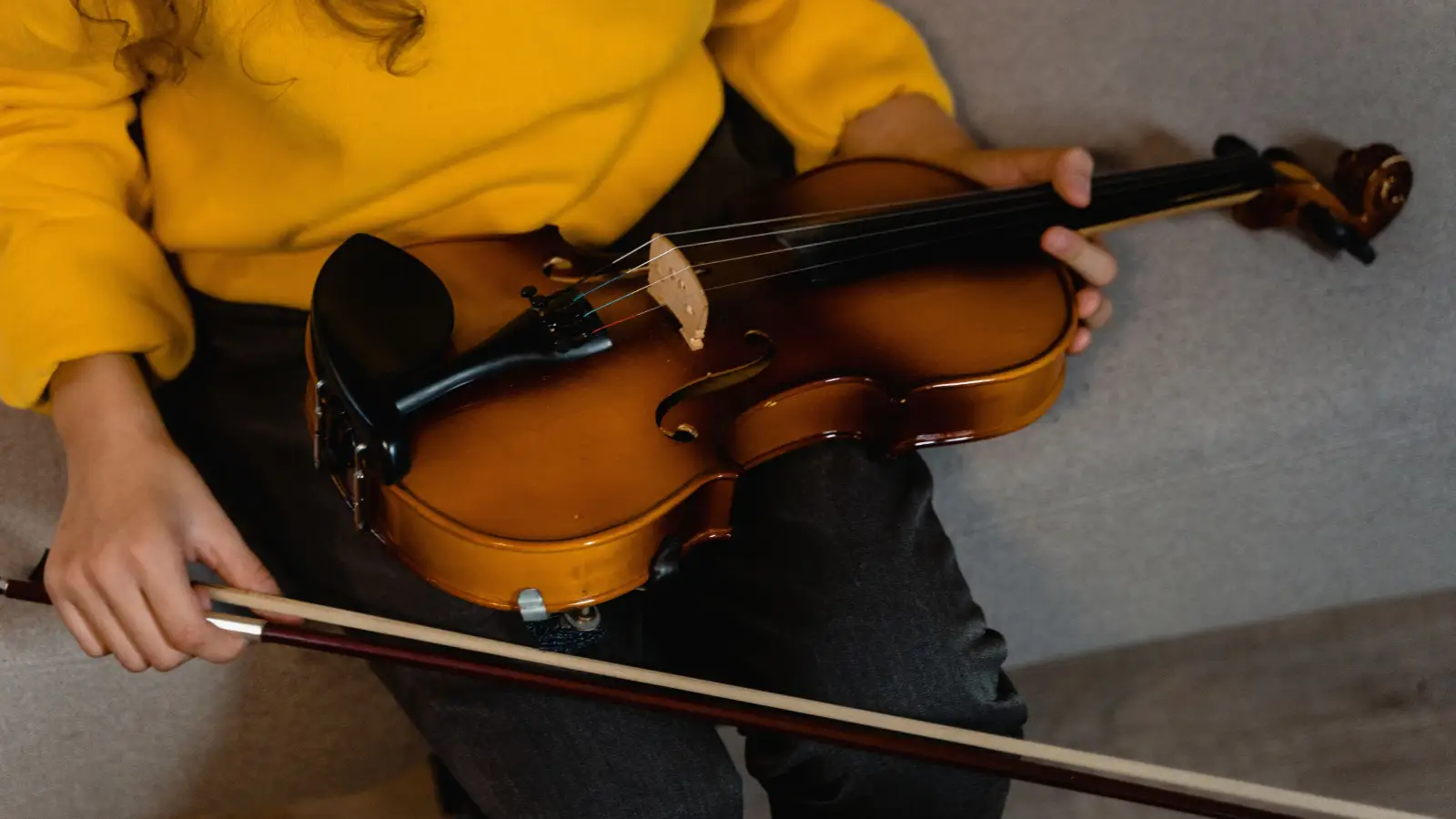
How much does a violin cost? A beginner violin that stays in tune and is playable costs $250–$500 to purchase, but the total first-year expense, including setup, bow, case, and required accessories, ranges from $400 to $1,200. The price listed online rarely reflects the actual outlay because quality tier, manufacturing origin, post-factory adjustment, and a set of necessary extras determine the final amount. This article explains those layers so you can calculate an accurate budget and avoid paying for an instrument that cannot function as a violin.
The $200 Trap: Why the Online Price Doesn’t Equal What You’ll Pay
A new player often sees online listings from $49 to $3,000 and assumes $100 will be adequate. That assumption leads to a common outcome: the instrument arrives with a bridge that requires carving, pegs that slip, strings that produce little sound, and a bow so poorly balanced it prevents a straight tone. After a luthier performs the setup—bridge reshaping, nut slot filing, peg fitting, soundpost adjustment—the owner pays $80–$150 for labor, often exceeding the instrument’s price. The total cost of that low-priced outfit then grows higher than the cost of a properly prepared student violin that was ready to play on arrival. The difference is not about shipping or retailer markup. It is about the factory’s incomplete work. A violin shipped without final setup is not a finished product; comparing its price to that of a setup-ready instrument is comparing two different categories of goods.
The Four Quality Tiers That Set Your Price Range
Rather than seeking one price, organize violin costs into four quality levels. Each level reflects the materials, labor, and finishing the instrument receives, and each has a predictable cost range for beginners.
Tier 1: The $50–$150 VSO (Violin-Shaped Object)
These instruments use soft, poorly seasoned wood, a thick glossy finish that dampens vibration, and hardware that does not fit correctly. The bridge may be an uncut blank, the pegs too large to turn with normal pressure, and the fingerboard painted rather than made of ebony. Even after adjustment, most cannot hold stable intonation. For a beginner, they produce sound so inconsistent that the player may mistakenly believe the fault lies with their own ability. Avoid this tier entirely.
Tier 2: The $200–$600 Factory Outfit
This is where playable beginner instruments begin. Factories in China and Eastern Europe produce these violins with standardized processes. They use solid maple and spruce, and the fingerboard is ebony or a hard, dark substitute. The outfit includes a bow and a case. A professional setup, costing an additional $50–$150, makes these instruments functional. After setup, a tier 2 violin can serve a student for two to three years. Typical price points for a setup-ready package from a violin shop or specialized online retailer range from $300 to $500.
Tier 3: The $800–$2,500 Workshop Violin
Instruments in this tier receive more individual attention during construction. Smaller workshops in Romania, China, or Bulgaria employ luthiers who thin the plates by hand and select wood more carefully. The result is better resonance, quicker response, and a wider tonal range. For an adult beginner committed to long-term study, this tier eliminates the need for an early upgrade. Many rental programs allow credit toward a violin in this bracket.
Tier 4: $3,000+ Handmade Beginner Instrument
A violin built primarily by one maker—often in the United States, Germany, Italy, or through a modern bench maker—starts at this price. For a beginner, buying at this level is usually unnecessary, but the tier is worth knowing because advanced student rental programs often aim toward instruments in this range. These violins respond more easily to subtle bow pressure and produce a richer sound. They retain value and can serve for decades.
Where Your Violin Was Made Matters More Than the Badge on the Scroll
Origin affects cost more directly than a brand label. A violin labeled “Stradivarius copy” tells you nothing about quality; the country where the instrument was made provides useful information. Chinese workshops dominate the student market because of efficient production and skilled labor. In tier 2, a $400 Chinese workshop violin often matches the playability of a similarly priced European instrument from decades ago. Eastern European workshops, particularly in Romania and Bulgaria, produce tier 3 instruments with a warmer, more complex tone due to local wood and craft traditions. German-made student violins, often priced between $1,200 and $3,000, command higher prices because of their historical reputation and consistency. The country of origin does not guarantee superiority, but it indicates the type of labor and wood that contributed to the cost. When a shop states “handmade in China” versus “workshop in Reghin,” you obtain a clearer signal about cost structure than any model name.
The $150 Difference: Why Setup Is Not Optional
The most frequently overlooked cost in a beginner’s budget is setup—the luthier’s work required to turn a violin that lacks adjustments into a responsive instrument. A violin shipped directly from a warehouse almost never arrives playable.
What a Proper Setup Includes
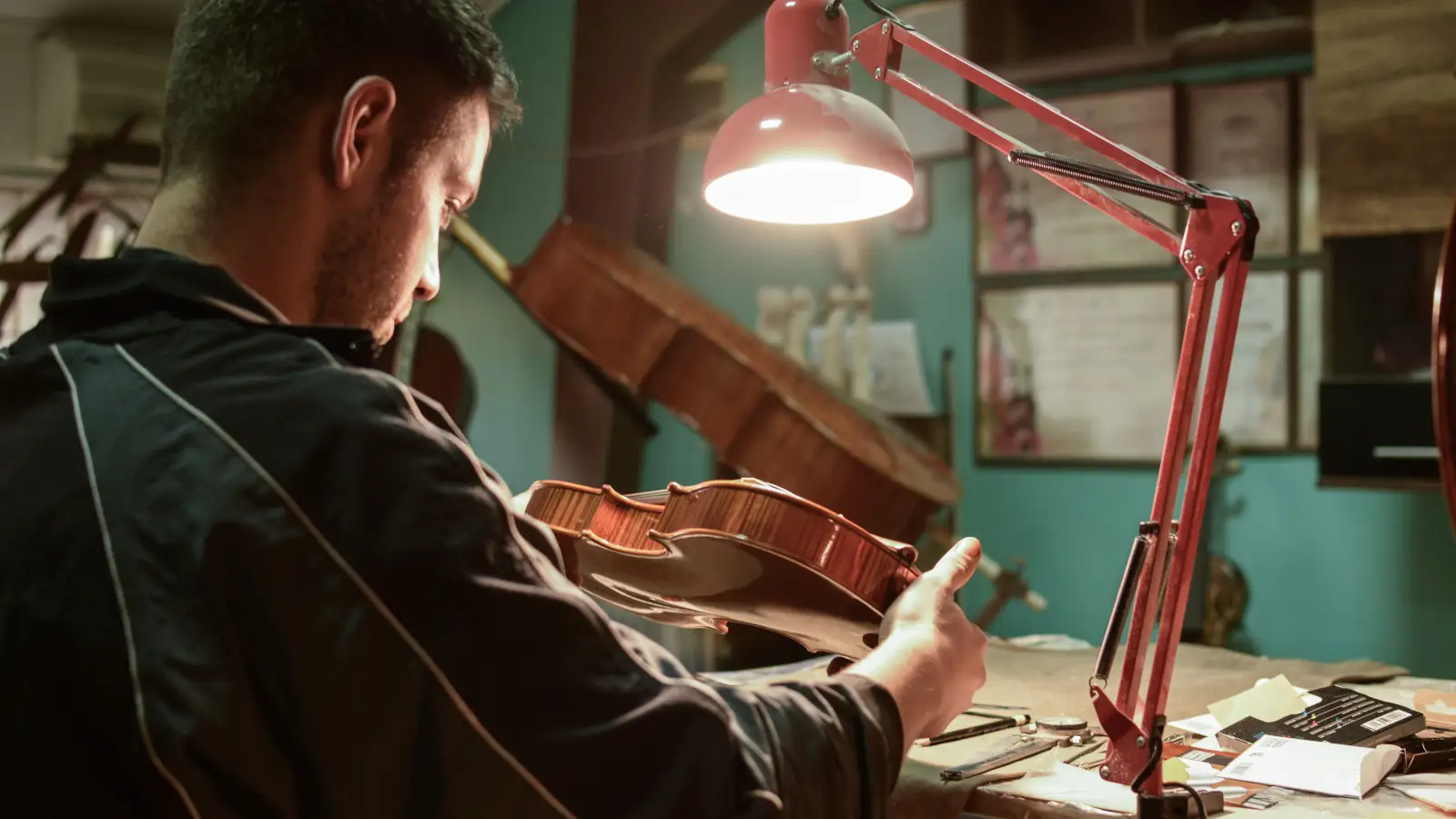
A functional setup addresses every contact point between the player and the instrument: the bridge blank is carved to match the fingerboard radius and string height, the nut slots are filed to the correct depth and spacing, pegs are fitted with compound so they turn smoothly without slipping, the soundpost is cut and positioned inside the body to balance tone and projection, and the strings are replaced with a set that responds evenly. This work typically takes a luthier 1.5 to 2.5 hours and costs $80–$150, depending on local rates and the amount of correction needed.
The Cost of Skipping It
Without a setup, string height is usually too tall, making the violin painful to press and causing intonation problems. Stubborn pegs cause frequent tuning interruptions. A bridge that is not properly fitted warps within months. The player—particularly a beginner—may assume the struggle is a personal failure. Spending $100 on setup brings a $300 factory instrument to a playable state that feels close to a $500 violin. Skipping it renders even a $500 instrument a daily obstacle. Many violin shops include setup with the purchase. Online string specialists often ship instruments after at least a basic shop adjustment. Always ask: “Has this instrument been set up by a violin specialist, and what specifically was done?” The answer reveals whether the listed price covers a ready-to-play item.
Six Essentials That Double Your Starter Budget
When a beginner checks the price of a violin, the figure usually represents the outfit. That outfit may include a bow and case, but their quality varies, and several other items are absent. Include these in your budget from the start.
- Bow: The included bow with a tier 2 outfit is often heavy and poorly balanced. A functional student bow starts at $50 (carbon fiber or brazilwood) and a noticeable upgrade costs $100–$250. A bad bow forces excessive tension in the right hand and hinders tone production.
- Case: Basic foam cases protect against dust, not impact. A shaped hard case with suspension padding and shoulder straps costs $60–$120 and prevents cracks from knocks.
- Shoulder rest: A Kun or Everest rest ($25–$40) makes the violin stable on the collarbone. Playing without one leads to neck tension and poor posture.
- Rosin: A cake of usable rosin costs $8–$15. Cheap rosin produces gritty dust and poor grip.
- Extra strings: A spare set of synthetic-core strings (Dominant, Tonica, or similar) costs $40–$60. Strings break or lose tone, and a spare set avoids practice interruptions.
- Tuner/metronome: A clip-on chromatic tuner ($15–$30) and a metronome ($15–$25) develop accurate pitch and rhythm. Free phone apps exist, but a dedicated device minimizes distraction.
Add these together, and you will spend $100–$350 beyond the instrument price just to equip a practice corner that supports progress.
Renting vs. Buying: The Numbers That Help You Decide
For a beginner unsure about long-term commitment, renting often costs less than buying—even a $300 outfit. Rental programs through local shops or national mail-order services charge $15–$35 per month for a setup-ready instrument, with a portion of the fees accumulating as credit toward a future purchase. Many programs include free string replacements, bridge adjustments, and damage coverage. Over 12 months, $25/month totals $300, and if the shop credits 50–70% toward a buyout, the net cost is roughly $150 for a year of use. Compare that to buying a $400 factory violin, paying $100 for setup, $75 for a bow upgrade, and $50 for accessories—a total of $625—only to discover after six months that the size is wrong or the interest fades. Rental also solves the sizing problem for children; the instrument can be exchanged for the next fractional size without additional cost, while a purchase requires selling or trading. For an adult committed to at least two years, purchasing a tier 2 violin after renting can break even. Rent first, then buy with credit once you know what works.
Your Violin Budget at a Glance: The True Cost of Starting
- A playable, setup-ready beginner outfit costs $250–$500 to purchase.
- Budget $100–$350 for accessories beyond the instrument.
- Setup is the factor that determines whether a beginner can learn; never skip it.
- Renting for 6–12 months often saves money and reduces the risk of a wasted purchase.
- Avoid instruments under $150 unless they are explicitly sold as setup-ready from a trusted shop.
Beginner Questions About Violin Costs
Can I start learning on a $50 violin from Amazon?
The instrument is almost always a VSO: thick finish, poorly fitted pegs, and a bridge that requires near-total reshaping. Even a luthier’s intervention rarely makes it stable enough to stay in tune for a practice session. The money is better put toward a rental.
How much should a child’s first violin cost?
For a school-aged child, renting ($20–$30/month) is the most practical approach due to frequent size changes. If buying, a properly set up fractional outfit from a string specialist costs $250–$400, and with a bow upgrade and shoulder rest, the total initial cost is about $400–$500.
Is buying a used violin safe for a beginner?
A used violin can be economical if purchased from a shop that has inspected and adjusted it. Avoid online private sales unless an experienced player can evaluate the instrument. Common hidden issues—open seams, invisible cracks, a warped neck—often cost more to repair than the instrument’s price.
Do I need to spend a lot on a bow right away?
No. A carbon-fiber or brazilwood bow costing $50–$100 works well for the first year. The free bow included with a $200 outfit is usually worth replacing because it restricts sound production, causing the player to assume the fault is in their technique.
Your Next Move: Building a Realistic First-Year Budget
The most productive next step is to write down three budget numbers: instrument cost, setup cost, and accessory cost. If you are unfamiliar with local options, call a violin shop and ask about rental programs that apply credit toward a step-up instrument. That conversation will reveal actual expenses in your area and often connect you with an instrument that has already been professionally adjusted. Treat the listed price as one variable in a system. The violin that feels comfortable under the chin and stays in tune during practice comes from that system, not from searching for the lowest number. Start with a rental or a shop-setup outfit, and set your budget to reflect the real cost range you now understand.