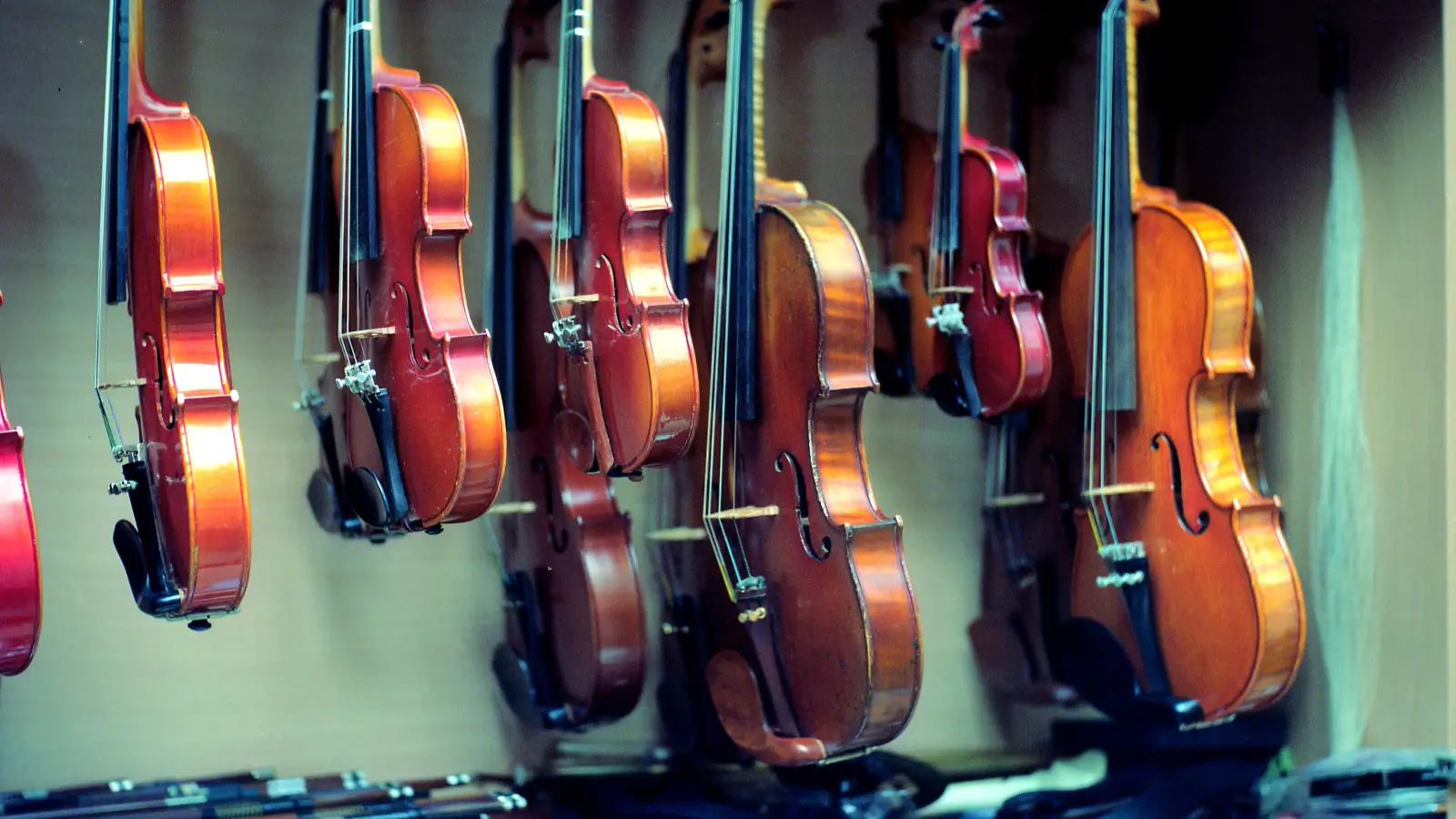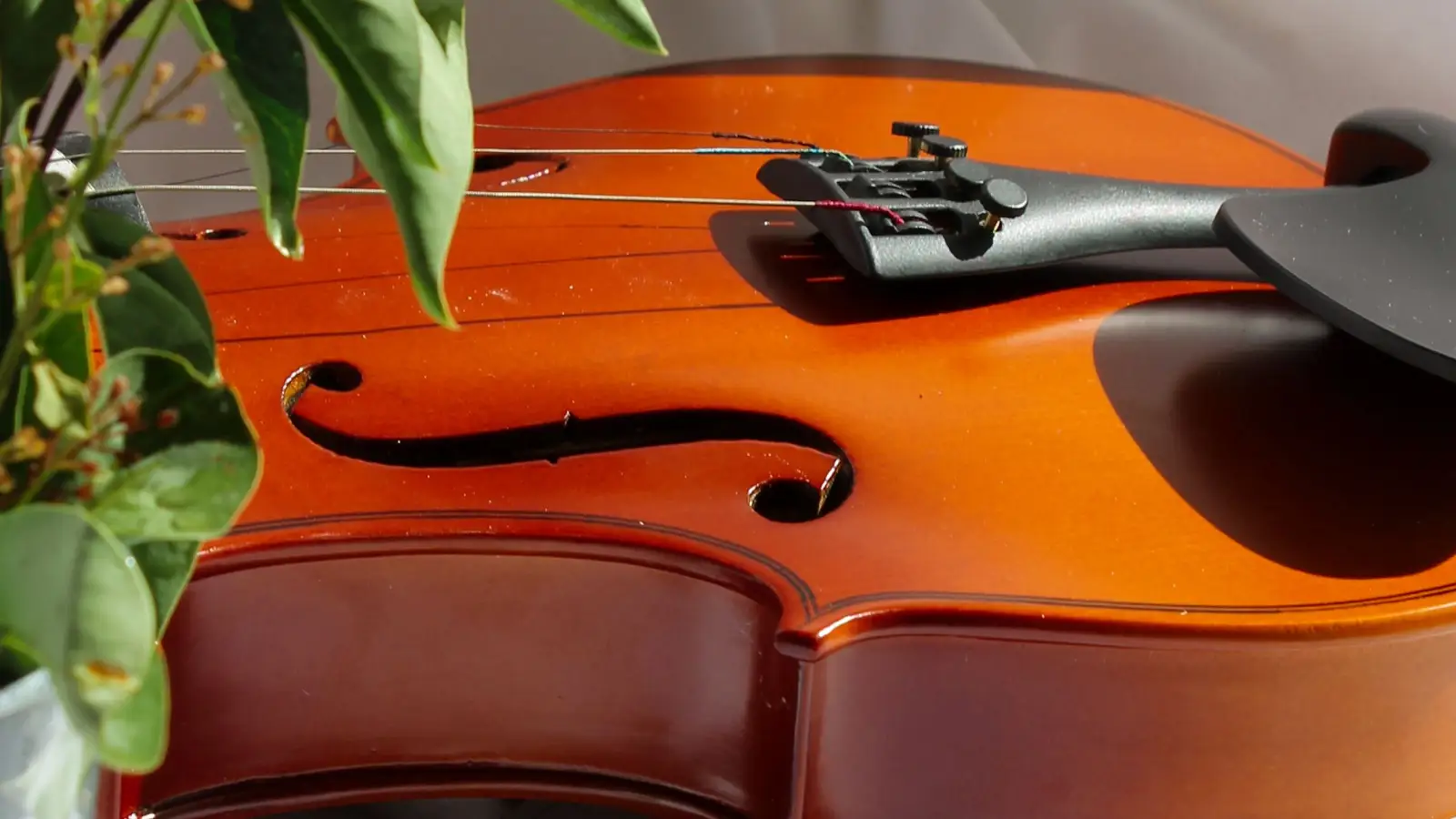
A 5-minute daily violin cleaning routine for beginners starts by wiping down the strings and fingerboard with a dry microfiber cloth, followed by a quick pass over the bow stick and the instrument's body to remove fresh rosin dust before it hardens. This prevents tone-deadening buildup and keeps the violin in playing condition.
Rosin dust settles on the strings, fingerboard, and body during practice. If left overnight, it binds to the varnish and metal, creating a layer that dulls the sound and becomes increasingly difficult to remove. The 5-minute window right after you finish playing is the critical period when a few swipes of a cloth do the work that later would require solvents and scrubbing.
The 5-Minute Routine at a Glance
- Wipe down all four strings with a clean, dry microfiber cloth.
- Pass the cloth over the fingerboard and under the strings.
- Run the cloth along the bow stick (not the hair).
- Wipe the violin's top, back, ribs, and chinrest.
- Inspect the bridge and wipe away any visible dust.
- Store the violin in its case with the bow loosened.
Step-by-Step Cleaning Sequence
Wiping Down the Strings
Take a dry microfiber cloth and pinch it around each string individually, running from the pegbox down to the bridge. Use light pressure—enough to lift rosin dust without forcing it into the windings. The cloth should glide; if it snags, you are pressing too hard. Work all four strings in the same direction to avoid pulling rosin back toward the fingerboard.
If the strings still feel tacky after one pass, wipe them again. Fresh rosin lifts easily. If the tackiness does not lift at all, the rosin may have already hardened on the surface. This routine is designed to prevent that, but if you are starting from a neglected instrument, a one-time deeper cleaning—using a soft-bristled brush or a specialized rosin remover—will be needed to reset the surface. After that, the daily routine will keep it from returning.
Cleaning the Fingerboard and Under the Strings
Slide the cloth between the strings and the fingerboard, working from the nut down to the end of the fingerboard. Use a gentle back-and-forth motion. Rosin dust collects here and will migrate onto the strings if left. Pay attention to the area right next to the bridge, where bow contact is heaviest.
For hard-to-reach gaps, fold the cloth to a point or use a clean, soft-bristled brush (a dry makeup brush works). Never use water or solvent on the fingerboard during daily cleaning; that would strip the natural oils and cause cracking over time.
Polishing the Bow Stick
The wooden stick itself attracts rosin dust from the air and from handling. Run the dry cloth along the length of the stick, avoiding the hair. Start at the frog and move up to the tip, turning the bow as you go to cover all sides. The varnished surface releases dust easily—one pass is typically enough.
If you see dust caked near the frog or tip where the bow is handled, spend a couple of extra seconds there. This prevents the dust from transferring to the case or other parts of the instrument.
Wiping the Body and Chinrest
Rosin clouds land on the top plate, and your chin leaves oil on the chinrest. Wipe the top, back, and ribs with the same dry cloth, using broad, light strokes. For the chinrest and tailpiece, a bit more pressure is acceptable because these are less fragile than the body. If you use a shoulder rest, detach it and wipe it down as well; rosin dust can accumulate at the contact points.
If you notice a faint white film on the varnish that a dry cloth doesn't lift, it is likely ingrained rosin that requires periodic cleaning with a specialized violin cleaner. Do not use household polish or water—those can damage the varnish or cause swelling.
Inspecting and Dusting the Bridge
The bridge is delicate. Look at its top edge and the notches where the strings sit. Dust often collects there and can muffle the string vibration if allowed to build up. Use the corner of the cloth or a soft brush to gently flick away any powder. Do not apply downward pressure; the bridge is held in place only by string tension and can shift out of alignment.
If the bridge looks crooked or leaning, that is a separate issue best left to a teacher or luthier. Daily dusting does not include repositioning it.
Storing the Violin Properly
After cleaning, loosen the bow hair by turning the screw counterclockwise until the hair touches the stick or sags slightly. Place the bow in the case holder, then set the violin in its compartment. Close the case latches. Leaving the bow tightened over time warps the stick and stretches the hair unevenly.
If the case has a humidity control packet, check that it is still active—no extra time needed, just a quick glance.
Checking Your Work
After completing the routine, run through these quick visual checks:
- Strings: They should look clean and reflective, with no white residue along the windings.
- Fingerboard: When you tilt the violin, the fingerboard surface should appear dark and even—no powdery streaks.
- Bow stick: Run your hand near (not on) the stick; you should not see dust lift into the air. The wood should have a subtle sheen.
- Body and chinrest: A light inspection should show no fingerprints, smudges, or visible dust spots.
- Bridge: The notches should be free of debris, and the surrounding wood should look clean.
If any of these are not met, repeat the corresponding step immediately. It takes only a few extra seconds.
When the Routine Doesn't Go as Planned
The Microfiber Cloth Leaves Lint Behind
Some new cloths shed fibers. Wash the cloth once before first use to reduce lint, and avoid fabric softener—it can deposit a film. If lint still appears on the strings, switch to a different, tightly-woven microfiber or a clean cotton cloth until you can replace it.
Smearing Instead of Removing Rosin
If the cloth smears rosin without lifting it, the cloth is likely too dirty or damp. Rosin needs a dry, clean surface to be attracted to the cloth fibers. Switch to a fresh cloth or a clean section of an existing one. Do not add water; moisture turns rosin into a sticky paste that is even harder to remove.
Accidentally Touching the Bow Hair
If your hand or the cloth contacts the hair, stop immediately. Do not try to wipe off the hair—that will just push oil and dust in. A small amount of incidental contact won't ruin it, but if you see a dark mark, the hair may need a more thorough cleaning later. Note it mentally and address it during a monthly maintenance session.
Forgetting to Loosen the Bow
If you catch it even hours later, loosen the hair as soon as you remember. A few hours under tension is not catastrophic, but repeated neglect will warp the stick. Make it a habit: loosening the bow is the last step of the routine, so do it before closing the case.
FAQ
Can I use a damp cloth to clean my violin?
No. Water and violin varnish do not mix—moisture can seep into seams, cause swelling, or cloud the finish. Always use a dry cloth for daily cleaning. Specialized violin cleaners exist for periodic deep cleaning, but even those are applied sparingly with a damp (not wet) cloth and immediately buffed dry.
How often should I clean the bow hair?
The bow hair does not need daily cleaning. Rosin is intentionally applied to the hair for friction. Over time, hair can become oversaturated, but that is addressed monthly or when the hair loses grip. Cleaning the bow hair is a separate task best done by a violin shop if you are unsure.
What if the rosin is already caked on the strings?
If the rosin has hardened into a white crust, a dry cloth alone won't remove it. Apply a small amount of specialized string cleaner or a very gentle rubbing with a cork or a soft eraser (materials often used by experienced players) to break the layer. Do this once, then the daily routine will keep it from returning. Never scrape with a metal object.
Do I need to use violin polish every day?
No. Daily wiping with a dry cloth is enough to keep the varnish clear. Polish is for occasional use—no more than once every few months—and should be specifically formulated for violins. Household furniture polish can contain silicones that seep into the wood and affect resonance.
Can I use household cleaning products, like glass cleaner, on my violin?
Absolutely not. Ammonia, alcohol, and solvents in household cleaners will strip varnish and can permanently damage the instrument. Stick to a dry microfiber cloth and, when needed, products sold by violin supply shops.
With this 5-minute habit, your violin stays clean, responsive, and ready for the next practice session. Next, establish a weekly deeper cleaning routine to address rosin buildup on the strings and bow hair.