Buying a violin on day one of learning isn't a shortcut to commitment — it's a shortcut to a mistake. The hidden cost isn't the price; it's the instrument you'll inevitably outgrow before your ear can register the problem. Most beginners overbuy because they can't yet tell a well-voiced instrument from a box with strings, and that lack of auditory discrimination turns a $600 purchase into a $600 lesson in waste. Renting removes that risk by giving you exactly the time your ear needs to mature before you commit to a purchase. That's not indecision; that's the most efficient path to a violin you'll still want to play two years from now.
Quick Verdict: Rent First. Always.
Renting a violin for the first 12 months is the only smart move for a beginner. It shields you from the hidden cost of buying blind, puts a properly set-up instrument in your hands from day one, and preserves your ability to upgrade as your listening sharpens. The monthly fee buys you time — the one resource you can't get back if you buy the wrong instrument.
Buying vs. Renting: A Side-by-Side Look for Beginners
| Criterion | Buying a Violin | Renting a Violin |
|---|---|---|
| Upfront Cost | $300–$2,000+ (student instrument) | $0–$50 (deposit only) |
| Ongoing Cost | None after purchase, but maintenance adds up | $20–$50/month |
| Instrument Quality Assurance | Variable; many beginner-priced violins arrive poorly set up | Rental stock is typically serviced and maintained by a luthier |
| Upgrade Flexibility | You're stuck; selling or trading up loses time and money | Swap instruments as your ear improves or your size changes (for children) |
| Ear Development Support | None; you may not know what to listen for | Allows side-by-side comparison and teacher-guided upgrades over time |
| Best For | Experienced players who can evaluate tone and playability | Beginners who need structured time to build listening skills |
Buying a Violin as a Beginner: A Trap Disguised as Ownership
The appeal of buying a violin is ownership — no monthly fees, a tangible object you can sell later. But that ownership is hollow when your ear can't yet evaluate what you've bought. A beginner violin sold online may arrive with a poorly fitted bridge, high strings, and a soundpost that's off by millimeters. You won't notice these faults on day one. By the time you do, you've already absorbed the friction: slower progress, strained fingers, a tone that discourages practice. That's not a beginner's failing; it's the violin's, and you bought it. Even worse, when you finally develop enough ear to recognize a good instrument, you're stuck with a $400 mistake that you'll have to resell at a loss — or donate — before you can buy the violin you actually need.
Renting a Violin: The Only Lever You Have as a Beginner
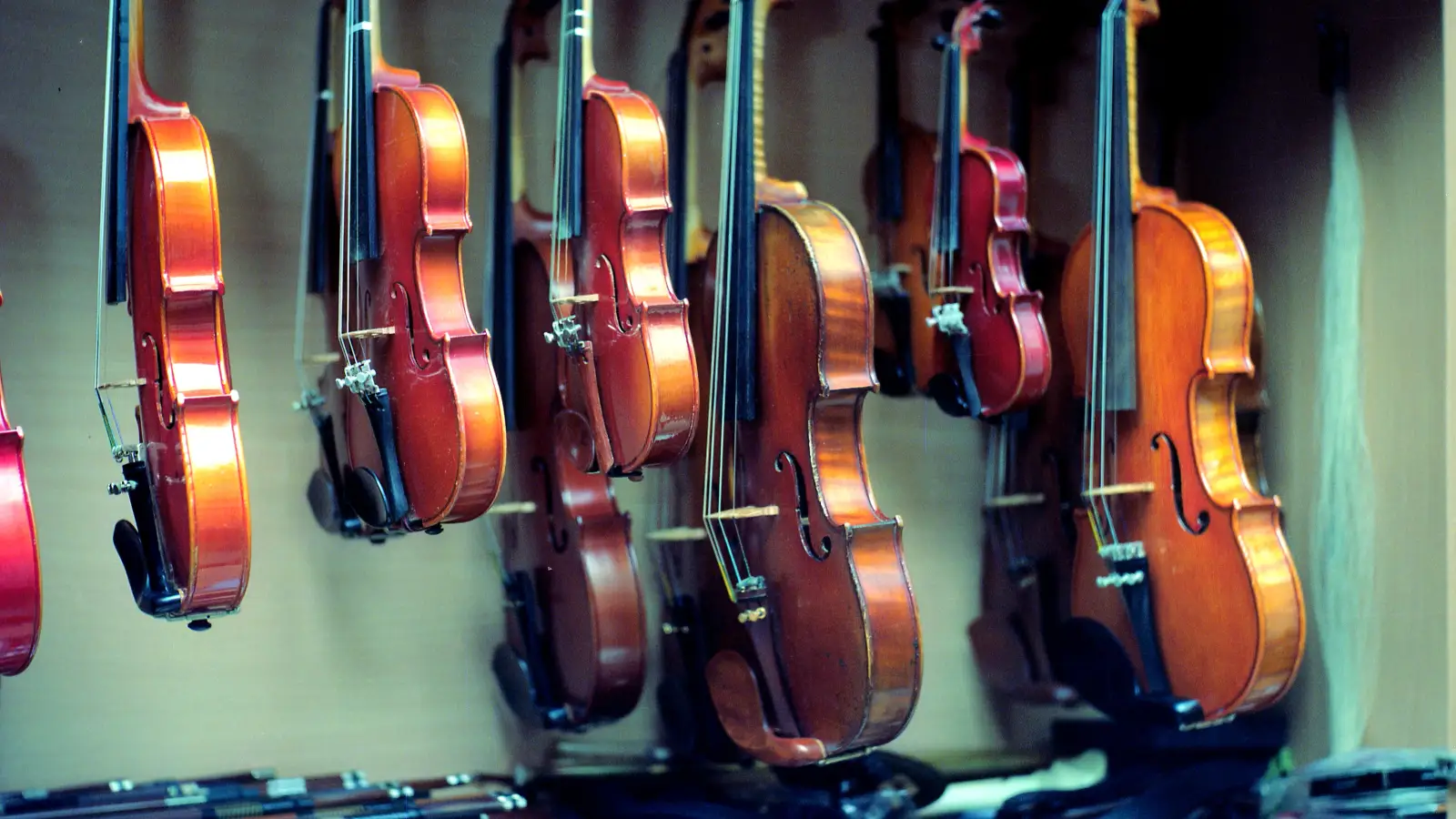
Renting gives you exactly the leverage you lack as a beginner: the ability to compare instruments under a teacher's ear before you spend serious money. A rental program ensures you start with a violin that's already been set up correctly — a baseline of playability that no Amazon purchase can guarantee. More critically, it decouples your learning timeline from your purchasing decision. You can focus on making a sound, not on whether you chose correctly. As your ear develops, you can request an upgrade, test a different model, and build a set of auditory references without penalty. When you finally buy, you'll know what 'good' sounds like, and you'll likely pay less overall because you avoided the false start.
Where Buying and Renting Actually Clash: 4 Decisive Factors for the Beginner Ear
Auditory Discrimination: The Skill You Don't Yet Have
If you can't hear the difference between a $300 and a $3,000 violin, you shouldn't be choosing one. Renting gives you the training window — months of listening under guidance — to close that gap. Any other approach is gambling.
The True Cost Timeline: Short-Term vs. Long-Term Cash Burn
A $500 violin plus a $200 setup you'll need anyway (if it didn't come with one) versus 12 months of $40 rental ($480). In year one, they're close. But the rental path ends with you still holding that $480 in equity (if rent-to-own) or having upgraded to a better instrument you chose with skill. The buy path ends with a violin you may despise in 8 months and a second purchase looming. That's waste, plain and simple.
Progress Acceleration: When the Instrument Fights Back
A poorly set up violin adds unnecessary friction to every practice session. High strings make pressing harder; a misaligned bow is tiring; a thin tone demoralizes. These problems vanish on a properly maintained rental. Your progress is faster, your frustration lower, and your chance of sticking with the instrument significantly higher.
The Size Factor (For Young Beginners): A No-Brainer
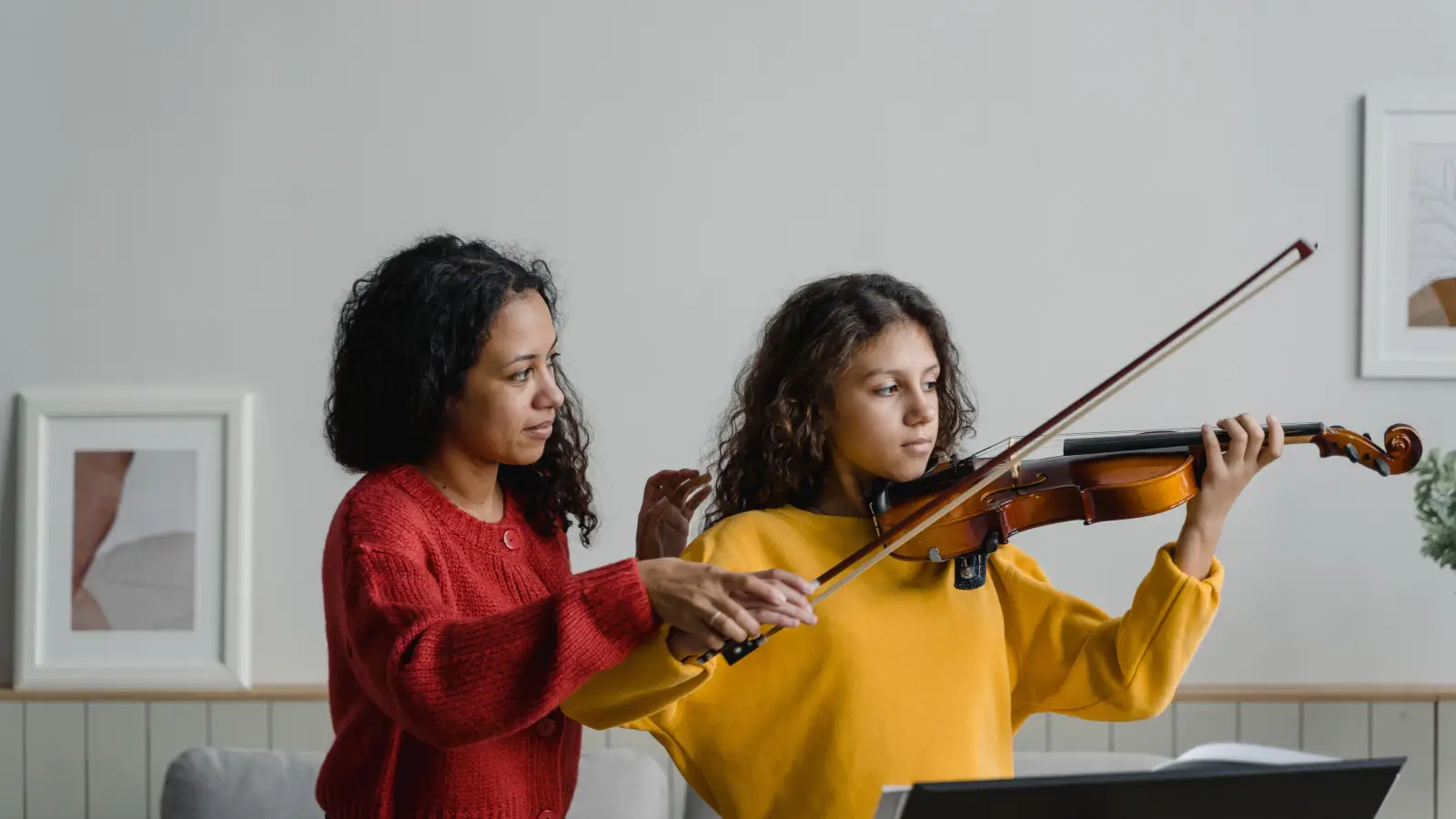
For parents, this is the easiest call. A growing child needs four or five fractional sizes before full size. Buying each one is economic madness. Renting bundles size exchanges, maintenance, and insurance into one flat fee. You'll save hundreds and avoid the garage full of outgrown violins.
Which Path Is Right for You? Use Case Recommendations
If you're an adult beginner with a teacher, rent for one year minimum. Buy only after your teacher, not your bank account, says it's time.
If you're a parent of a young child, rent immediately. The only question is which shop.
If you're a beginner without a teacher, get a teacher first, then rent. Without ears to guide you, both renting and buying are blind.
If you have a very tight budget, find a rent-to-own program from a reputable shop. Avoid the temptation of the cheapest online violin — it's the most expensive mistake you can make.
Frequently Asked Questions About Beginner Violins and Rentals
How long should I rent before buying?
At least 12 months. That's the minimum time most ears need with consistent practice and teacher feedback to begin distinguishing quality differences. Cutting it short risks buying blind again.
Can I get a high-quality rental?
Yes. Many shops offer tiered rental programs. Start with a standard student instrument and request an upgrade once you can hear — and articulate — what you want to improve. The rental model supports exactly that.
What happens if the rental violin gets damaged?
Typical rental agreements cover accidental damage and routine maintenance. A cracked top or fallen soundpost would otherwise be a surprise bill of $150 to $300 if you owned the instrument.
Is rent-to-own just renting with extra steps?
No. It's a hedge. You build equity toward a purchase while retaining the freedom to walk away and switch instruments if your ear outgrows the one you're renting. That's value you can't replicate by buying outright on day one.
The hidden cost of buying a violin too early is a decision made with incomplete information. Renting is not a consolation prize for budget beginners; it's the strategic choice for anyone who values getting it right the first time. Rent for a year, train your ears, then buy the right violin with confidence. That's how you turn a beginner's mistake into a musician's asset.