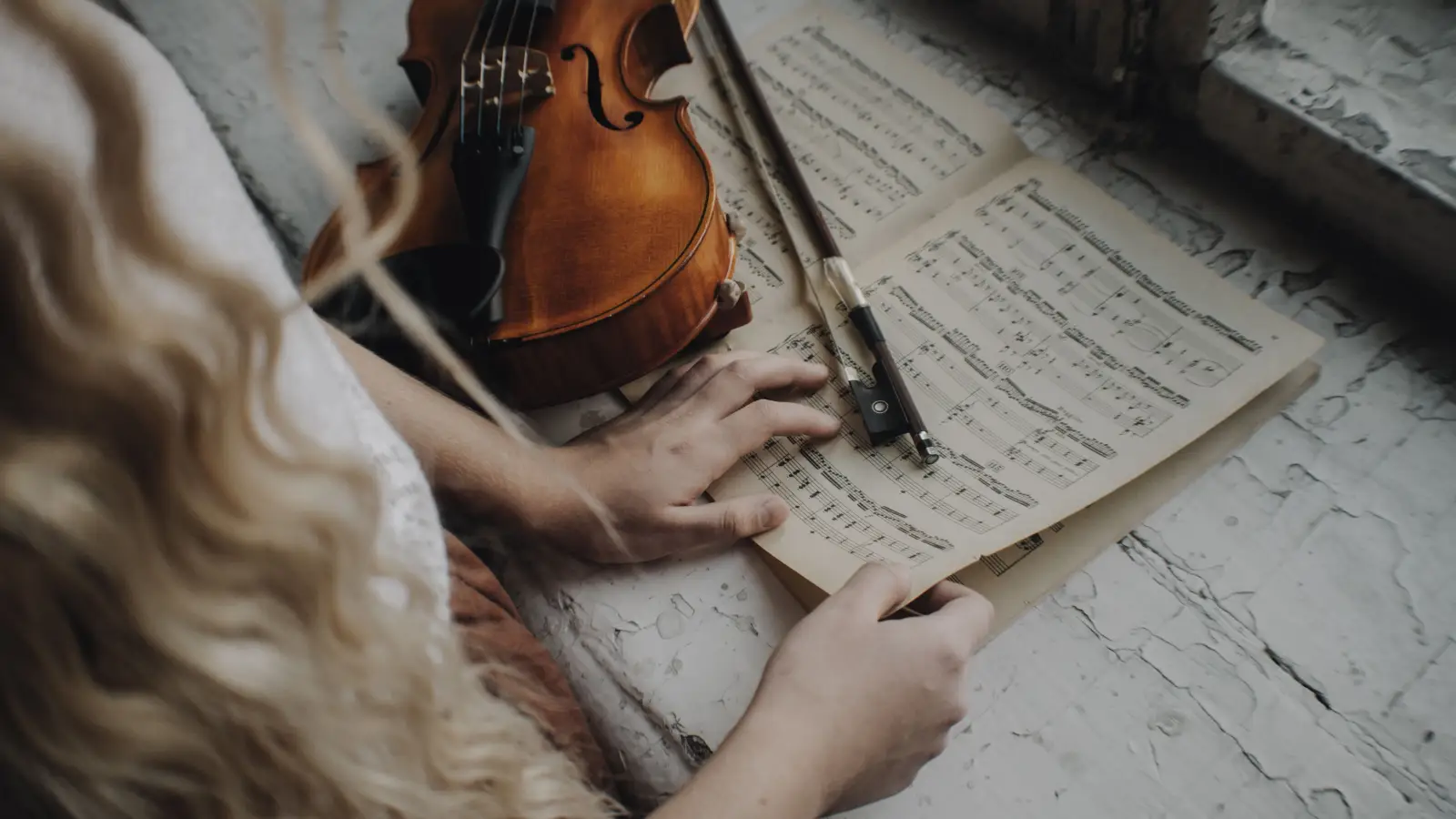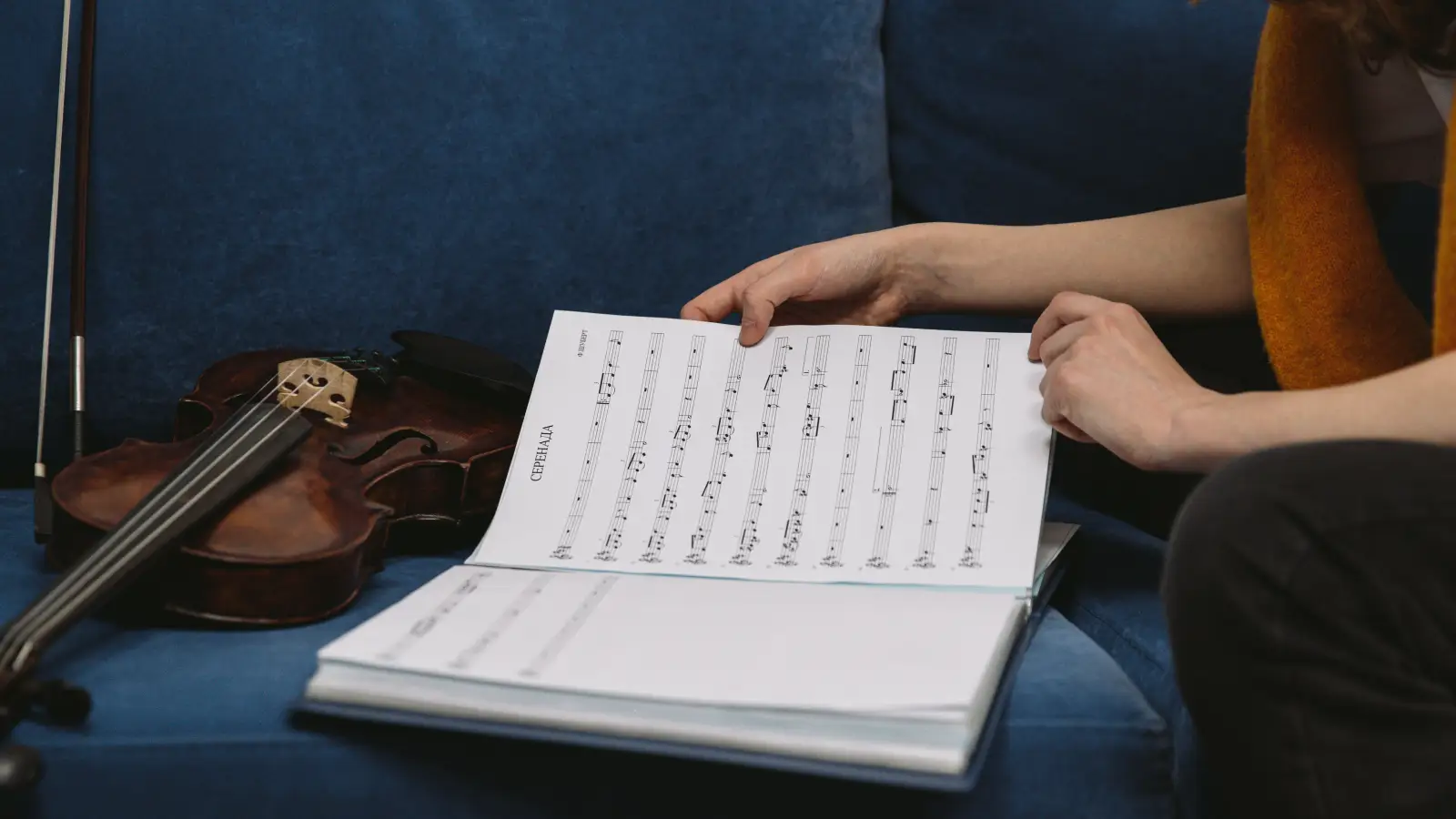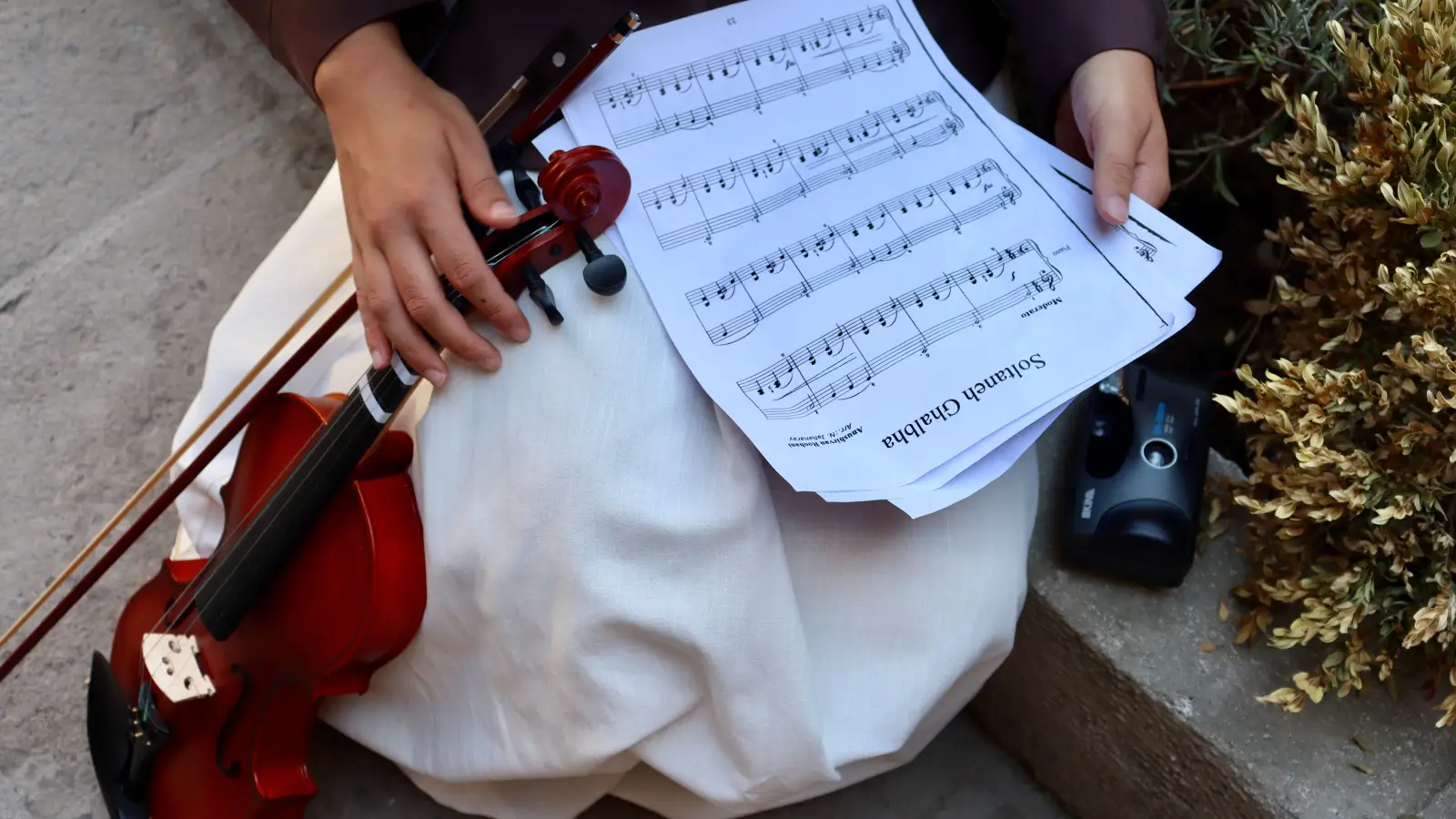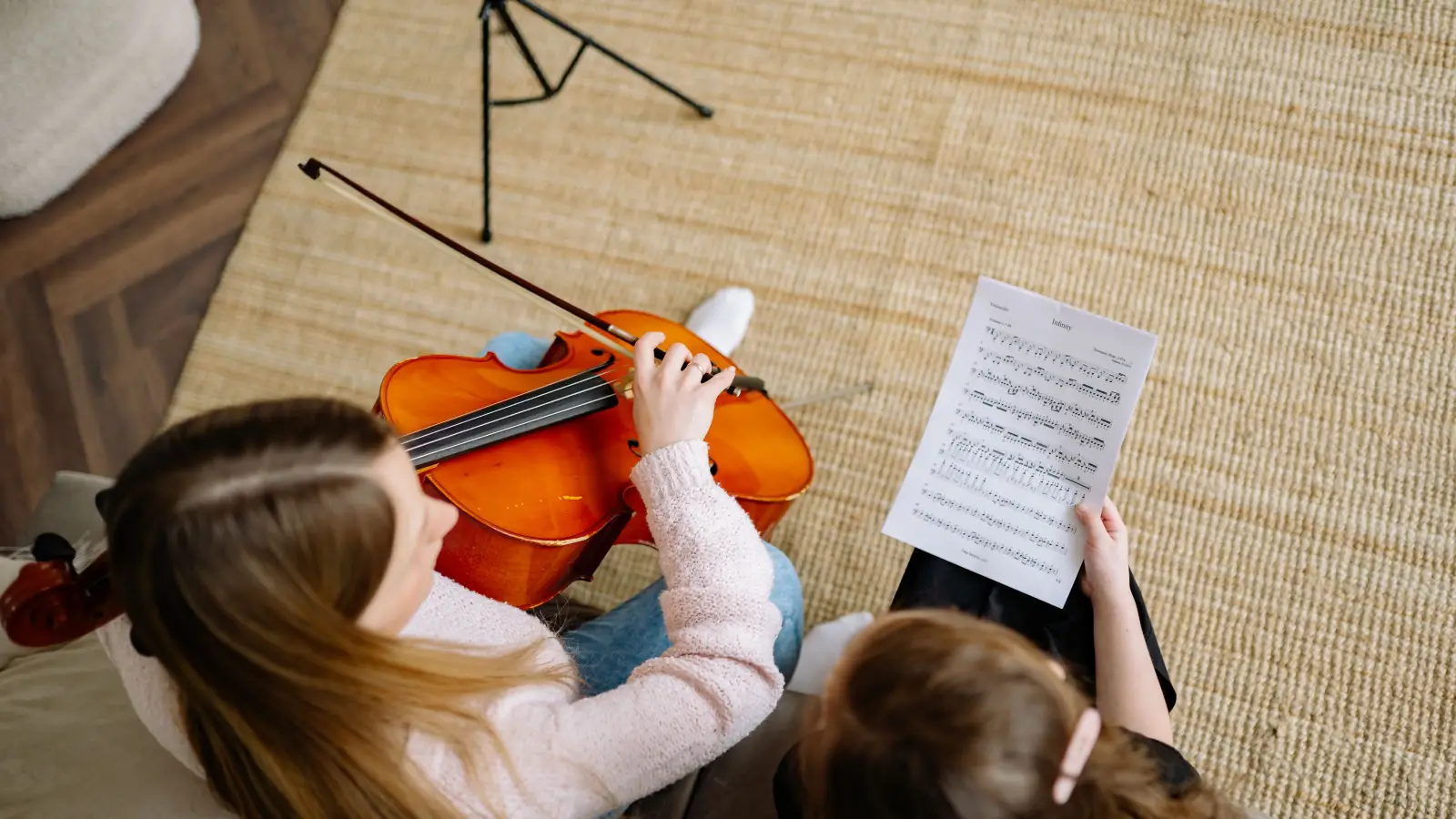
Why Counting Rhythm Is Not Enough for Violin Practice
Discover why counting beats in your head doesn't fix rushing or dragging. A 5-step system of clapping, marching, and bowing drills that internalize timing for violinists.
Structured practice plans for the first weeks and the foundations of reading violin sheet music, including notes, key signatures, rhythm, and rests.
Discover why counting beats in your head doesn't fix rushing or dragging. A 5-step system of clapping, marching, and bowing drills that internalize timing for violinists.
Missing one practice day can silently undo days of motor skill progress. Learn why muscle memory decays that fast and how to protect your streak without burnout.
Skip the flashcards. Use your violin's open strings as anchors and interval patterns to decode any note in first position—without memorizing every line and space.
Standard metronome advice can stall rhythm growth. Learn the 3-stage method that builds an internal clock before turning on the click.
This 7-day plan turns early violin awkwardness into tiny wins. Learn to hold, bow, and produce a clear tone without rushing into a tune — perfect for adult beginners who worry they started too late.
A four-phase daily practice framework (calibrate, drill, play, reflect) that treats each session as a deliberate neural-pathway experiment. Short, sustainable, and built for adult learners.
Reading violin music while playing isn't about speed — it's about reading intervals instead of note names. Learn the look-ahead shortcut that makes it click.
Uneven détaché and sloppy string crossings almost always trace back to the bow-change moment. These five open-string exercises isolate that gap so your rhythm locks in.