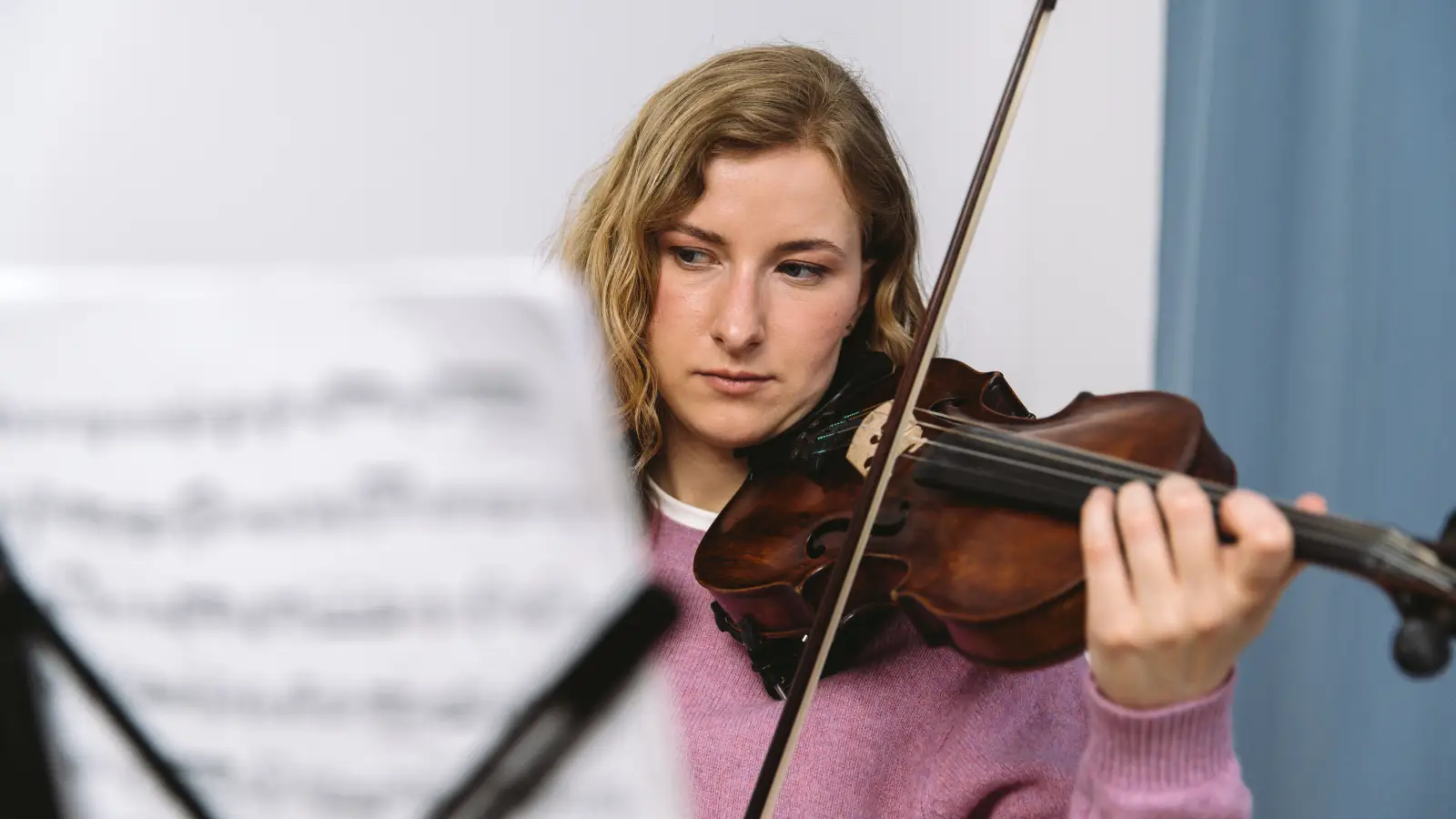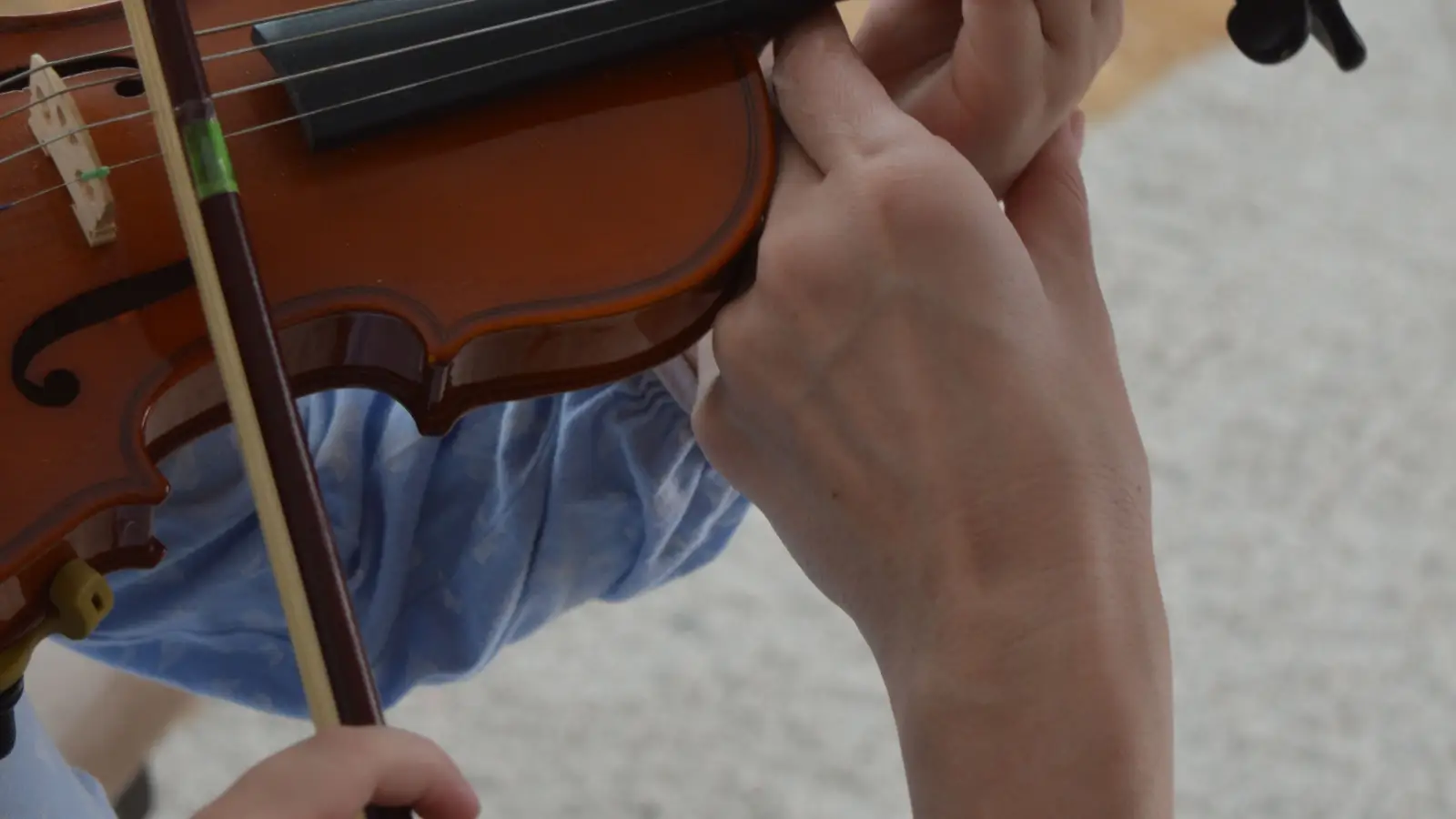
A beginner practice session works best with three clear blocks: technique, repertoire, and musicality. In a 30‑minute session, schedule 10 minutes for exercises, 15 minutes for a piece, and 5 minutes for expressive work. This structure matters because it treats how you organize your time as a skill equal to any left‑hand exercise. Without a framework, practice scatters—with one, every drill connects to real playing.
Your Practice Situation, and Your Path Through the 3-Part Routine
You’ve just started and every practice session feels random. Use this article as a template. Run the three blocks in order, and you’ll always have a clear next step.
You practice consistently but feel stuck on the same plateau. The issue is often how you’re distributing your time. The 3‑part framework shows where to place energy so that exercises finally transfer to pieces.
You’re a parent helping a young beginner. Follow the routine as a daily checklist. The built‑in variety holds a child’s attention, and the musicality block keeps the reason to play front and center.
Building Your Practice Architecture: The Three Blocks Defined
This stage converts vague “practice” into a session you can run without guessing.
Aim: Understand each block’s purpose, lock in a time ratio, and finish a short session with no block skipped.
Concrete actions:
- Technique block (10 min): Pick one exercise, such as long slow bows on an open string with a tuner, or a one‑octave D‑major scale in whole notes. Focus on clean tone and steady bow speed.
- Repertoire block (15 min): Work on a short piece or a section. Isolate the trickiest spot—often the one that mirrors the exercise you just did—and repeat it slowly with the technical point still fresh.
- Musicality block (5 min): Take that same section and add one musical choice. Try a simple dynamic change or shape a phrase so it breathes. Make one clear decision per session.
Ready to move on when: You complete a 20‑minute session with all three blocks, the 10‑15‑5 ratio holds, and no block gets cut short.
From Routine to Habit: Linking Blocks Seamlessly
Now the goal is to stop thinking about the structure and let it run itself.
Aim: Remove the mental gap between blocks so you don’t pause to decide what’s next.
Concrete actions:
- Set a timer for each segment. Start on time.
- When technique ends, do not stop. Open your sheet music and go directly to the repertoire block, carrying the physical setup forward.
- When a trouble spot appears in the piece, mentally tie it back to the exercise you just finished. That connection makes the purpose of the exercise obvious.
- For the musicality block, record 30 seconds and listen back. Training the ear is the point, not performing.
Ready to move on when: You finish a 30‑minute session without referencing a list of steps, and you can identify one improvement that came directly from the block sequence—like a smoother string crossing because you first worked on bow‑level changes.
Designing Your Own Session: Adapting Blocks Over Time
Now you take ownership. The three‑block spine stays; the time and focus shift with your daily needs.
Aim: Walk into a practice room, assess the day’s work in under a minute, and build a balanced session.
Concrete actions:
- Before you open the case, decide what needs attention. A new piece? A weak bow arm? A passage that sounds flat.
- Write a quick plan: e.g., technique 8 min, repertoire 18 min, musicality 4 min. The ratio bends but all three blocks remain.
- Keep a practice log with a single line per session: what you targeted in each block and one observation. Over weeks, patterns show you where time is wasted or well spent.
Ready to move on when: You sit down, decide your block allocation within a minute, and afterward can name a clear gain—even on a rough day.
When to Move Forward: The Three Readiness Signals
- You finish a 20‑minute session using all three blocks with the 10‑15‑5 ratio intact and no block skipped.
- You move through a 30‑minute session without checking what comes next, and you can point to a specific improvement linked to the block order.
- You design your own daily plan with adjusted ratios that still includes technique, repertoire, and musicality, and you can state a concrete result.
What to Ignore Until Your Routine Is Solid
Perfect intonation. A tuner can guide you, but obsessing over pitch before posture and bow hold are reliable creates tension. Make intonation a sharper focus only after you can sustain a steady, even tone on a simple scale.
Vibrato. It demands a relaxed left hand and a secure setup. Most beginners need at least a year of foundational work before vibrato exercises make sense.
Advanced bow strokes (spiccato, sautillé). They require a controlled, straight bow. Wait until you can draw long, whole bows with even sound and no skating.
Sight‑reading full pieces. For now, reading a few measures at a time is enough. Full sight‑reading practice becomes relevant after you know the first several positions and can navigate the fingerboard quickly.
Memorization drills. Memory grows through repeated practice. Special memorization techniques only become necessary when preparing longer works for performance.
Accelerating Your Progress Within the 3-Part Framework
- Practice journal. A one‑sentence plan for each block before you start, and a one‑sentence note after. This prevents autopilot.
- Weekly recording. Record a short passage every week. Listen back with the three blocks in mind: did the technique hold? Did the musical idea come across? This is the fastest feedback outside a live teacher.
- Metronome and drone. Use them from day one during technique work. A metronome firms up rhythm. A drone anchors pitch. Together they build an internal clock and ear that make everything else easier.
Common Questions About the 3-Part Practice Routine
How long should a beginner practice violin each day?
A consistent 20–30 minutes works. The structure makes the minutes count. If you have less than 20, shrink the ratios but keep the three blocks.
What if I only have 10 minutes?
3 minutes technique, 5 minutes repertoire, 2 minutes musicality. A short session done with purpose still builds skill because you’re always connecting technique to music.
Can I use this routine if I don’t have a teacher?
Yes, as long as you have a plan for each block. A reliable method book supplies technique and repertoire. Recordings give you musical models. If you get stuck, a single lesson or a focused online search often clears the block.
What order should the three blocks be in?
Technique first, then repertoire, then musicality. Technique sets up the physical tools, repertoire applies them, and musicality only works when the tools are warm. Changing the order weakens the chain.
How do I help my child practice with this routine?
Sit with them and run the timer. Let the child pick the piece. Praise the effort in each block, not the outcome. A focused 15 minutes with this framework beats a distracted 30.
When you can design your own practice session using the three blocks as a mental scaffold, you’ve stopped just “practicing” and started building a durable skill. The very first action for the complete beginner: take a sheet of paper, write “Technique – 10 min,” “Repertoire – 15 min,” “Musicality – 5 min,” and follow that for your next session.