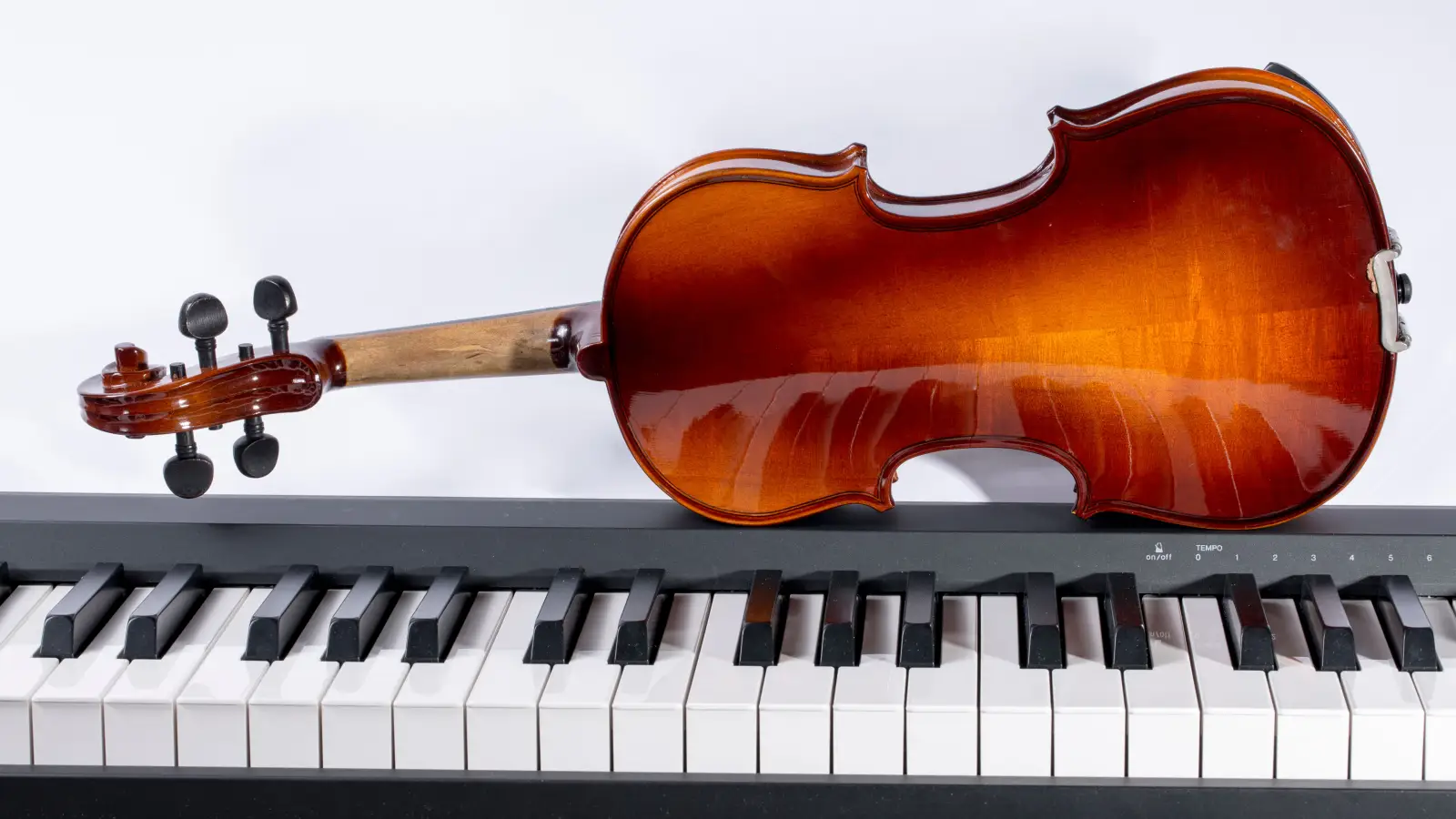
An electric violin is not a first-choice instrument for a beginner. It is a tool for one specific problem: you need to practice in silence. If you live in an apartment, practice after 10 p.m., or share thin walls, an electric violin running through headphones becomes essential — nothing else keeps you playing while keeping the peace. In any other situation, a standard acoustic violin teaches tone and bow control more directly, and it always will.
Verdict by Scenario
| Scenario | Winner | Why |
|---|---|---|
| You need silent practice (apartment, late hours, thin walls) | Electric | Headphone output gives near-silent practice without bothering anyone |
| You can make noise freely and want to build classical tone | Acoustic | Instant feedback on bow pressure and resonance forms good habits |
| Budget is the main constraint | Acoustic (with a mute if needed) | A student acoustic plus a heavy mute costs less than a decent electric silent rig |
When Silent Practice Is Non-Negotiable
An electric violin wins here because only it keeps practice quiet enough while still letting the player hear a clean tone. Put a heavy practice mute on an acoustic, and the sound drops, but it does not disappear. At midnight in a building with normal walls, the muffled notes still travel. Plug an electric into a headphone amplifier, put on closed-back headphones, and the only sound in the room is a faint high-frequency scratch from the bow hair — less than a person whispering.
For a beginner, the setup is simple. Connect the violin’s output cable to a pocket-sized headphone amplifier (something like a Vox amPlug or a small multi-effects unit), plug in headphones, set the tone to clean and flat. No reverb, no delay, no distortion. Those effects hide the exact things a beginner needs to notice: bow pressure inconsistencies, rough string crossings, scratchy starts.
There is still a real loss. An acoustic violin transmits vibration through the chin rest and collarbone, and a player learns to feel proper bow weight partly through that physical feedback. An electric violin strips that away. Without it, the player has to judge everything by sound alone. That means the player must pay closer attention during silent practice, not less. Record a phrase now and then, play it back, and listen for the unevenness that the effects might otherwise bury. If the practice space allows, briefly switch off the headphones and play a few notes aloud, just to remember what a raw acoustic string sounds like.
A practical note: some electric violin models, like the Yamaha Silent Violin series, have a hollow chamber that gives back a hint of body vibration. A solid-body instrument with no resonance feels dead and makes it harder to sense bow contact. A beginner who will do most practice silently should lean toward one with at least a small resonant body.
When You’re Free to Make Noise
If a beginner can practice during normal daytime hours with no noise restrictions — a house, a sympathetic roommate, thick walls — an acoustic violin is the obvious choice. There’s no cable to plug in, no battery to check, no amplifier hiss to troubleshoot. Pick it up and play.
The acoustic sound is immediate and punishing in a useful way. A slight slip in bow pressure or a misplaced contact point comes through harsh and clear. That instant feedback trims the learning curve. On an electric through headphones, those same flaws can pass by unnoticed, especially if a player is not deliberately listening for them.
What you sacrifice is flexibility. Practice hours must fit the household’s tolerance. A sudden urge to play at 2 a.m. means no practice.
Where Acoustic and Electric Are Basically the Same
Several aspects of learning violin do not change between instrument types. Beginners can stop weighing these.
Fingerboard layout and intonation. The strings are spaced the same on a full-size electric and a full-size acoustic. Learning where to place fingers for in-tune notes is identical.
Bow hold and arm mechanics. The grip, the elbow path, the motion of the bow arm — none of it cares what the body is made of.
Reading music and theory. Notes, rhythms, key signatures — all the same.
Shoulder rest and chin rest setup. Both instruments fit standard accessories, and good posture is good posture regardless.
Tuning and string maintenance. Pegs, fine tuners, and string changes work the same way.
Body weight sometimes comes up as a deciding factor, but many electric violins weigh more than student acoustics. The difference, if any, is rarely significant enough to influence a beginner’s choice.
Deal-Breakers
Some conditions leave no room for choice.
If you must practice without producing any audible noise at certain times, an acoustic violin — even with a mute — is not silent enough. A muted acoustic still sounds about as loud as quiet conversation, and that carries through walls and floors.
If your path leads directly into a classical orchestra or requires an unamplified recital, an electric violin creates a gap in training. The feel and response of an acoustic violin cannot be replicated perfectly through headphones, and an electric may not be accepted in a formal classical setting.
If your practice spot has no electrical outlet nearby, an acoustic avoids the need for batteries or charging. This is minor but matters for outdoor practice or travel.
If your teacher refuses to teach on an electric violin, the decision is made for you during lessons. Many classical teachers insist on an acoustic as the primary instrument.
Pricing Notes
Comparing a muted acoustic to a basic electric silent setup:
| Setup | Approximate Minimum Cost |
|---|---|
| Student acoustic violin + heavy practice mute | $100–150 |
| Entry-level electric violin + headphone amplifier + headphones | $200–300 |
A heavy mute costs around $15–20 and cuts volume noticeably. The trouble is that it also produces a dull, sluggish bow feel and muddied tone. For a beginner trying to learn clean articulation, that deadened feedback can be worse than hearing nothing at all. An electric violin with a clean headphone signal preserves a clear, immediate response and is the better tool for deliberate silent practice if technique development matters more than the lowest possible price.
FAQ
Can I use an electric violin for classical music lessons?
Yes, with conditions. The fingerings and bowings are the same. The risk is that a student who practices entirely on an electric with effects never develops a strong acoustic tone. Keeping the signal dry and getting occasional time on an acoustic instrument solves that.
Does silent practice on an electric violin hurt my bowing technique?
Only if the setup encourages bad monitoring. A clean amplifier tone with no effects, plus occasional recordings of your own playing, keeps the feedback loop honest. A session on an acoustic now and then further guards against slipping form.
How loud is an electric violin without headphones?
Very quiet — about the level of plucking a thick rubber band. The sound stays within a few feet and does not travel through a closed door.
Conclusion
For most beginners, noise is not a constraint, and an acoustic violin is the correct starting instrument. The one question that settles it: “Can I practice at the full volume of an acoustic violin during the times I am actually going to practice?” If the answer is no, an electric violin is not a compromise — it is the only practical solution.