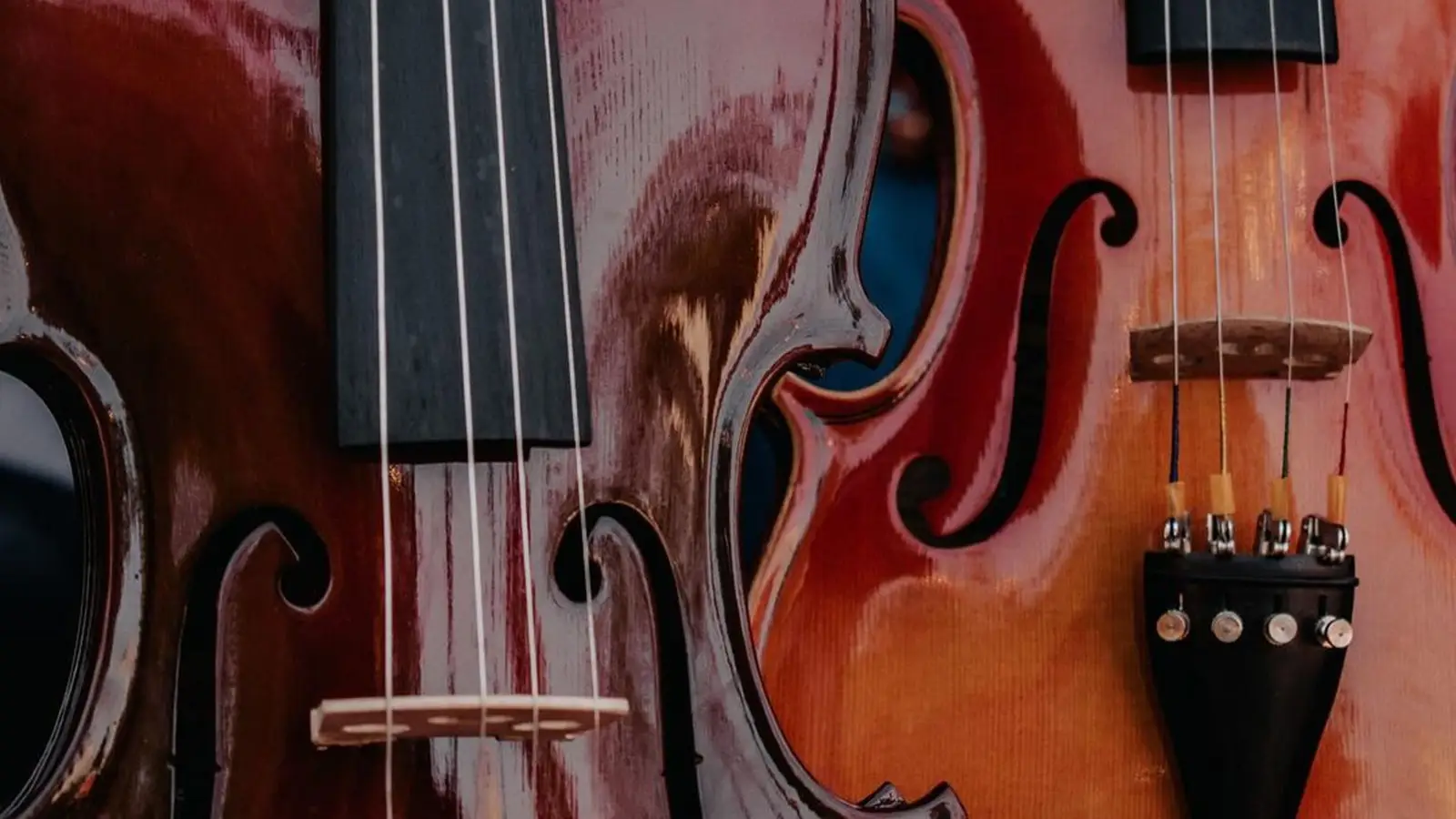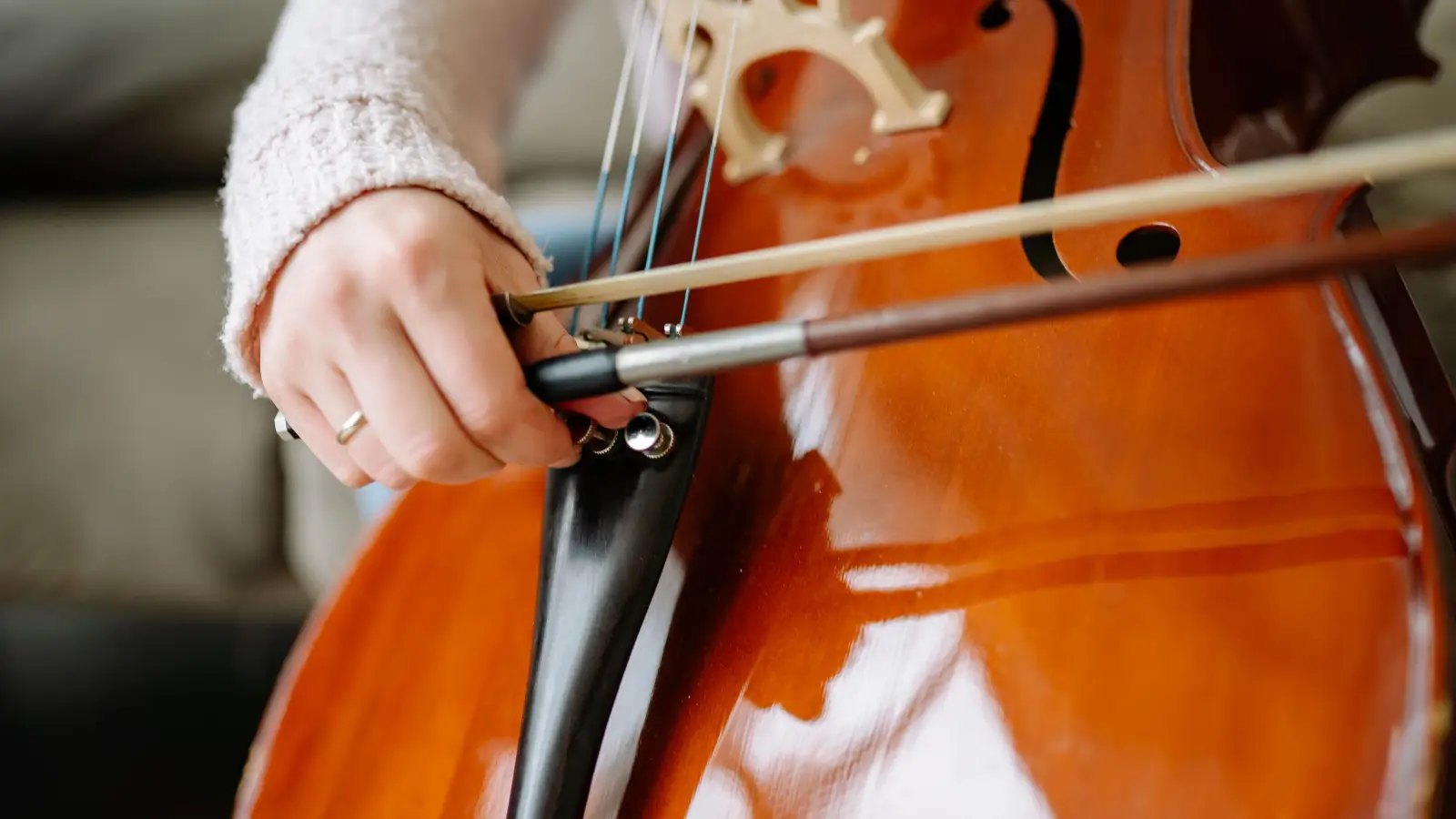
Most beginner violinists change their chinrest soon after starting because the one that comes with the instrument rarely fits the natural contour of the jaw. The result is a pressure point that turns holding the violin into a daily struggle. This discomfort steals attention from bowing and fingering, which is why a good teacher often suggests trying a different chinrest shape right away. While the chinrest gets the focus, the tailpiece and endpin play quieter but important roles in how stable, comfortable, and resonant the violin feels under the chin.
When a Rental Violin Hurts Your Jaw on Day One
Imagine a new player who brings home a standard rental outfit. The violin includes a basic ebony chinrest — shallow cup, centered over the tailpiece. After two days of practice, a sore spot appears along the left side of the jawbone. The player begins lifting the left shoulder to reduce the pressure, which tightens the neck and makes the bow arm stiff and heavy. A teacher spots the problem and recommends swapping to a chinrest with a deeper, more angled cup that bridges the collarbone and jaw naturally. The change is quick, and almost immediately the violin feels secure without gripping. The shoulder drops, and the left hand relaxes. But the improvement doesn’t stop there. Over time, the player notices that the weight of the tailpiece and the way the endpin sits also influence how the instrument settles and how easily it stays in tune.
How the Chinrest, Tailpiece, and Endpin Work Together
Matching Jaw Shape to the Chinrest Cup
The chinrest is the most personal part of the violin. Its height, the angle of its cup, and where it places the jaw against the collarbone all determine whether the player can support the instrument without tension. A chinrest that is too low leaves an empty gap the jaw must stretch to reach; one that sits too high tilts the head backward. Cup shapes vary from deep, defined ridges that cradle a fuller jaw to flatter, gentler slopes that suit a leaner bone structure. When a beginner finds the shape that fits their anatomy, the left hand is freed from holding up the violin — and that freedom makes shifting, vibrato, and smooth bow changes possible later on.
Tailpiece Weight and How It Affects Tuning and Ring
Though beginners rarely notice it at first, the tailpiece has a say in how the strings behave. A heavy tailpiece — common on entry-level instruments — can muffle higher overtones and leave the violin sounding dull. It also affects the afterlength, the short string segment between the bridge and tailpiece. When the afterlength is off, fine tuners work less efficiently, and the player finds themselves constantly adjusting pitch. Switching to a lighter tailpiece, often made of composite material or boxwood, can give the instrument a more open, lively response and keep the tuning more stable through temperature shifts — a small but steady help for an ear still learning.
Endpin Security and the Angle of the Violin
The endpin looks trivial, but if it is not seated firmly in the lower block, the whole setup can shift. A loose endpin lets the tailgut move slightly, pulling the tailpiece out of alignment and altering the angle at which the violin rests on the shoulder. This sideways feel forces the left hand to compensate with extra pressure. When a chinrest and an endpin are both mismatched, the instrument can seem to slide constantly, making every practice session a fight. A simple check by a repairer — ensuring the endpin is tight and the tailgut length is correct — brings back a stable platform so the chinrest can do its job.
Real Situations That Call for Trying a Different Chinrest
Starting With a Rental or Beginner Outfit
Almost every beginner outfit comes with a one-size-fits-all chinrest. Because jaws differ so much, a new player should expect to test at least one alternative shape early. Many shops will swap chinrests at no charge if the original is in good condition, so there is little reason to suffer through discomfort.
Moving Up to a Better Instrument
An intermediate violin may have a different arching, rib height, or neck angle that changes the fit. The chinrest shape that felt comfortable on the student instrument might now dig into the jaw or sit too high. Revisiting the setup during an upgrade is a practical step, not a step backward.
After an Injury or Change in Posture
Neck stiffness, a shoulder injury, or even gradual postural shifts can make a once-comfortable chinrest suddenly feel wrong. A quick switch can prevent tension from creeping into the bow arm and keep the player practicing without strain.
Experimenting With Shoulder Rests
Chinrest and shoulder rest form a system; altering one almost always requires adjusting the other. A player who decides to play without a shoulder rest will likely need a chinrest with a centered ridge or deeper cup. Conversely, adding a taller rest can make a previously ideal chinrest feel too shallow, prompting another round of testing.
The Danger of Assuming a Deeper Cup Is Always the Answer
Many beginners believe that if the chinrest hurts, the fix is simply a taller or deeper model. But discomfort often comes from how the tailpiece, endpin, and chinrest interact, not from the depth of the cup alone. In the earlier example, the player found immediate relief with a better-shaped chinrest, but the lasting change came only after a technician checked that the endpin was tight and the afterlengths were even. Treating the setup as a connected system prevents the frustration of buying chinrest after chinrest without solving the real problem. The goal is not to pad the jaw but to align the whole instrument with the body.
Common Questions About Chinrests and Violin Setup
How do I choose the right chinrest shape?
Try a few profiles — Guarneri, Flesch, Teka, Kaufman — while holding the violin in playing position without gripping with the left hand. The right one fills the space below the jaw without forcing a head tilt or shoulder lift. Comfort should be immediate, not something you grow into.
Will a new chinrest change my sound?
Indirectly, yes. When your neck and shoulder relax, the bow arm moves more freely and the tone opens up. The chinrest’s weight and clamping position can also dampen or free the back plate slightly, so a well-placed, lighter chinrest sometimes improves projection.
Can I install a chinrest myself?
The process is straightforward: loosen the two metal barrels with a chinrest tool, lift off the old chinrest, place the new one, and tighten evenly. But overtightening risks cracking the wood, so if you are unsure, have a teacher or shop do it the first time.
Do the tailpiece and endpin really matter for a beginner?
They matter mostly for stability and tuning. A secure endpin keeps the tailpiece straight, reducing the need for constant retuning. A lighter tailpiece can make the violin feel more responsive, which encourages a beginner because the instrument sounds livelier under the bow.
A Small Adjustment That Keeps the Focus on Music
The beginner from the rental story discovered that a piece of shaped wood, chosen to fit the body, could remove a daily barrier. The deeper insight is that the chinrest, tailpiece, and endpin form a system. Comfort comes from aligning all three with the player’s shape — not from accepting the setup as delivered. When the violin sits naturally against the neck, the mind stays on the music instead of the pain.