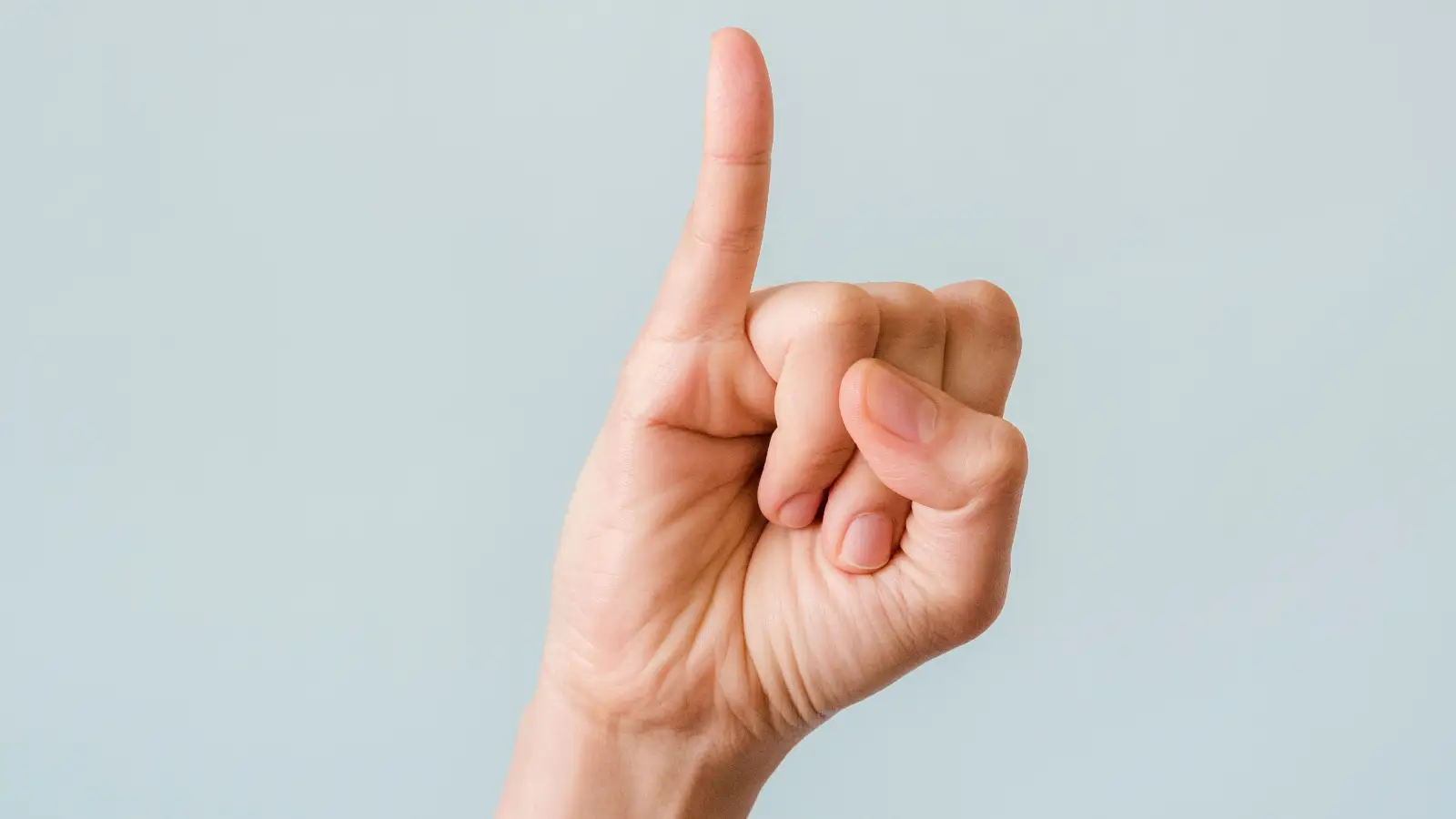
Are Your Thumb and Pinky Ruining Your Bow Hold? Fix Them Now
Diagnose exactly why your bow bounces, locks up, or your pinky slips off. Step-by-step thumb and pinky corrections, including hypermobility and stiffness adjustments.
Text-based primers on the first skills every adult or parent beginner must develop—bow hold, straight bowing, left-hand shape, finger placement, posture, and tone.
Diagnose exactly why your bow bounces, locks up, or your pinky slips off. Step-by-step thumb and pinky corrections, including hypermobility and stiffness adjustments.
Bad finger placement sabotages your violin sound. Learn how fingertip flesh, angle, and pressure control buzz, clarity, and sustain with exercises for a 'goldilocks' touch.
Discover why your violin tone isn't just about the bow. Learn how fingertip angle, pressure, and placement act like a guitar fret to shape clear, ringing overtones.
Learn the three-variable balance of pressure, speed, and contact point that instantly removes scratchy tone and gives your violin a resonant, singing sound.
Learn to self-diagnose bow hold problems that cause scratchy, bouncing, or thin violin tone. Fix finger pressure and thumb placement with sensory feedback.
Stop fighting thin, weak tone near the tip. Learn to divide your bow into zones and budget bow speed note by note for consistent sound from frog to tip.
Straight bowing depends on elbow and wrist coordination, not hand adjustments. Learn the four-stage arm-led framework that fixes a crooked bow for good.
Finger tapes aren't a crutch for the untalented. Teachers use them to build a tactile map on the fingerboard. Learn the right way to place and phase them out.
Build a relaxed, independent bow hold with six off-instrument exercises you can do in 10 minutes daily. Progress from a pencil hold to finger taps and feel the difference in a week.
Replace vague tone advice with a cause-and-effect checklist. Learn the four variables teachers check first and how to fix scratchy, thin, or unstable sound.