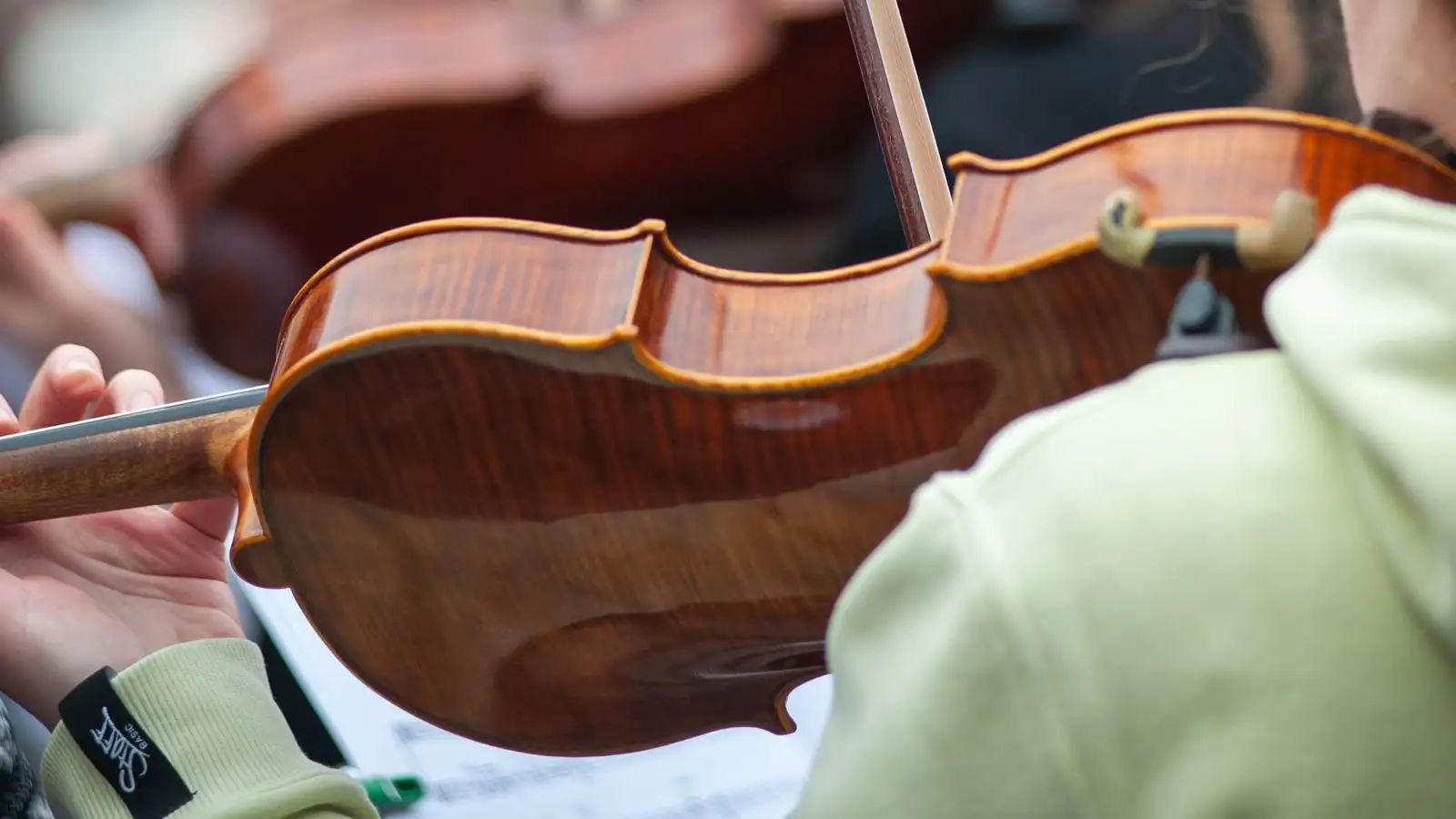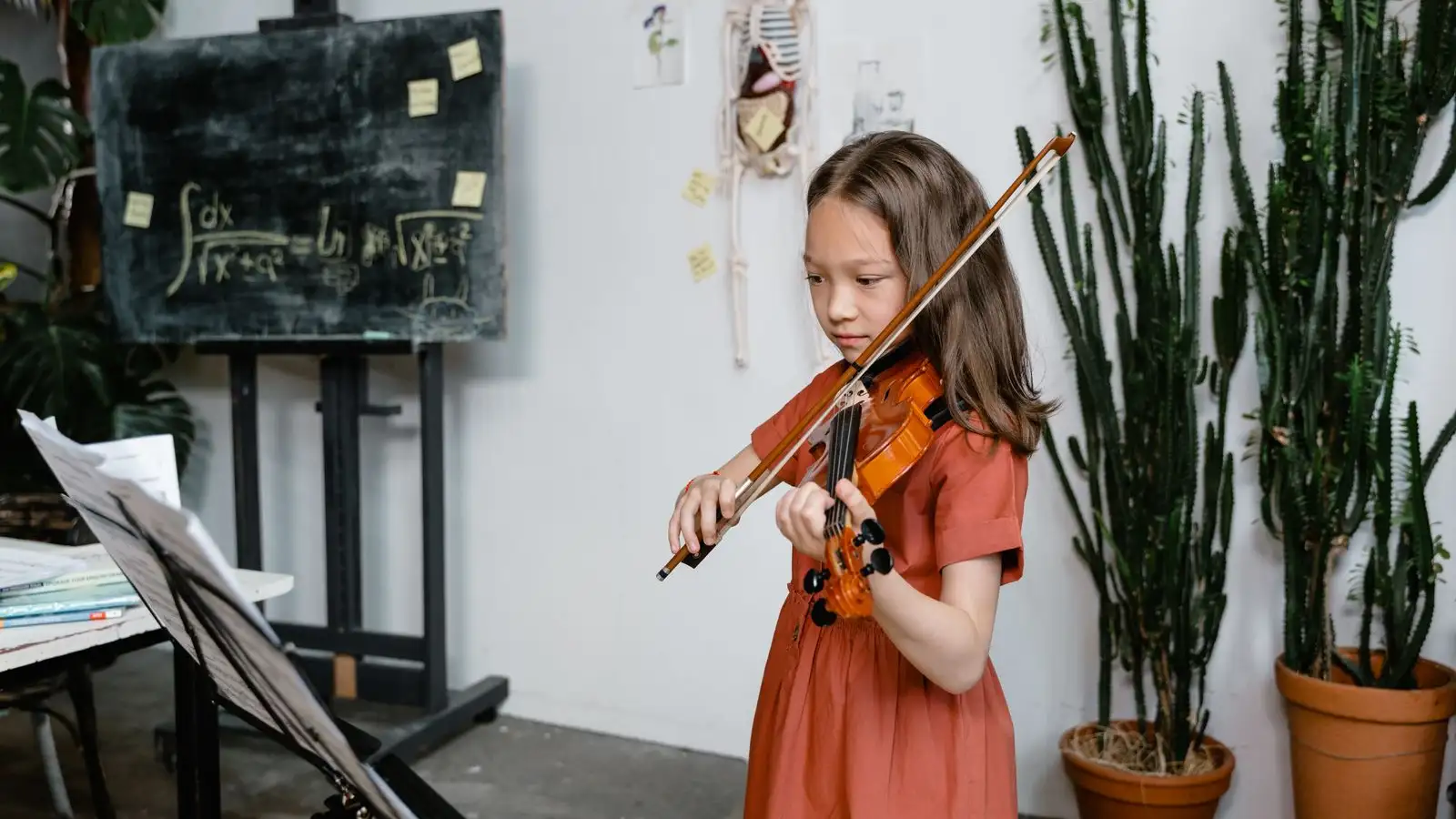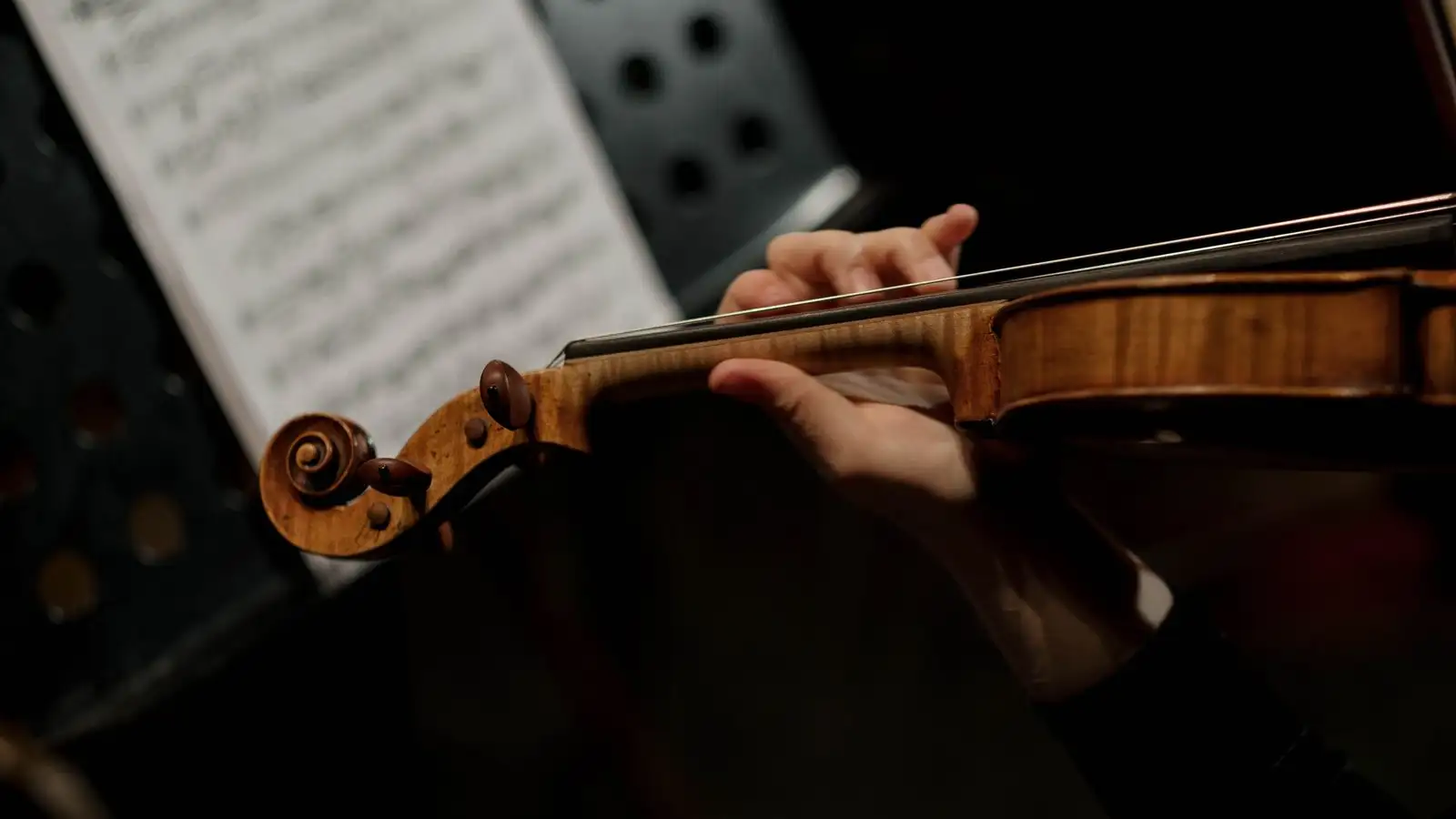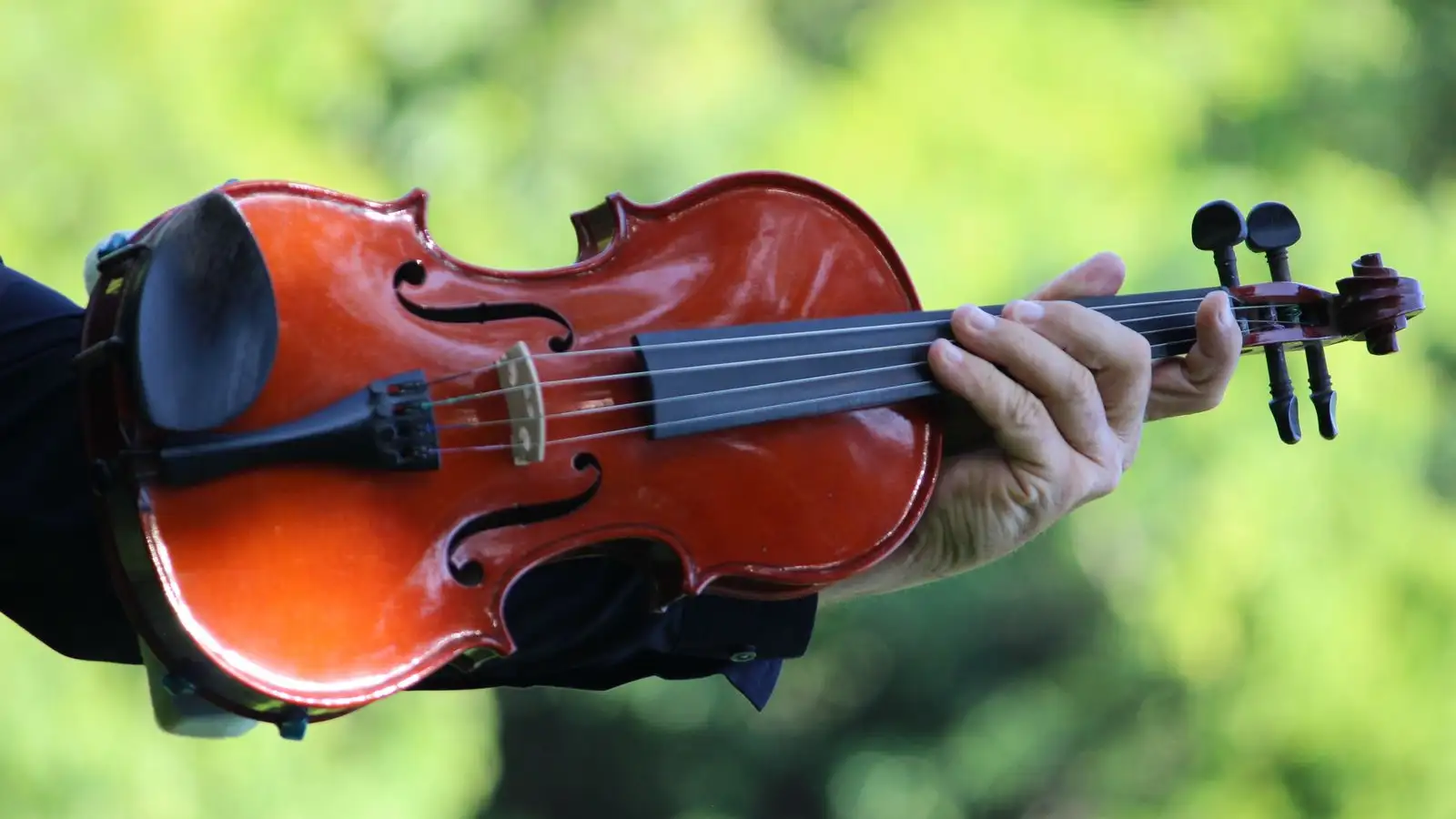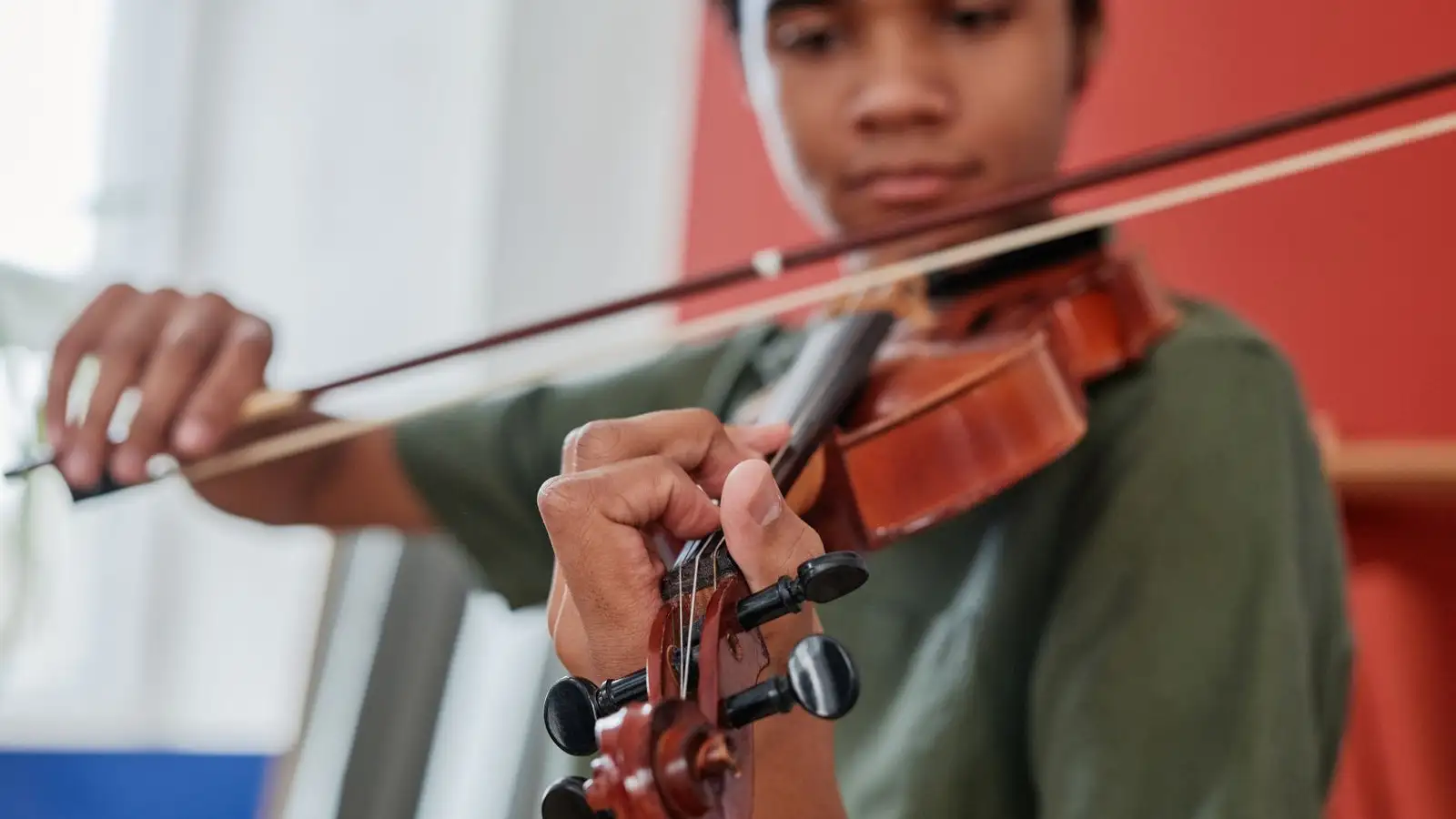
Can You Play the Violin Without a Shoulder Rest?
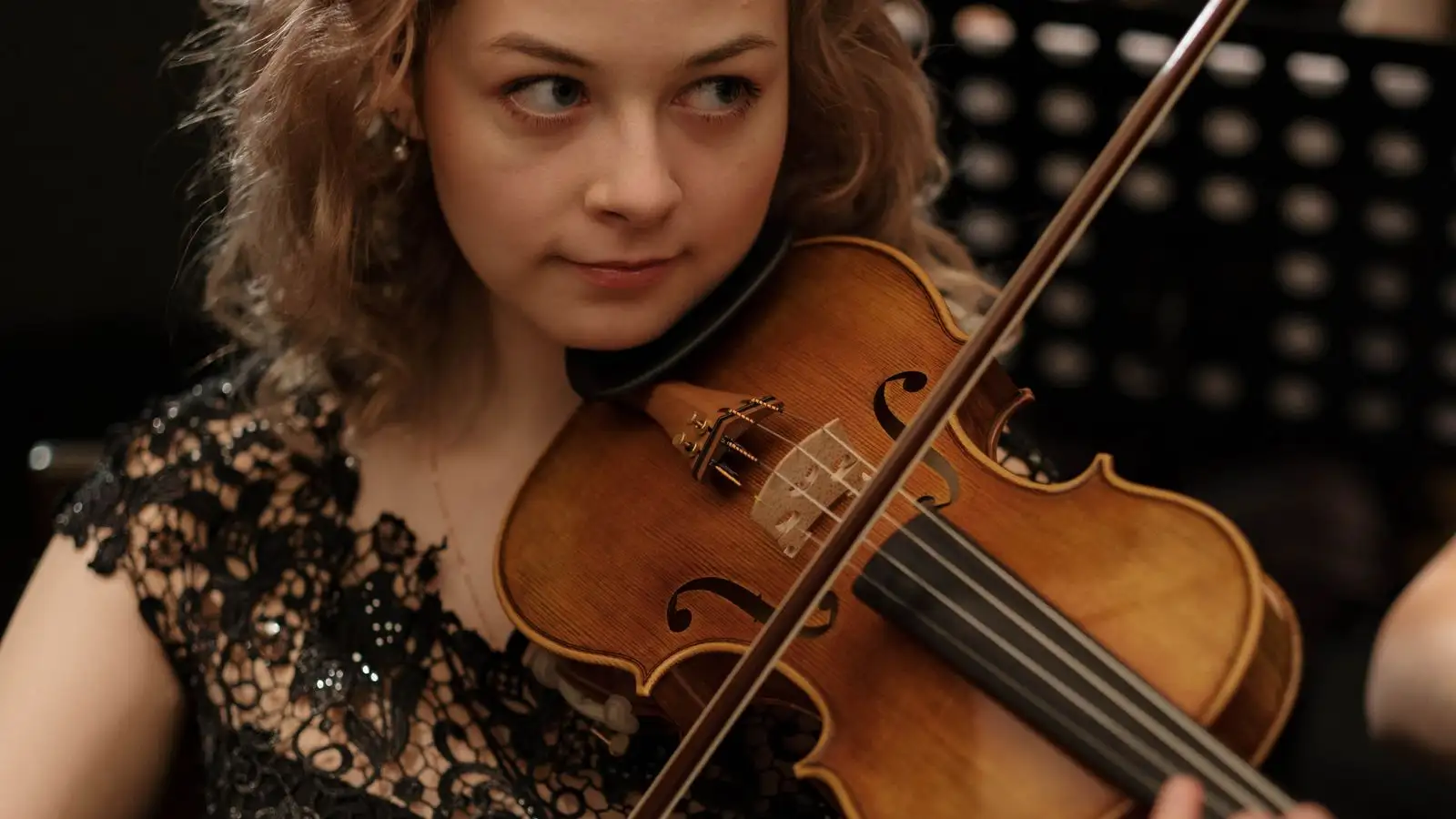
A shoulder rest substitutes for the contact between violin, collarbone, and shoulder. Here is the five-second self-test and how to close the gap.
A shoulder rest substitutes for the contact between violin, collarbone, and shoulder. Here is the five-second self-test and how to close the gap.
Switching between acoustic and electric violin? Bow hold and finger placement stay the same. Here's what changes, and the habit to watch for.
Hard surfaces, soft surfaces, room size, and where you stand all change what your violin sounds like. Here's how to tell room effects from real progress.
Ten minutes a day with unfamiliar music, one level below what you play, builds violin sight reading. Here is how to set up the block and run it.
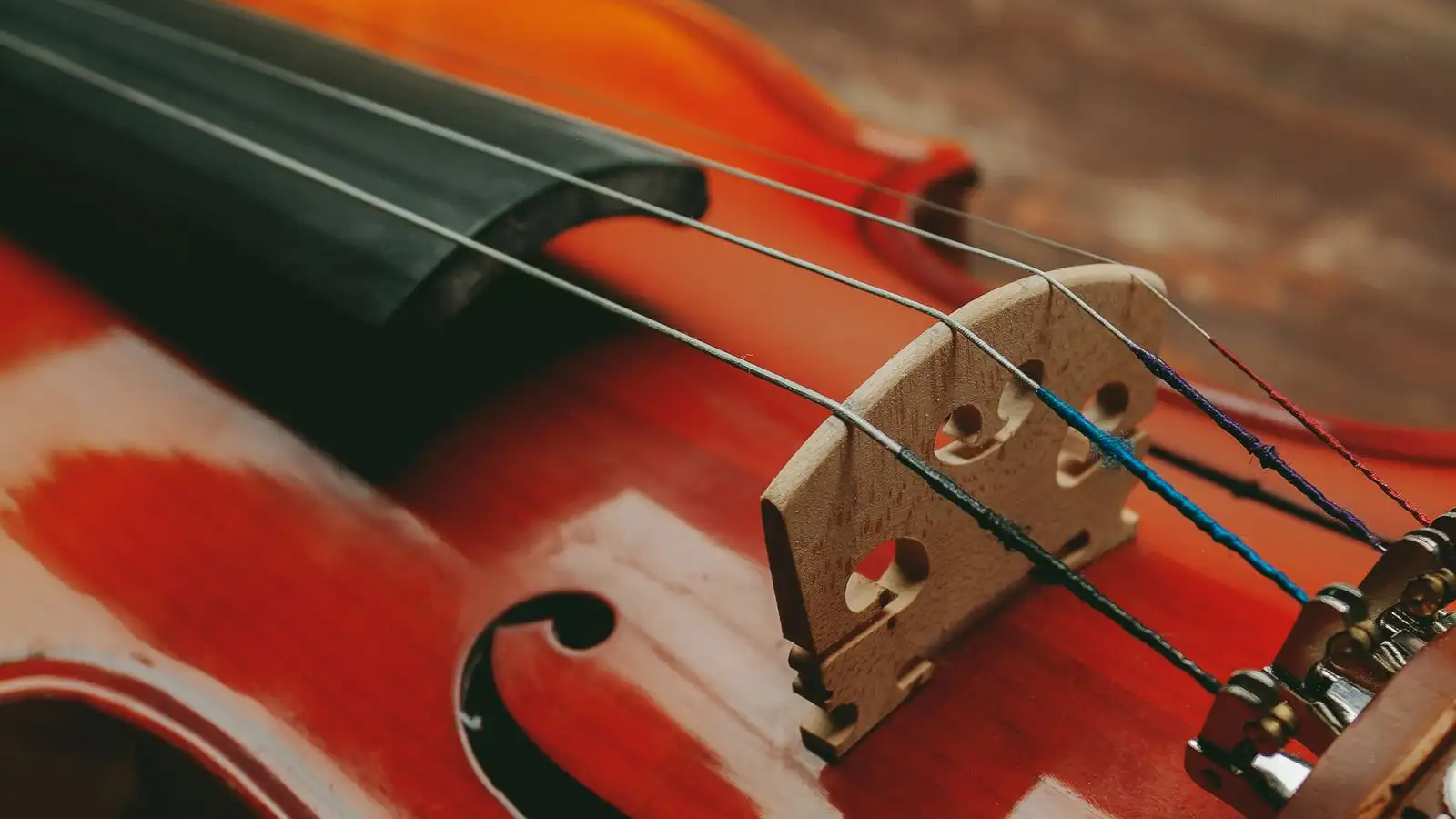
Old violin strings lose elasticity, not just brightness. How core, winding, tension, and age change response — and how to tell a string problem from technique.
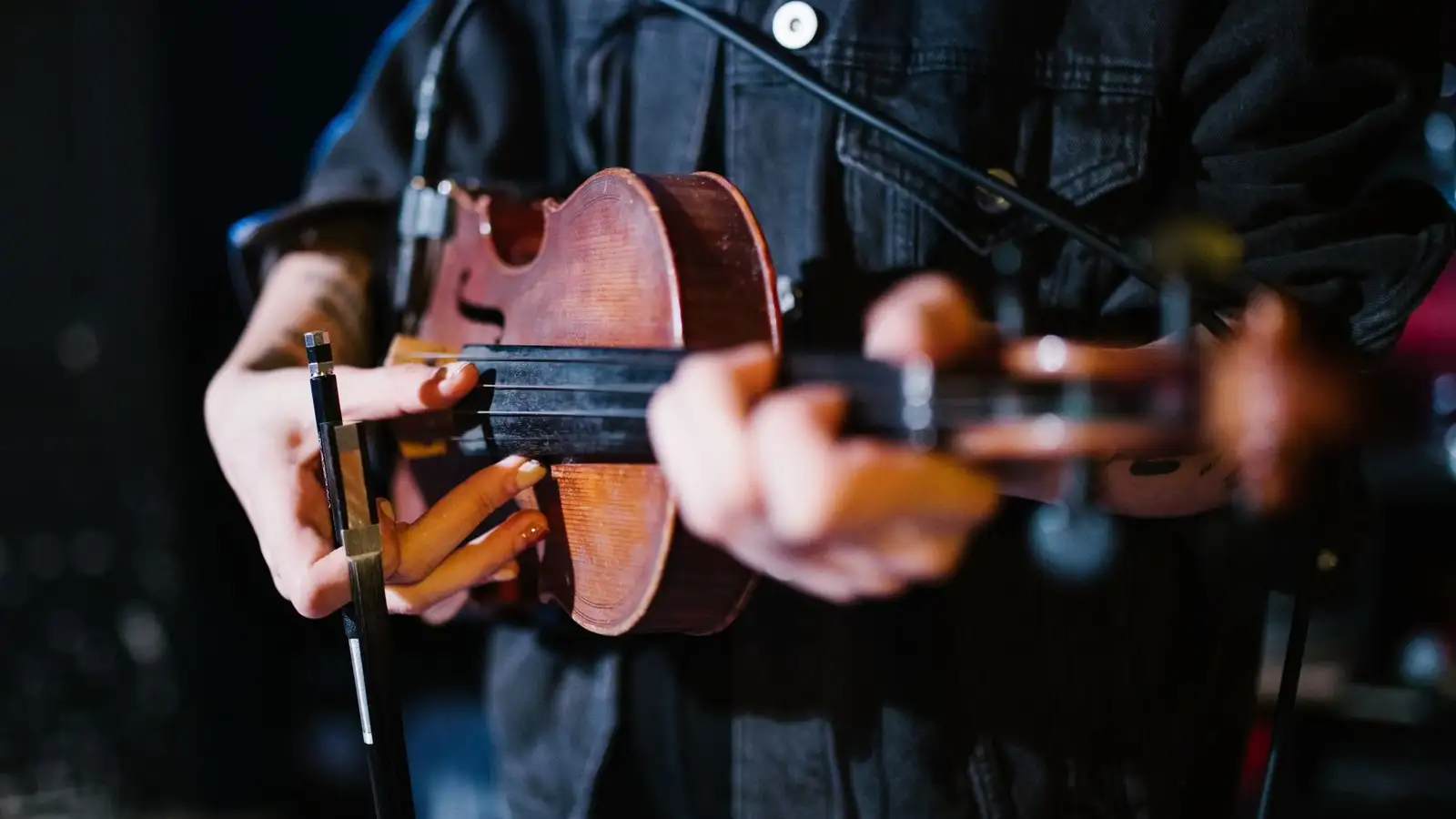
The violin is held by two contact points — chinrest and shoulder rest. Learn how they split one job, and a simple check to see if yours actually match.
A 20-second pre-practice bow hold check for parents, plus why correcting mid-song tightens a child's hand and how to stay in a support role at home.
Rosin doesn't just make the bow sticky. It creates the stick-slip cycle that trips the string into vibration hundreds of times per second. Here's how it works.
The left hand guides the violin, it doesn't carry it. Here's how the jaw and collarbone take the weight, and why thumb clamping is a frame problem.
A shoulder rest fills the gap between violin and shoulder and frees your left hand. Here's why it's a setup you tune to your body, not a one-time buy.