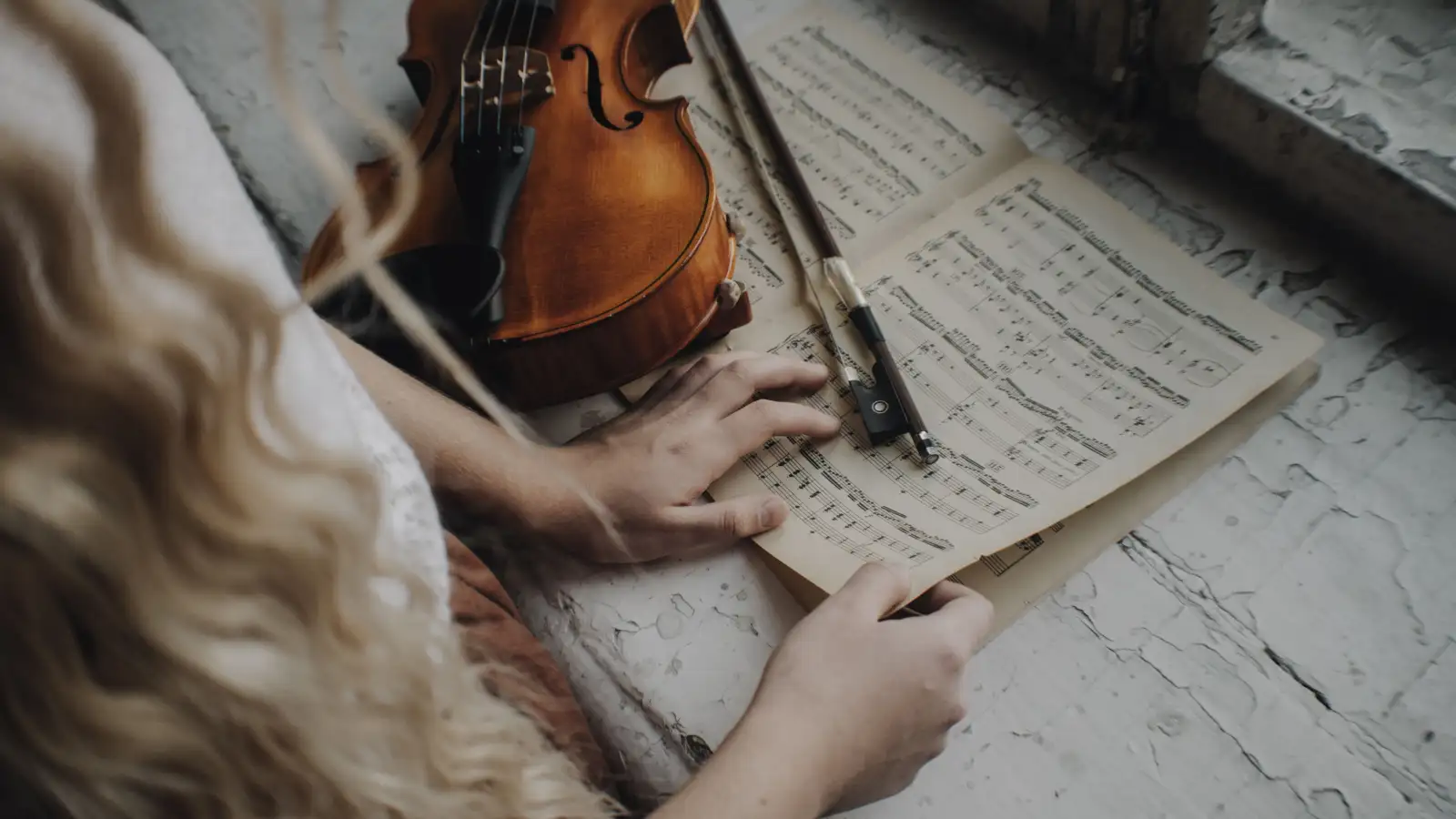
You Can Learn to Read Violin Music as an Adult Beginner
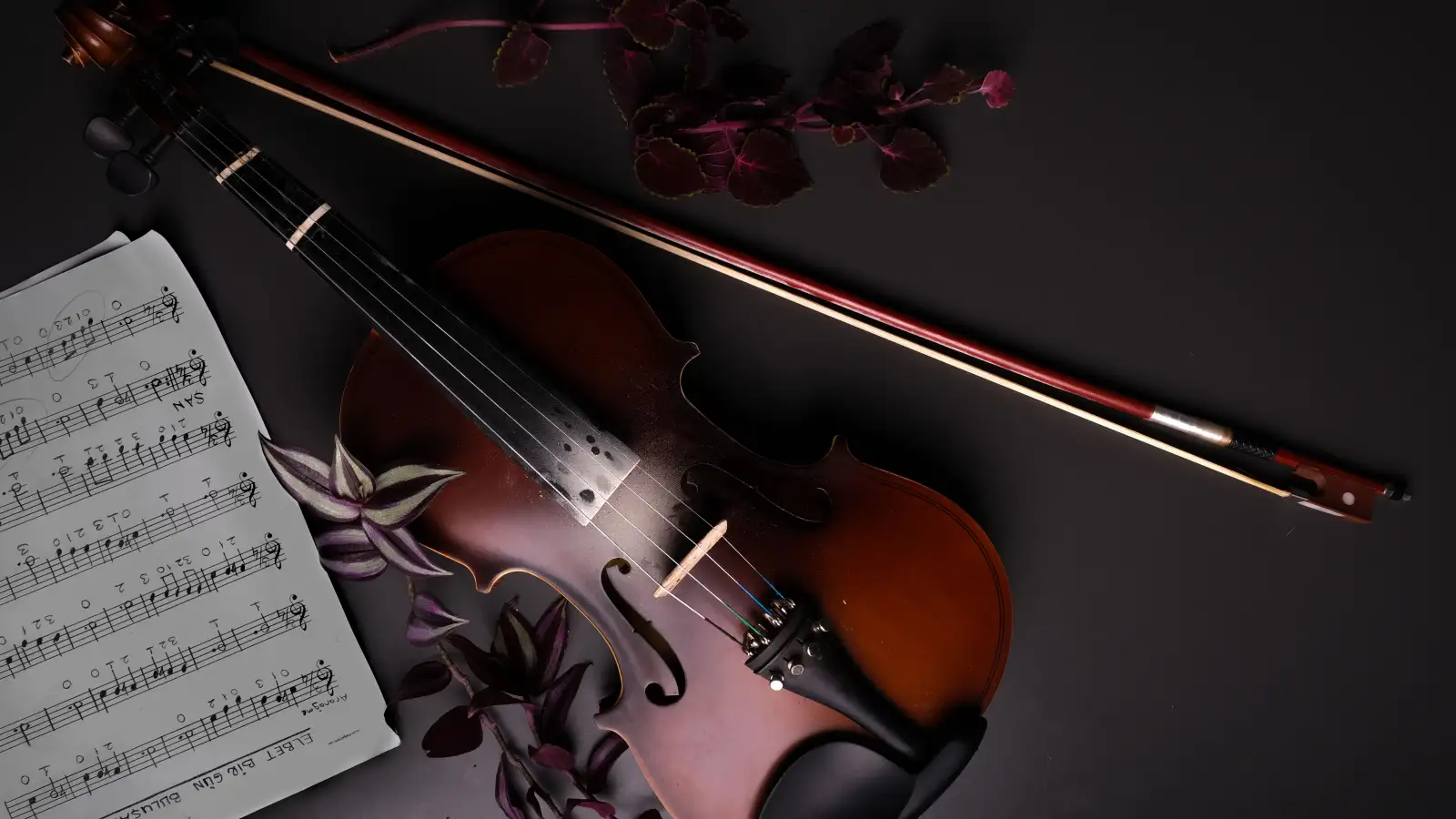
Reading violin music isn't a gate before playing. It grows alongside your hands, and beginners meet pitch, rhythm, key signatures, and bowing marks in order.
Reading violin music isn't a gate before playing. It grows alongside your hands, and beginners meet pitch, rhythm, key signatures, and bowing marks in order.
What violin strings are made of, how steel, synthetic, and gut cores behave, and the daily care and replacement habits every adult beginner needs.
Treat rosin as a system: what it is, how friction makes sound, choosing by feel over label, applying it correctly, and cleaning up so the bow behaves.
Wipe the chin rest, shoulder rest feet, and case lining instead of leaving them untouched. Here is the contact-point routine that actually matters.
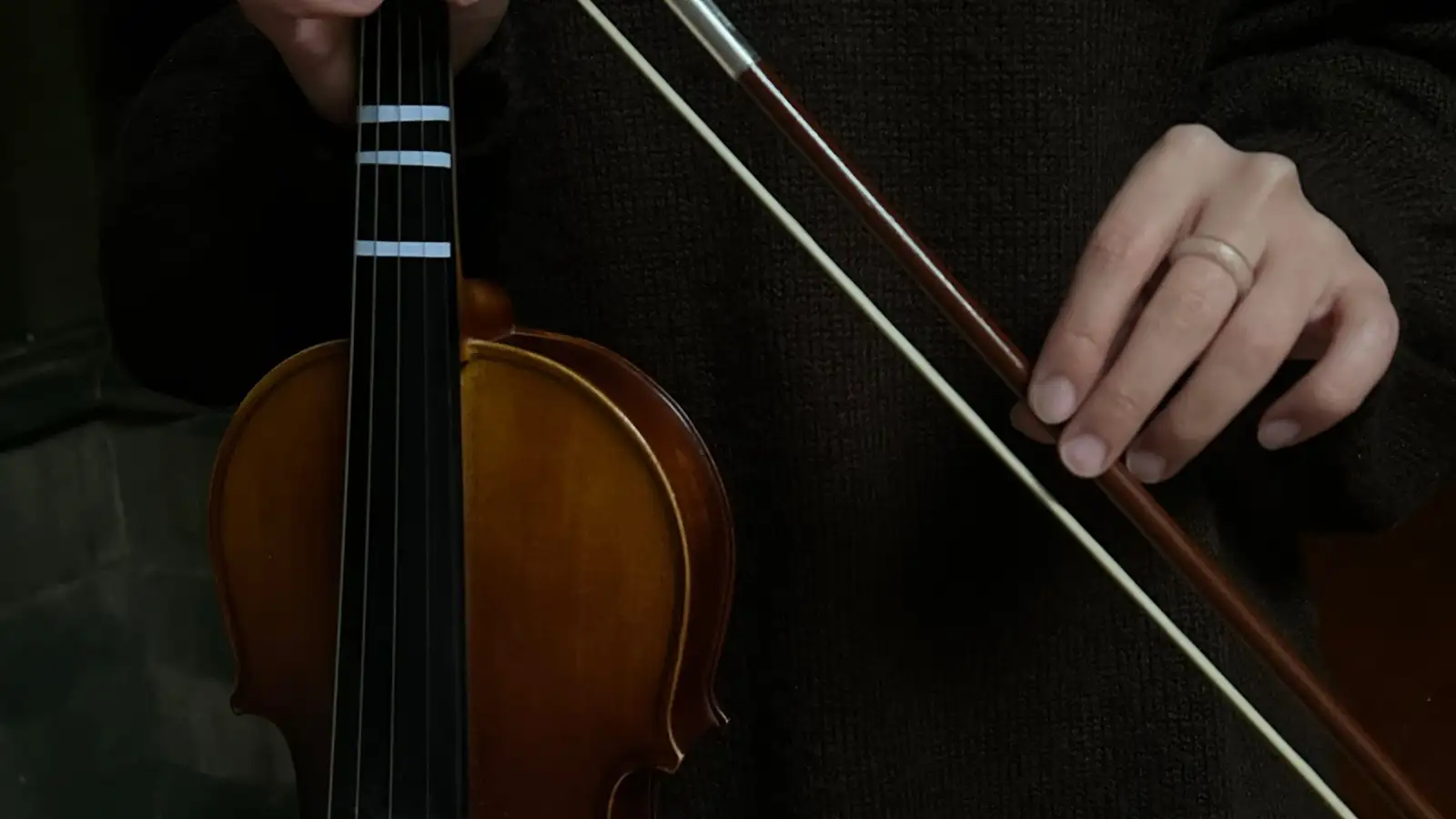
A bow that drifts or bounces breaks your tone. Here's why the fix starts in a flexible bow hold and a parallel bow path, before any pressure or speed changes.
Note values and rests in beginner violin music, counted in beats: what each symbol means, how long to hold it, and how to time the silence before your next bow.
The black film on violin strings is rosin dust, skin oil, and metal wear from the windings, not dirt. Here is why it forms and why a dry cloth is enough.
A shoulder rest is a height setting, not a cushion. How a too-tall rest tilts your head and lengthens your left arm's reach, plus a one-change-at-a-time fit check.
The bow change is a rhythmic event, not just a mechanical one. Plan where each reversal happens, budget your bow distribution, and count slurs out loud.