Your Violin Bridge: Not Just a Stand, but the Tone Gate
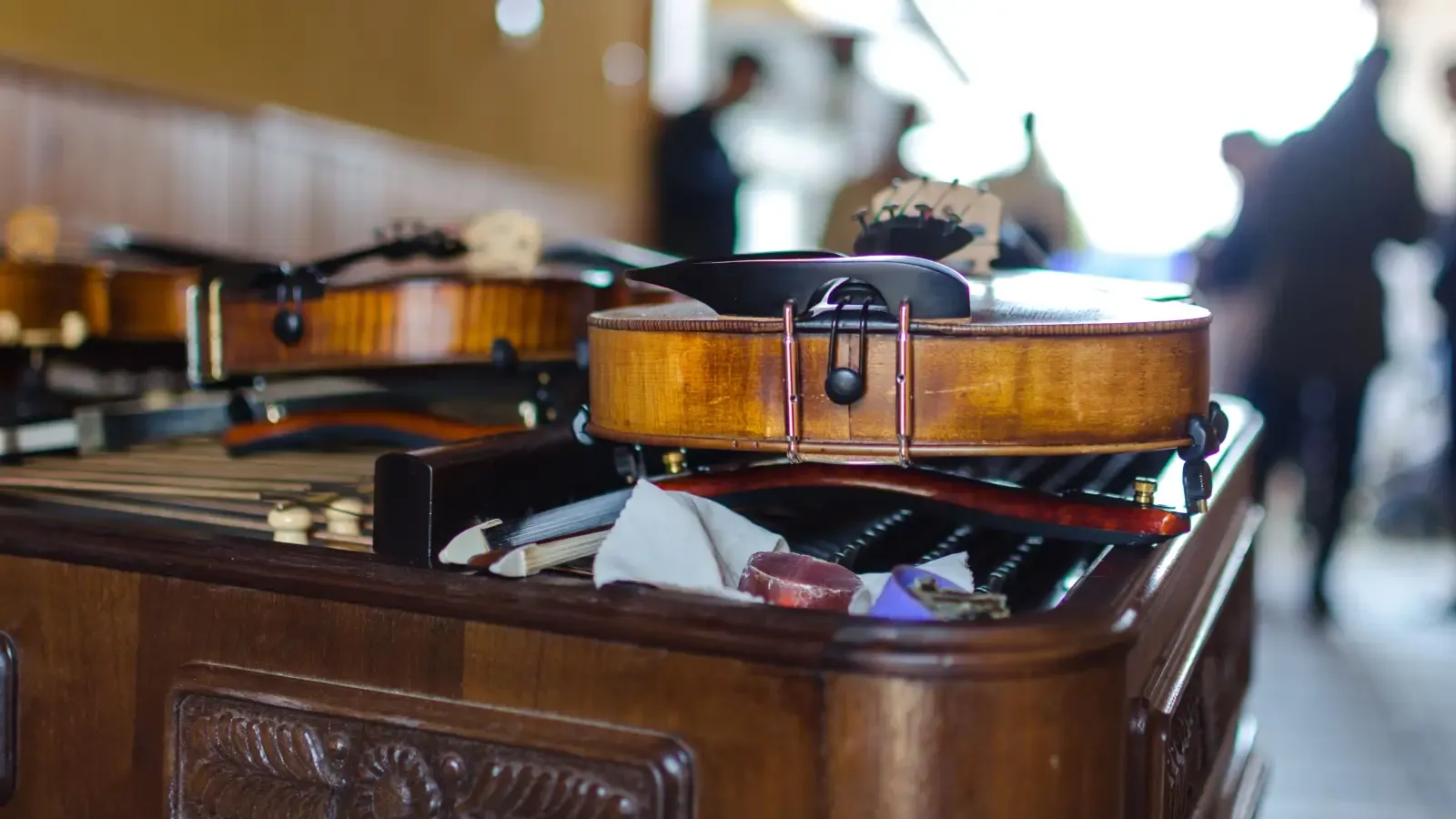
Discover how the violin bridge and soundpost work together to convert horizontal string vibration into vertical plate movement—the secret to your instrument's voice.
Discover how the violin bridge and soundpost work together to convert horizontal string vibration into vertical plate movement—the secret to your instrument's voice.
Rosin color is only a rough clue—humidity and formulation matter far more. See why the dark=strong rule fails and which rosin actually fits your climate.
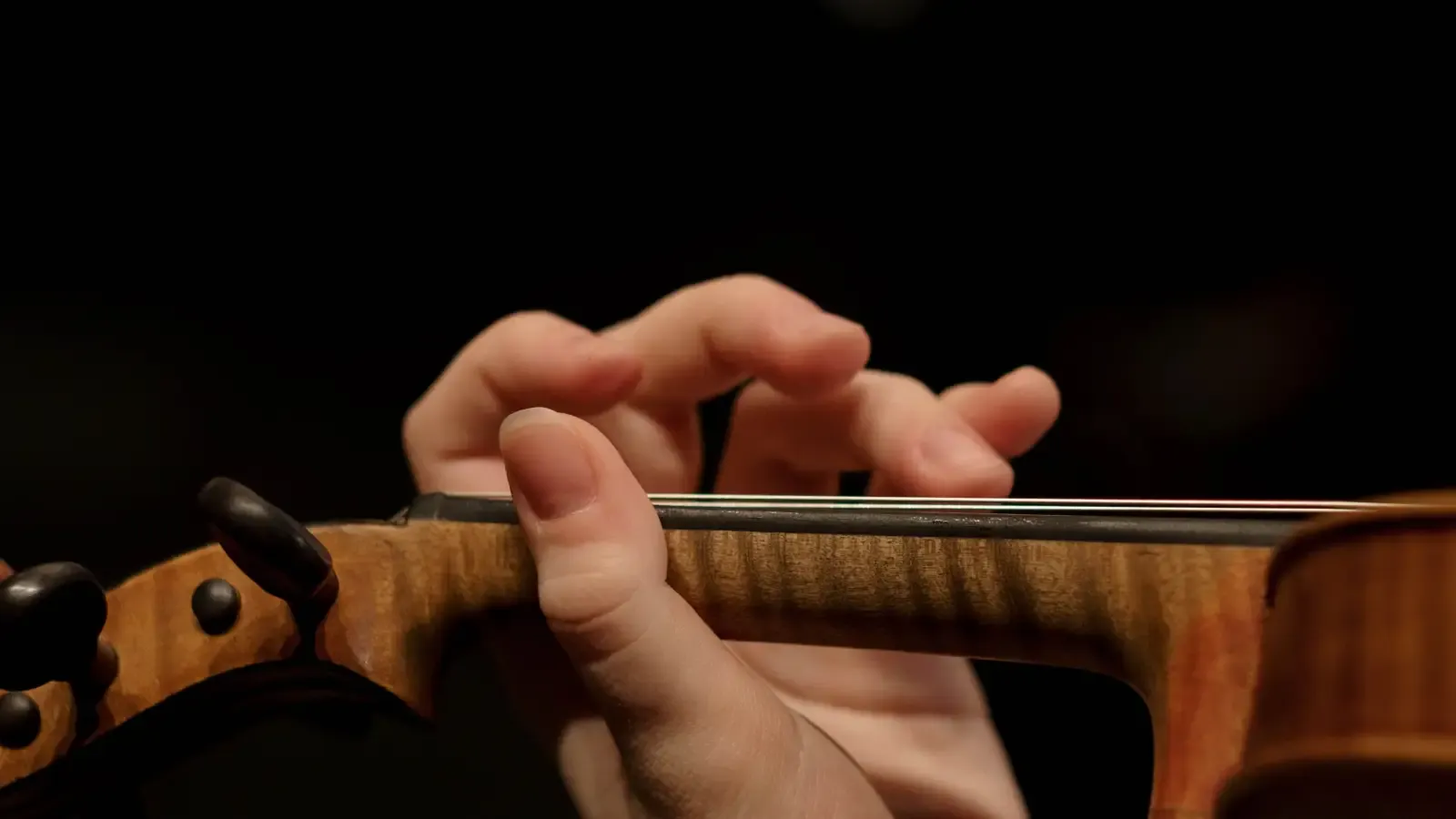
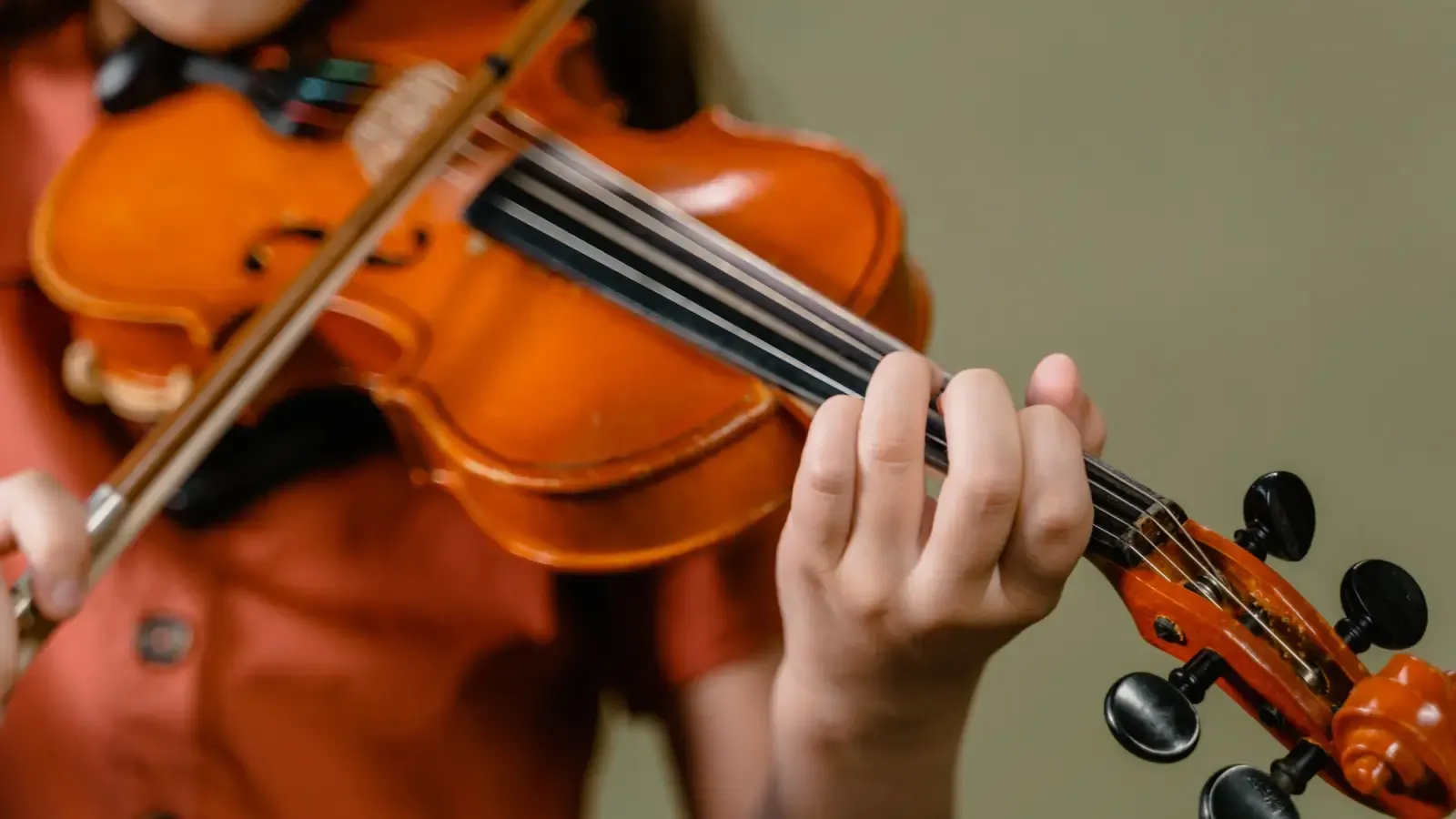
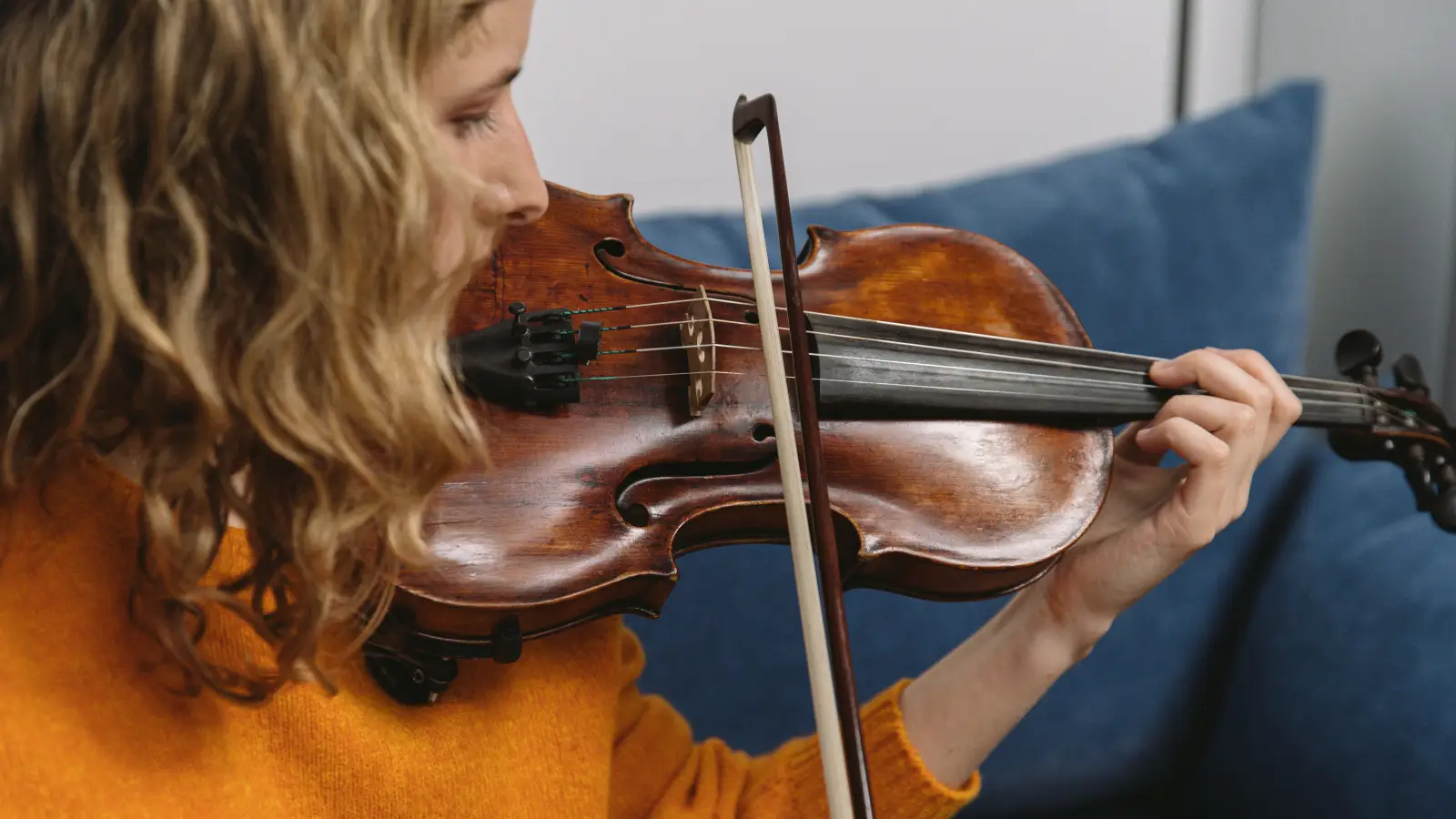
Collapsed wrist, thumb claw, flattened fingers, or misaligned elbow—find the root cause of your scratchy violin tone and apply the exact fix for each.
Stop breaking bow hairs. This beginner's guide pinpoints 5 common bow problems—breakage, bouncing, slipping, won't tighten, scratchy sound—and shows exactly how to fix each one, without any jargon.
A beginner violin costs $250–$500 to buy, but the real first-year cost is $400–$1,200 after setup and extras. Learn the 4 price tiers and what you’ll actually pay.
Uneven détaché and sloppy string crossings almost always trace back to the bow-change moment. These five open-string exercises isolate that gap so your rhythm locks in.
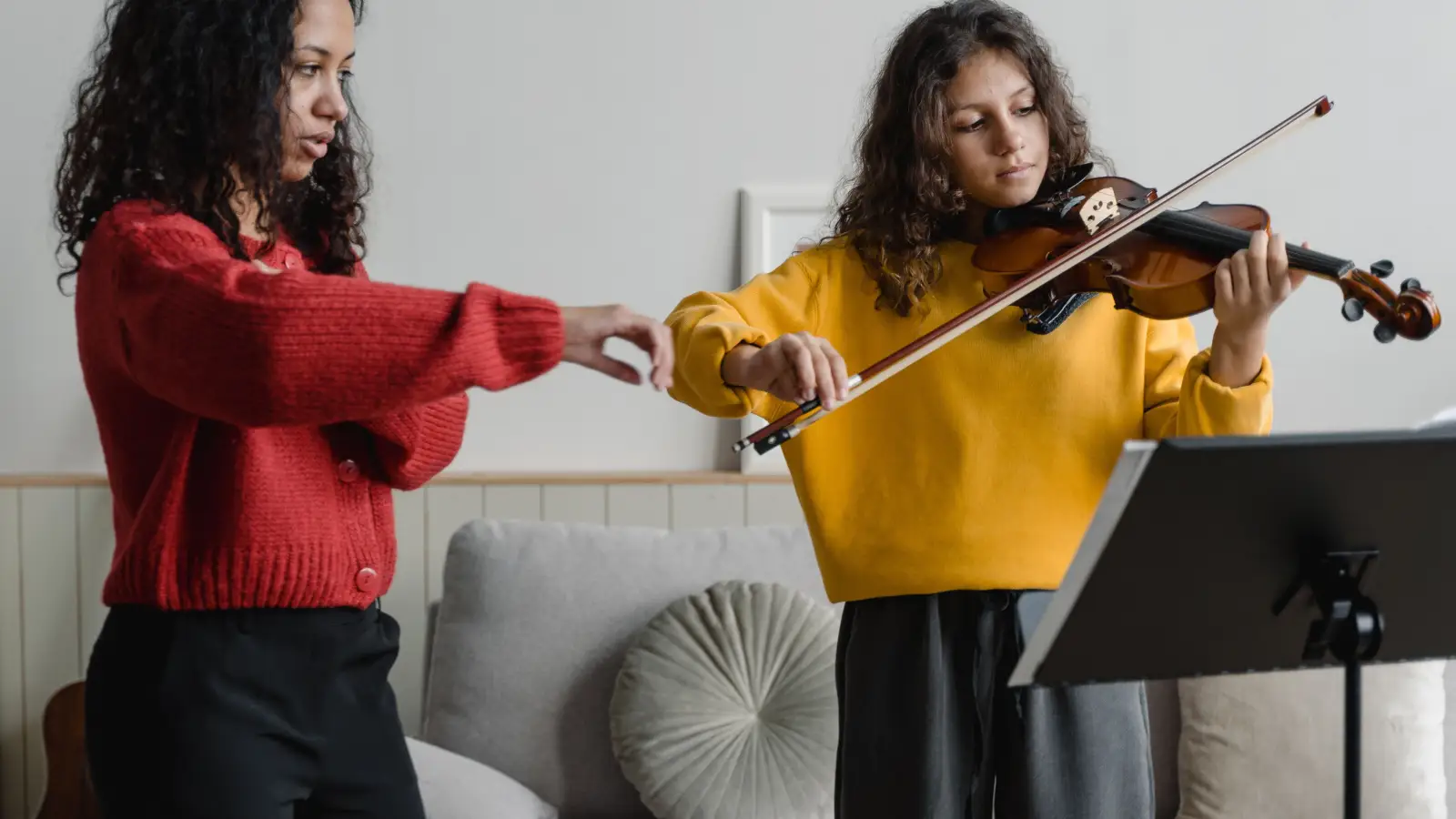
Stop bow-hand cramping with five off-the-violin exercises using household props. These drills build a relaxed, curved hold — the ones adult students credit for finally loosening up.
Bent wrist? Shoulder tension? Those aren’t beginner mistakes — they’re likely signs your violin doesn’t fit. Learn the 5 physical clues that reveal the real problem.