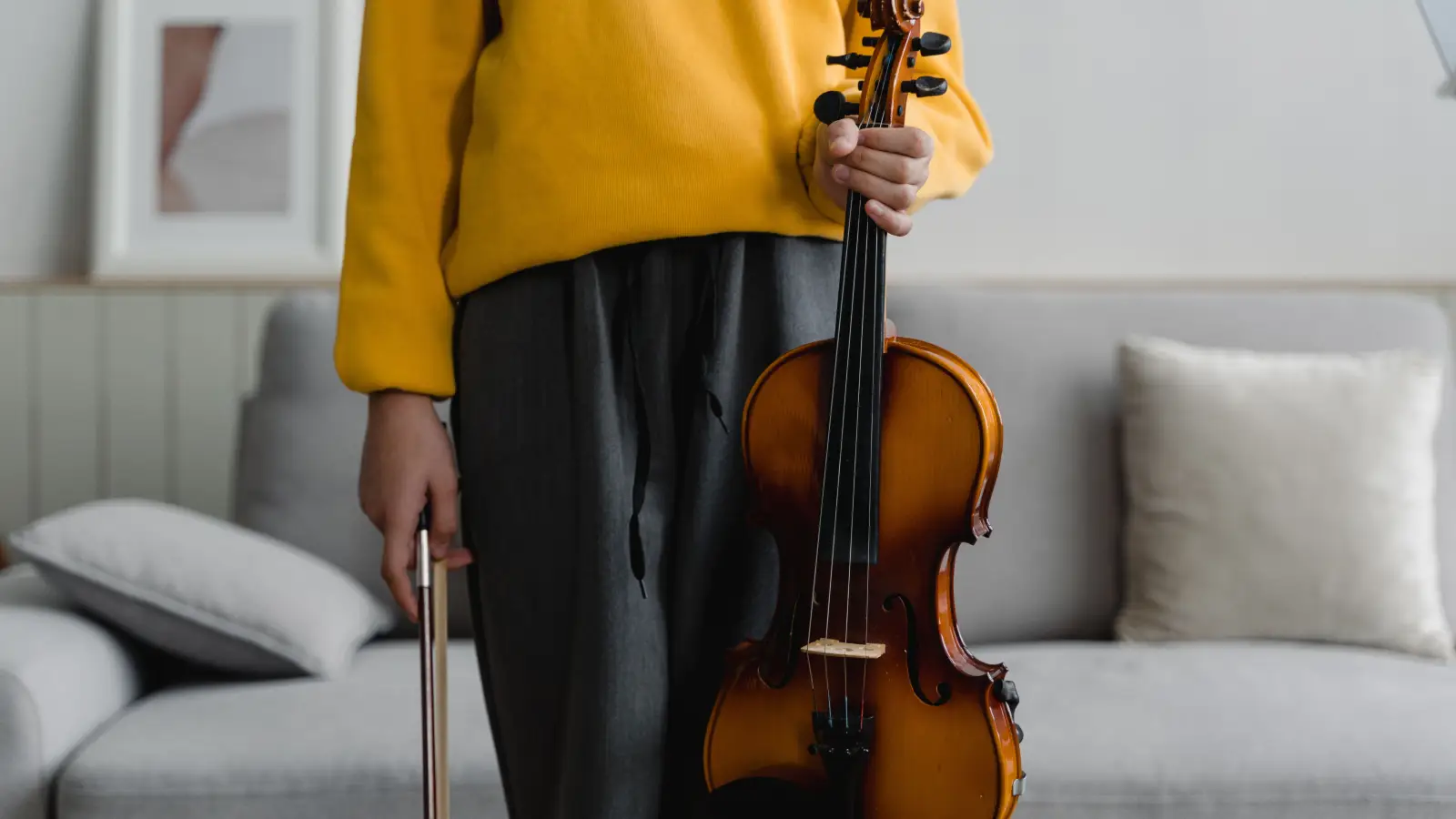
The 30-Minute Practice Plan for Your First Month of Violin
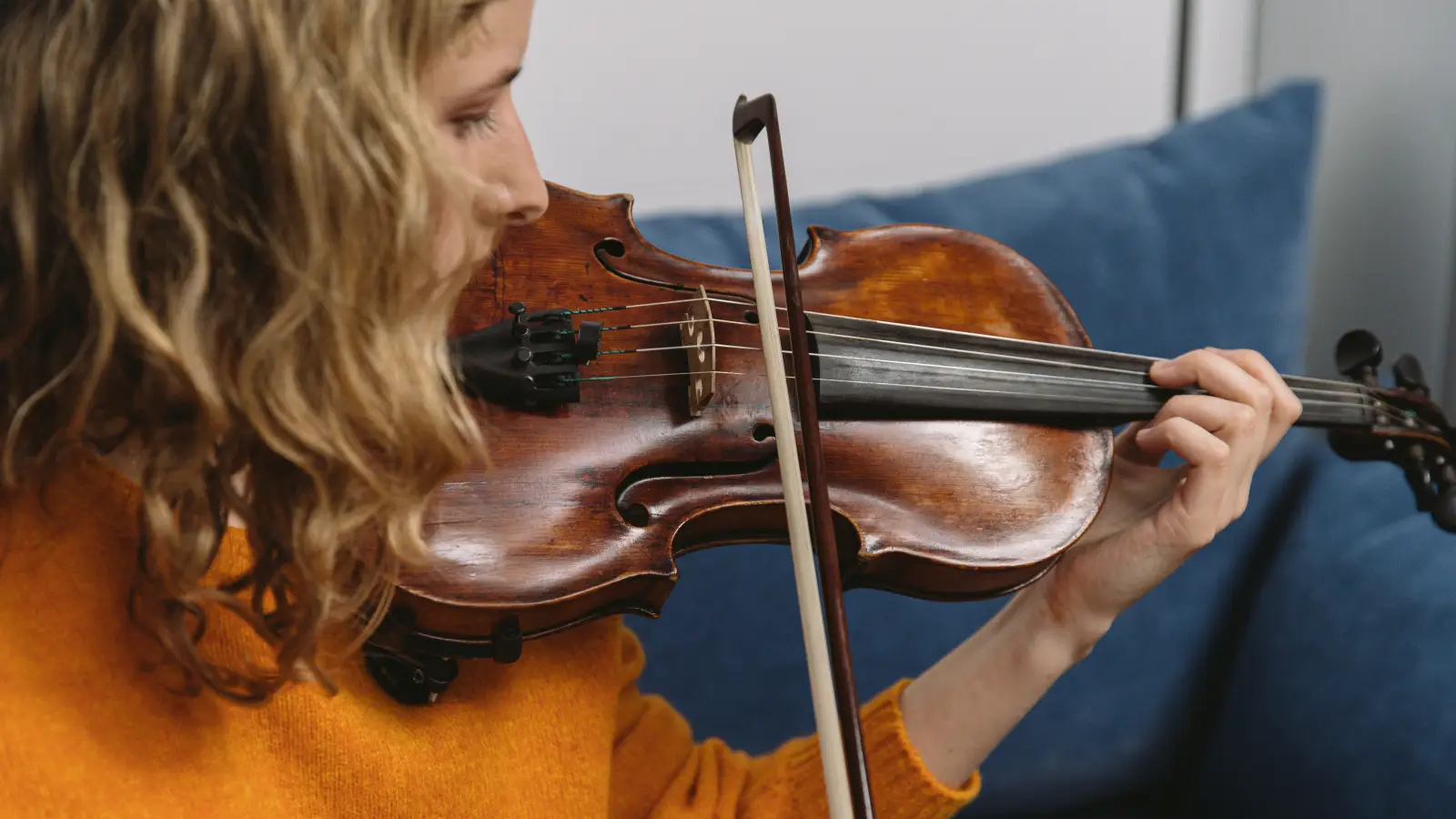
Stop aimless noodling. This minute-by-minute 30-minute violin routine for your first month uses a bridge-absorb-execute-reflect sequence with built-in rest and a reward play period.
Stop aimless noodling. This minute-by-minute 30-minute violin routine for your first month uses a bridge-absorb-execute-reflect sequence with built-in rest and a reward play period.
Diagnose exactly why your bow bounces, locks up, or your pinky slips off. Step-by-step thumb and pinky corrections, including hypermobility and stiffness adjustments.
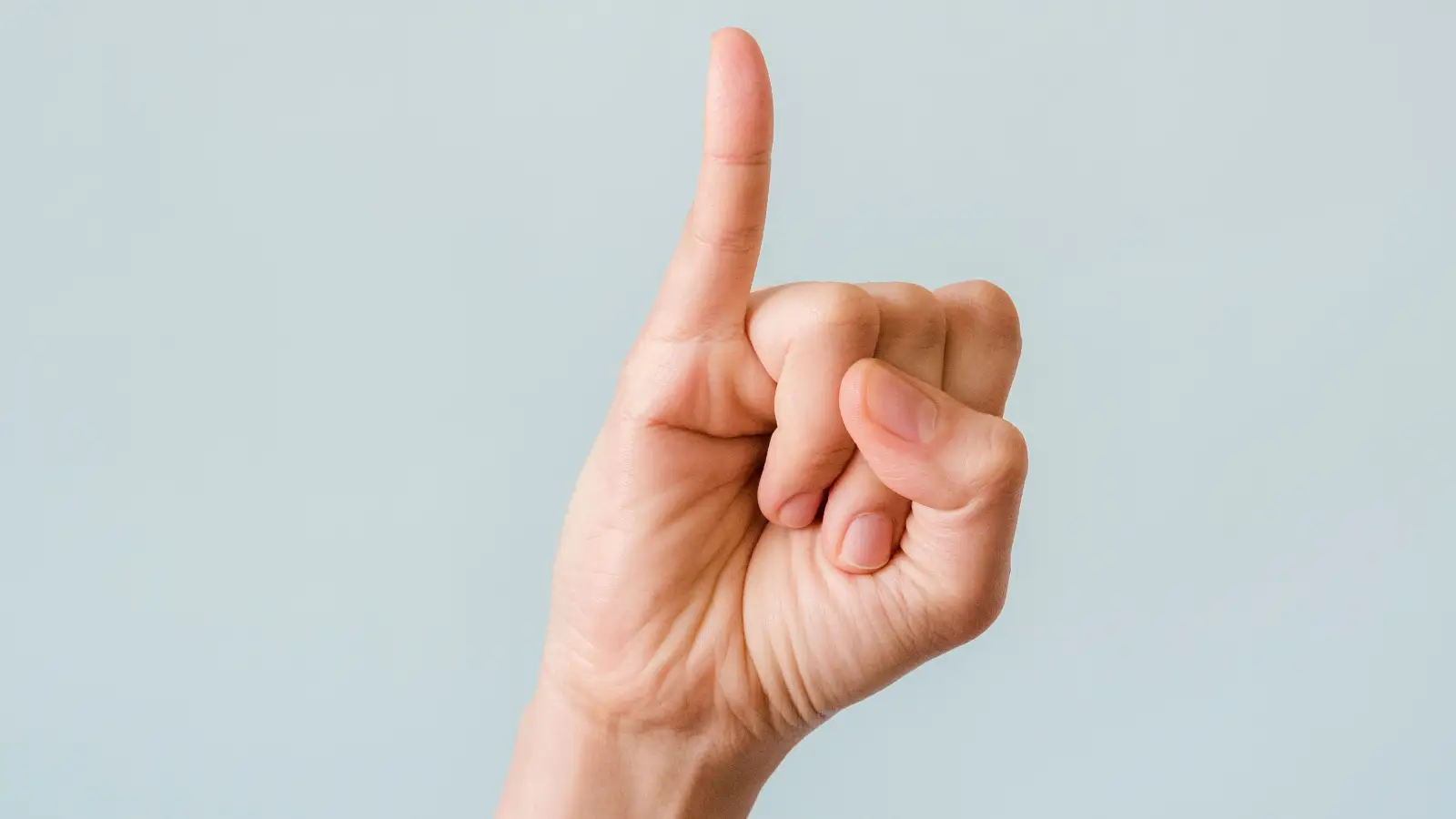
Bad finger placement sabotages your violin sound. Learn how fingertip flesh, angle, and pressure control buzz, clarity, and sustain with exercises for a 'goldilocks' touch.
Discover why your violin tone isn't just about the bow. Learn how fingertip angle, pressure, and placement act like a guitar fret to shape clear, ringing overtones.
Struggled to remember what each part of the bow does? Learn the six main parts—stick, hair, frog, screw, winding, and tip—and their simple roles for easier bow control.
Learn the three-variable balance of pressure, speed, and contact point that instantly removes scratchy tone and gives your violin a resonant, singing sound.
Understand how the bow’s stick, hair, frog, and screw work together to fix scratchy tone, bouncing, and crooked bowing. A no-nonsense mechanical guide for adult beginners and parents.
Most beginners quit within 6 months. This decision framework shows when to rent, when to buy, and when rent-to-own a violin makes the most financial sense.
Living in an apartment? An electric violin's headphone practice makes learning possible without disturbing neighbors. See which scenario fits your first violin.
Learn violin note reading one pitch at a time. This method matches each staff note to a string and finger before you play tunes. For adult beginners who want to read music from day one.